
Top Things to Know Before Visiting the Valley of Flowers
Published on November 10, 2025 | Updated on August 28, 2026
Planning a trip to the Valley of Flowers is not just about reaching one of the most beautiful Himalayan landscapes in India. A successful visit depends on understanding the destination, following park rules, preparing for mountain conditions and respecting the fragile ecosystem.
Located in Uttarakhand’s Chamoli district, Valley of Flowers National Park is famous for its colourful alpine meadows, rare Himalayan flowers and breathtaking mountain scenery. It is also part of the UNESCO World Heritage Site of Nanda Devi and Valley of Flowers National Parks, recognised for its outstanding biodiversity and natural importance.
Before starting your journey, there are several practical things every traveller should know. From entry rules and trekking expectations to accommodation, safety and responsible travel, this guide covers the important details that can make your Valley of Flowers experience smoother.
1. Valley of Flowers Is a Seasonal Destination
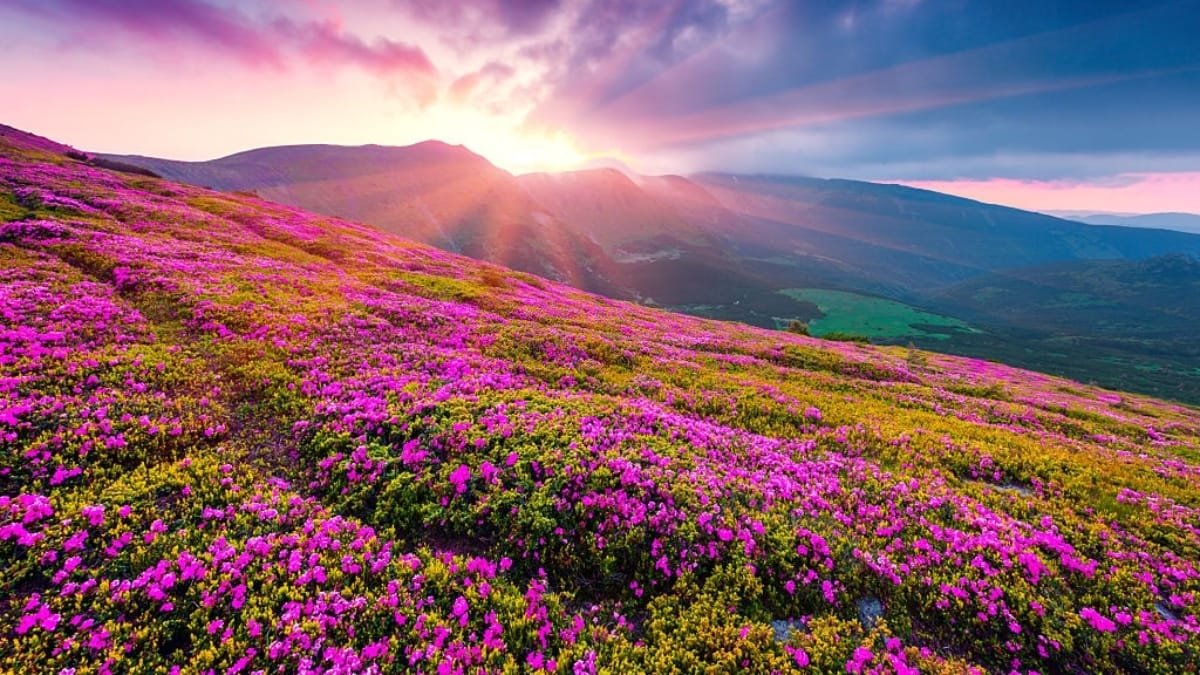
The first thing to understand is that the Valley of Flowers is not open year-round.
Because of its high Himalayan location and winter snowfall, access is available only during a limited trekking season. The landscape changes throughout the season, with different flowers blooming at different times.
Many travellers plan their visit during the peak flowering months, but the best experience depends on factors such as weather conditions, trail accessibility and personal preference.
For a detailed month-wise breakdown, read our guide on the best time to visit Valley of Flowers.
2. You Cannot Stay Overnight Inside Valley of Flowers National Park
One of the most important rules visitors should know is that overnight camping inside Valley of Flowers National Park is not allowed.
Trekkers usually stay at Ghangaria, which works as the base village for visiting the Valley. Visitors enter the national park during the day and return to Ghangaria before evening.
This rule helps protect the fragile alpine ecosystem from excessive human impact.
If you want complete planning information including stay options and route details, check our Valley of Flowers travel guide and itinerary.
3. Valley of Flowers Is a Trek, Not a Regular Tourist Spot
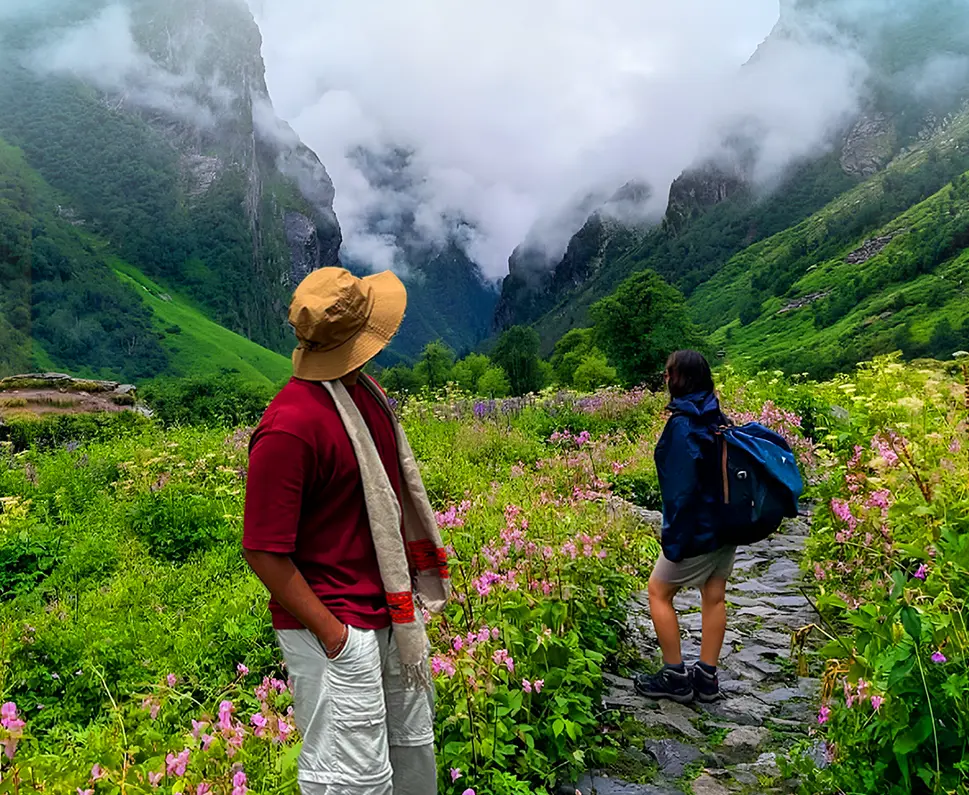
Although the Valley looks like a peaceful meadow destination in photographs, reaching it requires trekking.
The journey involves walking through mountain trails, uneven paths, bridges, elevation changes and changing weather conditions.
You do not need technical climbing skills, but you should be prepared for long walking hours.
Visitors often underestimate the physical effort because the destination is famous for flowers rather than trekking.
For first-time Himalayan trekkers, our detailed Valley of Flowers trek for beginners guide explains preparation and expectations.
4. Proper Planning Is More Important Than Speed
Mountain travel is different from city travel. Roads, weather, and trail conditions can influence your schedule.
Avoid making extremely tight plans. Keep buffer time in your itinerary because delays due to rain, road conditions or local situations are common in Himalayan regions.
A relaxed journey allows you to enjoy the landscape instead of constantly worrying about reaching the next destination.
5. Understand the Route Before You Travel
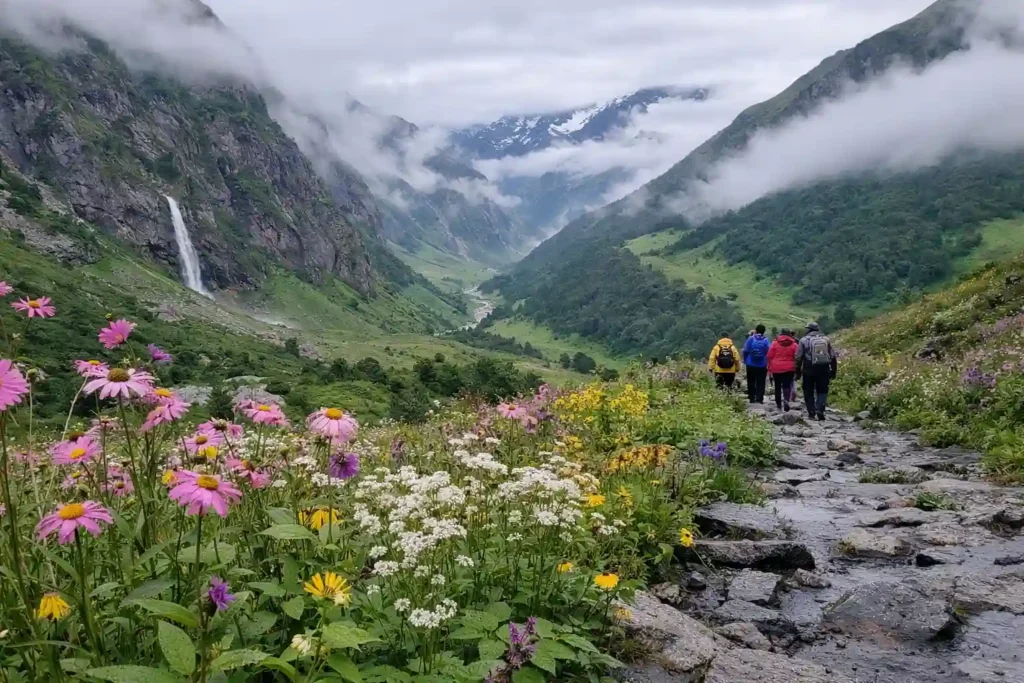
The traditional route starts from Govindghat, from where travellers move towards Ghangaria. Ghangaria becomes the base point for visiting the Valley of Flowers.
The trek requires a combination of road travel and walking sections, so understanding the complete route before departure helps avoid confusion.
For complete transport details from major cities, read our guide on how to reach Valley of Flowers.
6. Altitude Can Affect Your Body
Even travellers who are physically active at home may feel tired in the Himalayas.
The Valley region is located at a high altitude, and thinner air can affect your walking pace and energy levels.
Common mistakes travellers make include:
- Walking too fast in the beginning.
- Not drinking enough water.
- Ignoring signs of exhaustion.
- Trying to complete the trek without proper rest.
Give your body time to adjust and maintain a comfortable pace.
For detailed information about elevation and height, read our Valley of Flowers altitude and elevation guide.
7. Weather Conditions Can Change Quickly

Mountain weather is unpredictable.
A sunny morning can turn into rain within a short time, especially during the monsoon trekking season. Wet trails, slippery stones and muddy sections are common challenges.
Always carry basic rain protection and avoid assuming that clear weather will continue throughout the day.
For temperature patterns and seasonal conditions, explore our detailed Valley of Flowers weather and climate guide.
8. Carry the Right Essentials
Packing smart is one of the most important parts of preparing for this journey.
Avoid carrying unnecessary weight, but do not skip essential items.
Important things include:
- Comfortable trekking shoes with good grip.
- Rain protection.
- Warm clothing layers.
- Personal medicines.
- Water bottle.
- Basic first-aid items.
- Identification documents.
- Waterproof protection for electronics.
Your footwear matters more than expensive equipment. A comfortable pair of broken-in trekking shoes can significantly improve your experience.
For a complete packing checklist, visit our Valley of Flowers trekking and adventure guide.
9. Do Not Pluck Flowers or Damage the Environment
Valley of Flowers is protected because of its unique Himalayan biodiversity.
The flowers growing here are not souvenirs. Removing plants, disturbing wildlife or leaving waste damages the ecosystem that makes this place special.
Responsible visitors should:
- Stay on marked trails.
- Avoid littering.
- Carry back plastic waste.
- Respect local rules.
- Avoid disturbing plants and animals.
The beauty of Valley of Flowers exists because generations of visitors have protected it.
10. Mobile Network and Connectivity May Be Limited

Do not depend completely on internet connectivity during the journey.
Mountain regions can have limited network coverage, especially during trekking sections.
Before leaving:
- Save important phone numbers.
- Keep booking confirmations offline.
- Inform family members about your travel plan.
- Carry some cash for remote areas.
Preparing offline is always better during Himalayan travel.
11. Accommodation Is Limited Near the Trek Route
Ghangaria has hotels, guesthouses and basic accommodation options, but facilities are different from regular tourist destinations.
During the peak season, accommodation availability can become limited.
Advance planning is recommended, especially if travelling during busy months.
Travellers should keep expectations realistic because mountain villages operate with limited resources.
12. Hemkund Sahib Requires Additional Preparation

Many visitors combine Valley of Flowers with Hemkund Sahib because both routes begin from the same base region.
However, Hemkund Sahib is a separate and more demanding climb. Adding it requires extra stamina and time.
Do not include every attraction in your plan without considering your fitness and recovery.
Learn more through our Valley of Flowers with Hemkund Sahib travel guide.
13. Respect Local Culture and Communities
The villages around Valley of Flowers are home to local communities who support tourism through accommodation, transport and other services.
Respect local traditions, communicate politely and support responsible tourism.
Small actions such as choosing local services and avoiding unnecessary waste help protect the destination.
14. Common Mistakes Visitors Should Avoid
Visiting Without Checking Current Conditions
Always check recent local updates before travelling.
Carrying Too Much Luggage
Heavy bags make mountain walking more difficult.
Ignoring Rain Protection
Weather changes quickly, and preparation prevents discomfort.
Expecting Luxury Facilities
Remote Himalayan destinations have practical limitations.
Rushing the Experience
The Valley is meant to be enjoyed slowly. Take time to observe the landscape.
15. Is Valley of Flowers Worth Visiting?

For travellers who love nature, mountains and peaceful landscapes, Valley of Flowers offers a unique Himalayan experience.
The journey requires effort, but the reward is a rare combination of colourful meadows, mountain views, fresh air and incredible biodiversity.
The key is preparation. Understanding the rules, respecting nature and travelling responsibly will help you enjoy this beautiful national park without unnecessary difficulties.
Frequently Asked Questions About Valley of Flowers Visit
1. Do I need permission to visit Valley of Flowers?
Visitors need to follow the entry rules of Valley of Flowers National Park. Always check the latest local guidelines before travelling.
2. Can children visit Valley of Flowers?
Children who are comfortable with long walking days and mountain conditions may visit, but parents should consider fitness, altitude and weather factors.
3. Can senior citizens visit Valley of Flowers?
It depends on individual health, fitness and medical advice. The trek requires walking endurance and preparation.
4. How many days are enough for Valley of Flowers?
Most travellers need multiple days because the journey includes road travel, reaching Ghangaria and visiting the Valley.
5. Is Valley of Flowers safe?
With proper preparation, responsible trekking practices, and awareness of weather conditions, the Himalayan region can be a safe destination.
6. What should I avoid carrying to Valley of Flowers?
Avoid unnecessary heavy luggage, disposable plastic items and anything that increases environmental impact.
Final Thoughts
Valley of Flowers is not just a destination; it is a protected Himalayan ecosystem that requires responsible travel.
Knowing the rules, preparing properly and respecting nature can transform your trip from a simple visit into a memorable mountain experience.
Plan wisely, travel responsibly and allow yourself enough time to truly appreciate one of India’s most extraordinary natural wonders.


