Wat Arun Bangkok
Published on February 12, 2025
Wat Arun: The Iconic Temple of Dawn on the Chao Phraya River
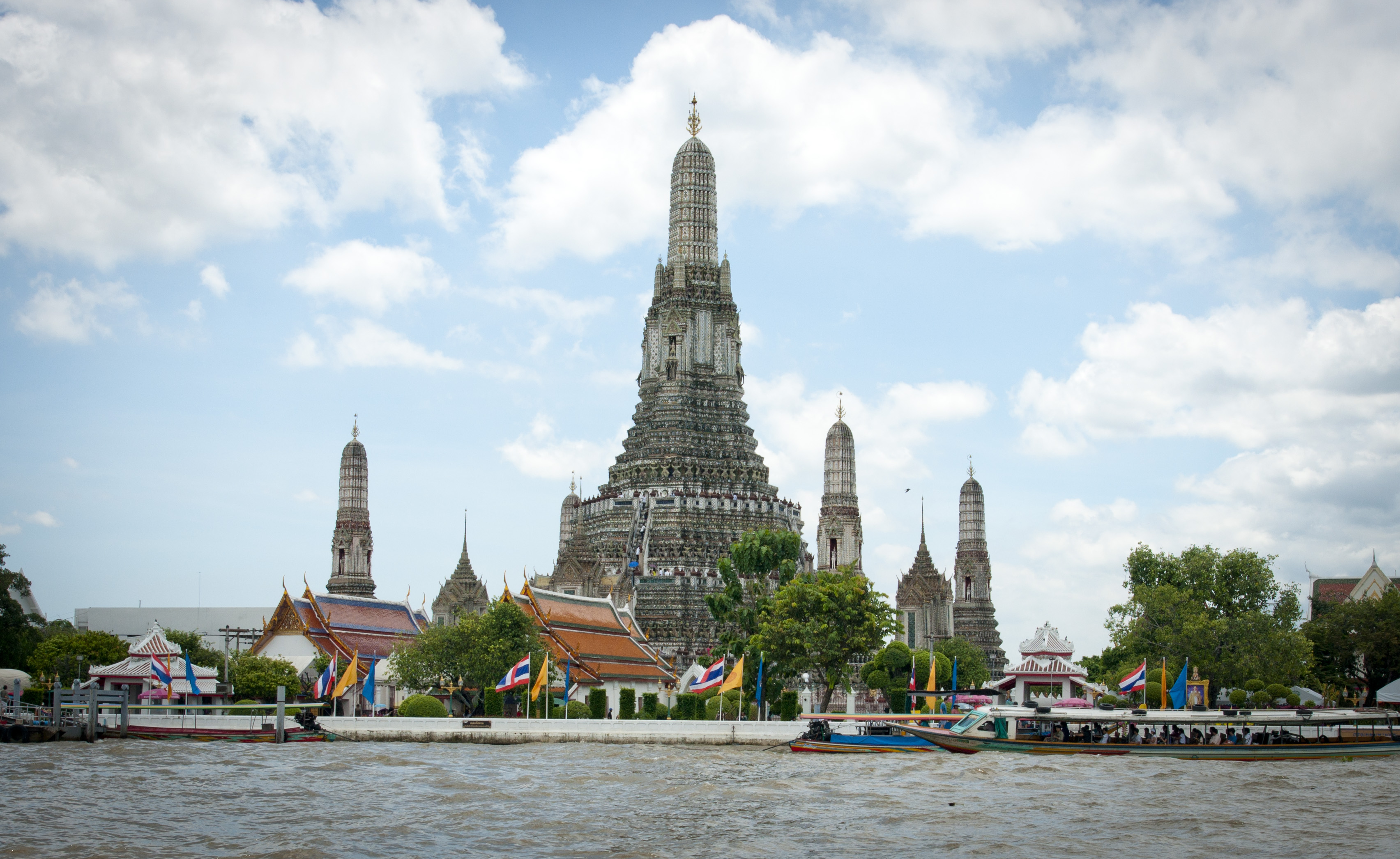
Wat Arun, commonly known as the Temple of Dawn, stands as one of Bangkok's most iconic landmarks and a testament to Thailand's rich cultural heritage. Located on the western bank of the Chao Phraya River in the Thonburi district, this majestic temple has captivated visitors for centuries with its striking architecture and spiritual significance. As a central feature of Bangkok Pattaya packages and thailand tour packages, Wat Arun offers travelers an unparalleled opportunity to experience the intersection of history, religion, and artistry that defines Thai culture.
The temple's origins trace back to the Ayutthaya period, though its current grandeur emerged during the early Rattanakosin era under King Taksin's reign. Originally named Wat Makok, meaning "olive temple," it was later renamed Wat Arun Rajtharam by King Rama II, who initiated extensive renovations that transformed it into the architectural masterpiece we see today. The name "Temple of Dawn" stems from the breathtaking sight of its spires illuminated by the rising sun, creating a golden spectacle that has inspired countless artists and photographers throughout history.
Wat Arun's strategic location along the Chao Phraya River makes it easily accessible for visitors exploring Bangkok's historical sites. Tourists arriving via river taxis or traditional long-tail boats are greeted by the temple's imposing silhouette, which dominates the riverscape and serves as a welcoming beacon to those approaching from the water. This prominent position has made Wat Arun an essential stop in many Bangkok tour packages, offering visitors not only a glimpse into Thailand's spiritual traditions but also panoramic views of the city's skyline from its upper terraces.
Beyond its aesthetic appeal, Wat Arun holds deep religious significance as a place of worship dedicated to the Hindu god Aruna, often associated with the rising sun. The temple complex encompasses various structures that reflect both Buddhist and Hindu influences, showcasing Thailand's historical embrace of diverse cultural elements. Its intricate design and symbolic architecture make Wat Arun a living museum of Thai craftsmanship, where every detail tells a story of the nation's artistic evolution and spiritual devotion.
Architectural Marvels of Wat Arun: A Symphony of Design and Symbolism
The architectural splendor of Wat Arun is defined by its central prang, a towering spire that rises majestically 82 meters above the Chao Phraya River. This magnificent structure, representing Mount Meru—the center of the universe in Buddhist cosmology—is adorned with millions of tiny porcelain pieces and seashells that create a mesmerizing mosaic effect. The prang's four smaller satellite towers, positioned at each corner of the complex, echo the central spire's design while maintaining their own distinct character, symbolizing the four elements: earth, water, wind, and fire.
The intricate ornamentation covering every surface of Wat Arun's structures showcases the pinnacle of Thai craftsmanship. Each level of the prang features elaborate depictions of mythical creatures, celestial beings, and floral patterns meticulously crafted from colorful ceramic tiles and glass fragments. These decorative elements were originally sourced from Chinese trading ships' ballast, creating a unique fusion of Eastern and Western artistic influences. The painstaking attention to detail extends to the temple's guardian figures, including the fearsome yaksha statues standing sentinel at the base of the central tower, their muscular forms and fierce expressions serving as protectors against evil spirits.
The temple's layout follows traditional Khmer architectural principles, evident in its steep staircases and tiered design. Visitors ascending the 344 steps to the top terrace encounter increasingly elaborate levels of decoration, each representing different realms of existence according to Buddhist philosophy. The lowest levels feature bas-reliefs depicting scenes from the Ramakien, Thailand's national epic, while higher tiers showcase more abstract spiritual motifs. This vertical progression symbolizes the journey toward enlightenment, with each step upward bringing worshippers closer to divine understanding.
Inside the ordination hall (ubosot), exquisite murals adorn the walls, illustrating important moments from Buddha's life and various Jataka tales. The hall's interior houses a revered Emerald Buddha replica, crafted from green stone and dressed in seasonal costumes, similar to its counterpart at the Grand Palace. The ubosot's roof features multiple tiers of overlapping tiles, creating a distinctive silhouette that complements the central prang's verticality while providing practical protection from tropical rains. Supporting structures within the complex, including the viharn (assembly hall) and mondop (library), display equally impressive craftsmanship, with their gilded chofahs (roof finials) reaching skyward like birds in flight.
The integration of natural light plays a crucial role in Wat Arun's architectural drama. During sunrise, the temple's white and colored porcelain tiles catch the morning rays, transforming the entire structure into a shimmering vision that seems to float above the river. At sunset, the prang casts long shadows across the temple grounds, creating dynamic patterns that change with the day's waning light. This interplay of light and shadow enhances the temple's spiritual atmosphere, reinforcing its reputation as a place where heaven and earth converge in architectural harmony.
Spiritual Significance of Wat Arun: A Sacred Space of Devotion and Enlightenment
Wat Arun holds profound religious importance as a sacred space where devotees connect with both Buddhist and Hindu spiritual traditions. The temple's primary dedication to Aruna, the Hindu god of dawn, reflects Thailand's historical synthesis of religious beliefs, where elements from different faiths coexist harmoniously. This spiritual duality is particularly evident during daily rituals, as monks perform morning chants precisely at sunrise, aligning their prayers with the first light illuminating the temple's prang. These daily ceremonies, open to visitors, offer a rare glimpse into authentic monastic practices and provide an opportunity for personal reflection amidst the temple's sacred atmosphere.
The temple's role in significant Buddhist festivals further underscores its religious importance. During Loy Krathong, thousands of floating offerings illuminate the Chao Phraya River, creating a magical scene where Wat Arun's reflection dances upon the water's surface. Similarly, during Songkran, the Thai New Year, the temple becomes a focal point for merit-making activities, with devotees pouring scented water over Buddha images and receiving blessings from resident monks. These celebrations, often included in Bangkok tour packages, allow visitors to witness firsthand how ancient traditions continue to thrive in modern times.
For local worshippers, Wat Arun serves as more than just a tourist attraction; it functions as a vital community center where spiritual guidance and social support intersect. Regular meditation sessions, Dhamma talks, and religious education classes attract practitioners from across Bangkok, fostering a sense of spiritual community that transcends socioeconomic boundaries. The temple's resident monks actively engage with visitors, offering insights into Buddhist philosophy and demonstrating how traditional teachings remain relevant in contemporary society. This accessibility has made Wat Arun an important site for both formal religious practice and informal spiritual exploration.
The temple's architectural symbolism extends beyond mere aesthetics, serving as a physical representation of spiritual concepts. The central prang's ascent represents the journey toward enlightenment, with each level requiring increased effort and devotion to reach. This metaphorical climb mirrors the Buddhist path of gradual awakening, encouraging worshippers to persevere through challenges in their spiritual practice. The placement of Buddha images at various points throughout the complex creates multiple focal points for meditation and prayer, allowing visitors to find personal spaces for contemplation regardless of their position within the temple grounds.
Modern adaptations have enhanced Wat Arun's role as a spiritual sanctuary without compromising its traditional essence. The temple now hosts special events such as full moon meditation gatherings and interfaith dialogues, attracting diverse participants seeking spiritual growth. These contemporary additions complement rather than replace traditional practices, ensuring that Wat Arun remains a vibrant center of religious activity that bridges past and present. For international visitors exploring thailand tour packages, the temple offers a unique opportunity to engage with living spirituality, witnessing how ancient traditions continue to evolve while maintaining their core values and significance.
Visitor Experience at Wat Arun: Practical Information and Tips
Planning your visit to Wat Arun requires careful consideration of timing and logistics to ensure a memorable and comfortable experience. The temple opens daily from 7:30 AM to 5:30 PM, with entrance fees set at 50 THB for adults and 30 THB for children. While these hours accommodate most travelers' schedules, early morning visits between 7:30 AM and 9:00 AM offer optimal conditions for photography and exploration before the crowds arrive. Evening visits, particularly around sunset, provide spectacular photo opportunities but can be crowded with tourists and locals alike.
Reaching Wat Arun proves convenient through various transportation options, making it an accessible highlight of any Bangkok Pattaya package. The most picturesque approach involves taking a cross-river ferry from Tha Tien Pier near the Grand Palace, with fares costing approximately 4 THB per person. Alternatively, metered taxis from central Bangkok typically cost between 100-150 THB, depending on traffic conditions. For those preferring public transport, the Chao Phraya Express Boat stops at N8 Tha Tien Pier, while local buses numbered 19, 57, and 83 terminate nearby.
Dress code regulations at Wat Arun strictly enforce modest attire, requiring visitors to cover shoulders and knees before entering sacred areas. While the temple provides rental sarongs for 200 THB deposit, bringing your own lightweight clothing ensures greater comfort during exploration. Comfortable shoes with good grip prove essential when climbing the steep, narrow steps of the central prang, as the porcelain tiles can become slippery in humid conditions. Visitors should also carry small denominations of Thai Baht for offerings and temple donations.
Guided tours, available through official temple staff or reputable Bangkok tour package operators, enhance the visitor experience by providing deeper insights into Wat Arun's history and symbolism. These tours typically last 45-60 minutes and cost between 300-500 THB per person, often including priority access to restricted areas. Audio guides, available in multiple languages for 100 THB, offer a flexible alternative for independent exploration. Photography is permitted throughout the complex, except inside specific ceremonial areas, with tripods requiring prior permission from temple authorities.
Practical amenities at Wat Arun include clean restroom facilities, drinking water stations, and small souvenir shops selling religious artifacts and refreshments. The temple grounds maintain shaded rest areas where visitors can pause between climbs, though peak afternoon temperatures necessitate carrying adequate water and sun protection. Wheelchair access remains limited due to the temple's historic architecture, though ground-level areas still provide rewarding views of the main prang and surrounding gardens. For families traveling with children, the temple's expansive courtyards offer safe spaces for young ones to explore while parents enjoy the surroundings.
Special events and ceremonies occasionally affect regular visiting hours, with major Buddhist holidays drawing large crowds of devotees. Checking the temple's official website or consulting with your Bangkok tour package provider about upcoming events ensures you can plan your visit accordingly. During these periods, extended waiting times for entry and restricted access to certain areas may occur, though the heightened spiritual atmosphere often compensates for these minor inconveniences.
Cultural Impact and Preservation Efforts at Wat Arun
Wat Arun's influence extends far beyond its physical presence along the Chao Phraya River, permeating various aspects of Thai cultural expression and national identity. The temple's distinctive silhouette has become an enduring symbol of Bangkok, featured prominently in everything from government insignias to commercial branding. Its image graces Thai currency notes, tourism promotional materials, and even appears as a watermark on official documents, underscoring its status as a cultural touchstone that resonates deeply with both locals and international audiences. This widespread recognition has made Wat Arun an integral element of thailand tour packages, serving as a gateway for visitors to understand broader aspects of Thai heritage and artistic tradition.
Preservation efforts at Wat Arun represent a delicate balance between maintaining historical authenticity and accommodating modern conservation techniques. Recent restoration projects, completed in phases since 2013, employed advanced cleaning methods to remove decades of accumulated grime without damaging the original porcelain tiles. Specialist teams worked meticulously to replace damaged ceramics with historically accurate replicas, sourcing materials from traditional suppliers who continue age-old production methods. These efforts received funding from both government allocations and private donations, reflecting the temple's significance to Thailand's cultural patrimony. The restoration process itself became an educational opportunity, with workshops conducted for local artisans to pass down traditional craftsmanship skills to younger generations.
The temple's role in contemporary Thai society extends beyond its function as a religious site, serving as a catalyst for cultural preservation initiatives throughout the country. Annual arts festivals hosted within its grounds showcase traditional performances, crafts, and culinary demonstrations, helping to keep intangible cultural heritage alive. These events, often organized in collaboration with Bangkok tour package providers, create economic opportunities for local communities while promoting awareness of Thailand's rich artistic traditions. Additionally, Wat Arun's management has pioneered sustainable tourism practices, implementing waste reduction programs and energy-efficient lighting systems that serve as models for other historical sites nationwide.
Educational partnerships between Wat Arun and academic institutions have resulted in comprehensive documentation of the temple's architectural details and historical significance. Digital archiving projects, utilizing 3D scanning technology, have created precise records of the temple's structural elements, ensuring that future restoration work maintains historical accuracy. These technological advancements complement traditional preservation methods, demonstrating how modern innovation can support cultural conservation. Furthermore, the temple's administrators actively participate in international heritage forums, sharing expertise and collaborating on best practices for maintaining historical sites in urban environments.
Community engagement initiatives centered around Wat Arun have fostered a sense of ownership and pride among local residents. Volunteer programs recruit neighborhood participants for routine maintenance tasks, while educational outreach brings school groups to learn about their cultural heritage firsthand. These grassroots efforts help sustain the temple's relevance in daily life, ensuring that its preservation remains a shared responsibility rather than solely an institutional obligation. The success of these initiatives has inspired similar programs at other historical sites, contributing to a broader movement of cultural conservation across Thailand.
Capturing the Essence of Wat Arun: A Timeless Symbol of Thai Heritage
Wat Arun stands as more than just an architectural marvel; it embodies the very spirit of Thailand's cultural and historical legacy. Through its intricate porcelain mosaics, towering prang, and sacred spaces, the temple narrates centuries of artistic evolution, spiritual devotion, and cultural synthesis. Its presence along the Chao Phraya River serves as a constant reminder of Thailand's ability to harmonize traditional values with modern progress, making it an indispensable component of any Bangkok Pattaya package or thailand tour package. The temple's dual role as both a functioning religious site and a celebrated tourist destination exemplifies how heritage preservation can successfully coexist with contemporary tourism needs.
The significance of Wat Arun extends beyond its immediate physical boundaries, influencing Thailand's national identity and cultural consciousness. Its image has become synonymous with Thai heritage, appearing in various forms of artistic expression and serving as inspiration for modern architecture throughout the kingdom. The temple's preservation efforts demonstrate a successful model of cultural conservation, where traditional craftsmanship meets modern technology to safeguard historical integrity. These initiatives not only protect the physical structure but also ensure the continuation of traditional skills and knowledge, creating a living legacy that adapts to contemporary challenges while maintaining its historical essence.
As a cornerstone of Bangkok's historical landscape, Wat Arun continues to shape visitors' understanding of Thai culture and spirituality. Its inclusion in Bangkok tour packages provides travellers with more than just a sightseeing opportunity; it offers a transformative experience that connects them with Thailand's rich past and vibrant present. The temple's ability to adapt to changing times while preserving its core identity serves as a powerful example of cultural resilience and continuity. Whether viewed from the river at dawn, explored through its sacred spaces, or studied through its intricate details, Wat Arun remains an enduring testament to Thailand's remarkable cultural heritage and its ongoing evolution in the modern world.