
Which month is best for Hampta Pass Trek?
Published on September 01, 2025 | Updated on August 28, 2026
Choosing the best month for the Hampta Pass Trek depends on what you want to experience—snow, green valleys, clearer mountain views or comparatively quieter trails.
The main trekking season generally runs from mid-June through September, although exact opening and closing dates can change each year according to snow, rain and trail conditions. TourMyHoliday’s current Hampta Pass itinerary also treats June to September as the primary trekking period.
If you want one practical recommendation, September is one of the best all-round choices for many trekkers because conditions often become cooler and visibility can improve compared with the wetter part of the monsoon. However, this is a planning preference rather than a weather guarantee—IMD treats June through September as the southwest monsoon season in Himachal Pradesh, so forecasts should still be checked before departure.
Hampta Pass Month-by-Month Overview
| Period | Typical Experience | Best For |
|---|---|---|
| Mid-June | Lingering snow, colder high sections | Snow experience |
| Late June–Early July | Snow patches + greener valleys | Mixed scenery |
| July | Lush vegetation, wetter conditions | Green landscapes |
| August | Very green valleys, monsoon influence | Monsoon scenery |
| September | Cooler conditions, often clearer views | Best overall balance |
| Early October | Colder, less predictable access | Only if operations continue |
These are general seasonal patterns, not guarantees. Mountain conditions can change quickly.
Hampta Pass in Mid-June

Mid-June often marks the beginning of the practical trekking window as snow starts clearing from accessible sections.
Trekkers choosing this period may encounter:
- More snow around higher sections
- Colder mornings and nights
- Snow patches near the pass
- Fresh early-season landscapes
- Changing trail conditions as snow melts
The trek begins around Jobra on the greener Manali side before moving towards higher terrain.
June is a good choice if seeing snow is a major priority, but early-season access should never be assumed. Trail conditions and the road towards Chandratal can vary significantly from year to year.
Hampta Pass in Late June and Early July
Late June into early July offers an attractive transition between snow and summer greenery.
By this stage, lower sections generally become greener while snow may still remain around higher elevations.
This period can offer a combination of:
green valleys + flowing streams + alpine terrain + remaining snow
As trekkers move towards Balu Ka Ghera, the surroundings become increasingly alpine before the climb towards Hampta Pass.
For travellers who want both greenery and a reasonable chance of seeing residual snow, late June to early July can be a strong option.
Hampta Pass in July
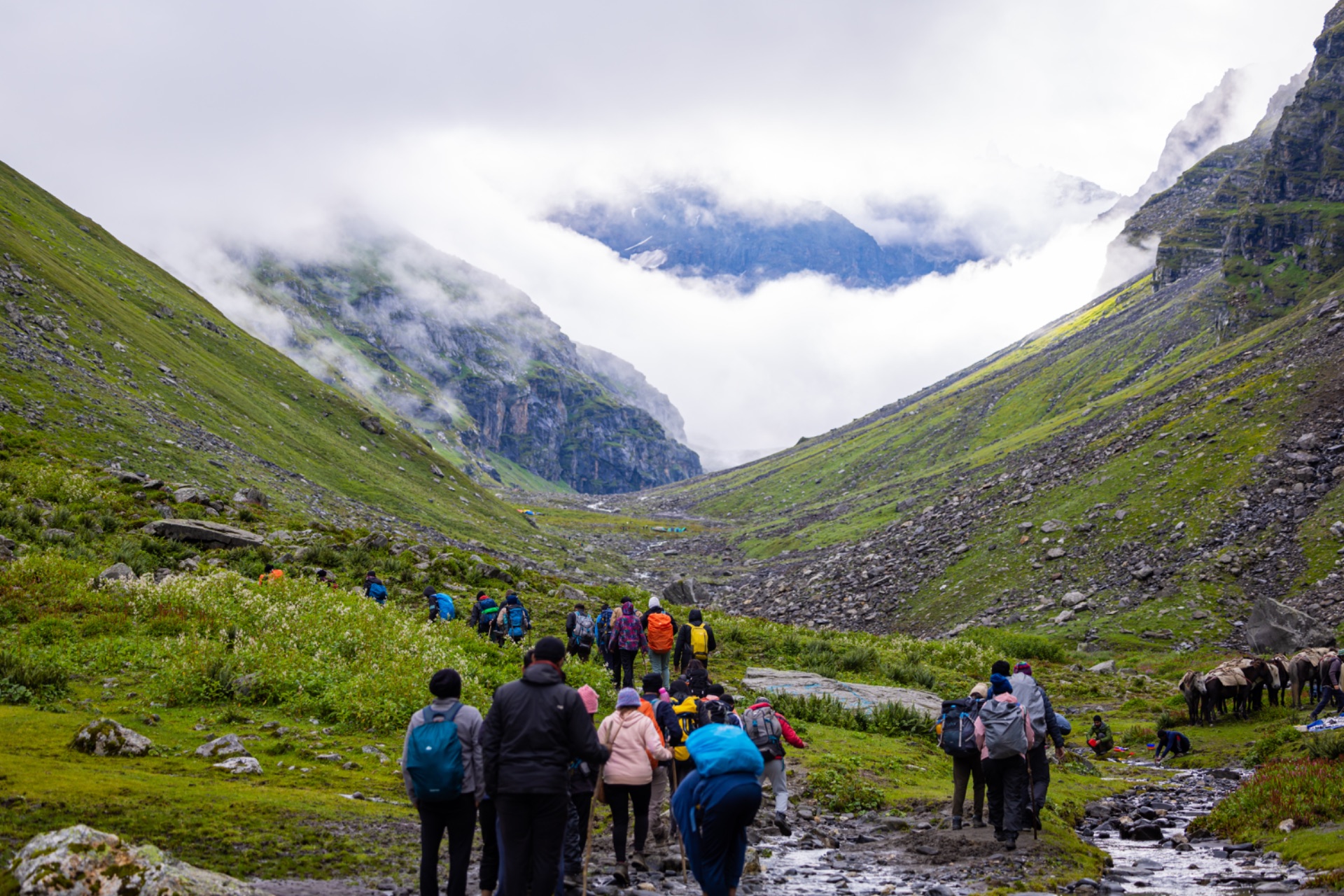
July changes the character of the trek.
Vegetation on the Kullu side becomes lush, streams become more prominent, and cloud cover can create dramatic Himalayan scenery.
However, July also falls within Himachal Pradesh’s southwest monsoon period. IMD rainfall records show that Kullu receives meaningful rainfall during the monsoon months, so wet trails and road disruption need to be considered seriously.
July can therefore suit trekkers who prioritise:
- Green landscapes
- Waterfalls and flowing streams
- Alpine vegetation
- Dramatic cloudy scenery
It is less suitable for someone whose main priority is consistently dry trail conditions.
For detailed rain-specific precautions, use our Hampta Pass Trek During Monsoon guide rather than relying on a seasonal overview alone.
Hampta Pass in August
August is another highly green period on the Kullu side of the trek.
The visual contrast after crossing Hampta Pass can become especially noticeable because trekkers move from a wetter green valley towards the much drier Lahaul side.
After crossing the pass, the trek descends towards Shea Goru, where the terrain looks considerably more rugged than the opening stages.
The trade-off is rainfall.
IMD historical data demonstrates how rainfall can differ sharply between Kullu and Lahaul & Spiti during July and August, reflecting the very different conditions on either side of the mountain system.
Choose August primarily if lush landscapes matter more to you than avoiding rain-related uncertainty.
Hampta Pass in September
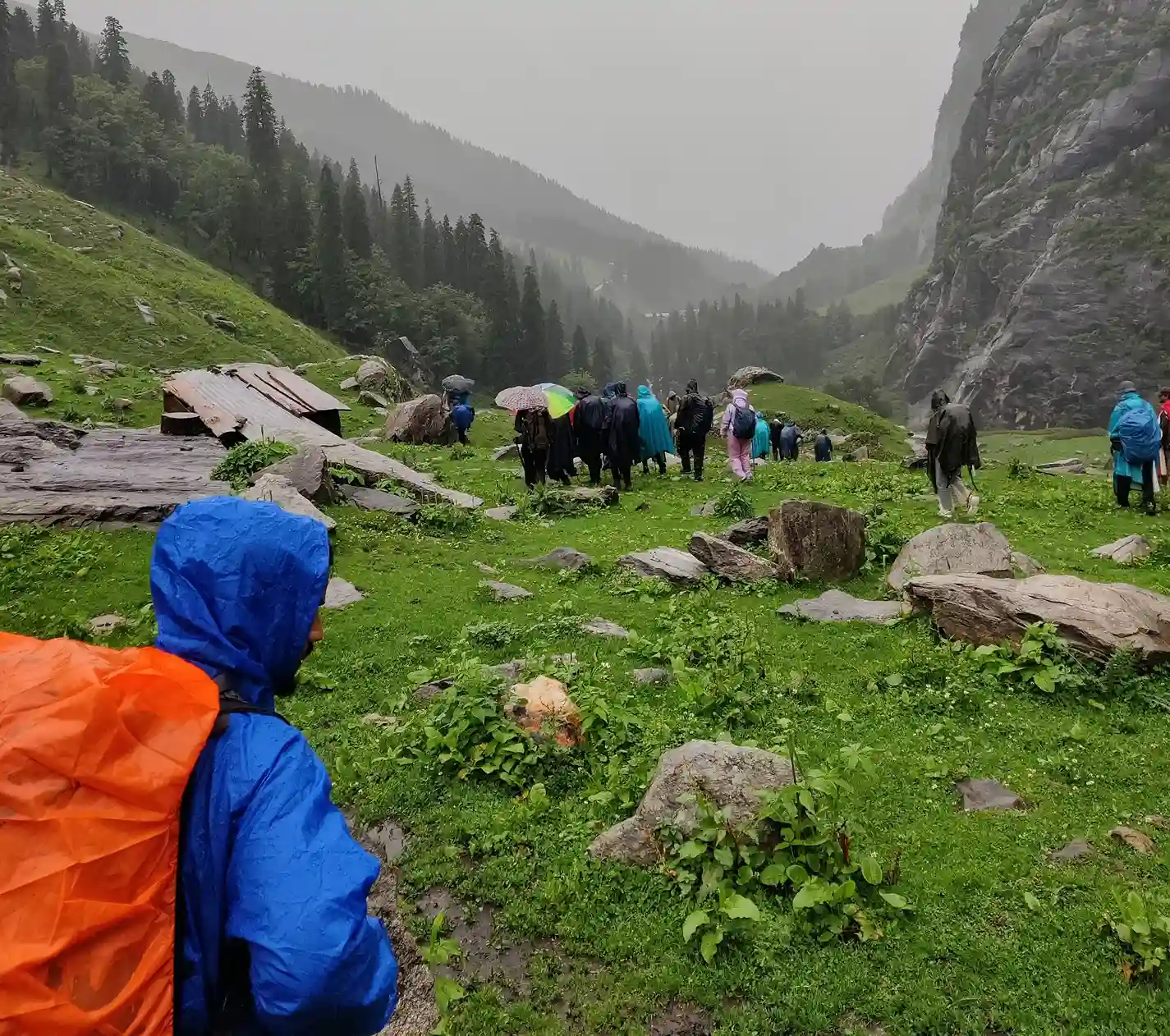
For many trekkers, September offers one of the best overall combinations.
TourMyHoliday’s current seasonal guidance notes that September often brings more stable conditions and clearer mountain views compared with the wetter summer period.
Potential advantages include:
- Cooler trekking temperatures
- Often improved visibility
- Crisp mountain scenery
- Green valleys gradually changing colour
- Less emphasis on snow and more on open mountain views
September is particularly suitable for photographers and trekkers who value visibility more than early-season snow.
However, do not interpret “September” as “guaranteed dry weather.” September remains part of IMD’s broader June–September southwest monsoon monitoring period, so current forecasts still matter.
Hampta Pass in Early October
October is not a month I would choose ahead of June–September for a normal first Hampta Pass plan.
Temperatures fall, snowfall becomes increasingly possible, and operators may begin winding down high-altitude operations depending on conditions.
The biggest issue is not simply cold weather—it is access uncertainty.
If you are considering October, confirm:
- Whether your departure is operating
- Current pass conditions
- Road status on the Lahaul side
- Whether Chandratal is accessible
Do not book solely because an old article lists a fixed October closing date.

Can You Trek Hampta Pass in May?
May is generally too early for the normal Hampta Pass trekking season.
Heavy snow can remain around the high pass, and normal organised departures usually depend on sufficient snow clearance and safe trail access.
If your primary goal is a Hampta Pass crossover rather than a specialised snow expedition, waiting for the regular summer trekking window is more practical.
Himachal Tourism lists Hampta Pass among the state’s recognised high-altitude trekking routes and recommends suitable equipment and experienced support for Himalayan trekking.
For official trekking information, see the Himachal Tourism trekking guide.
Best Month for Snow: June
If your priority is snow on or near the higher trail, June generally provides a better chance than later-season departures.
The exact amount changes every year according to winter snowfall and summer melting.
Therefore, avoid statements such as:
“June always has snow.”
A better expectation is:
June generally offers the strongest possibility of encountering remaining seasonal snow during the normal trekking window.
Best Month for Green Valleys: July to August
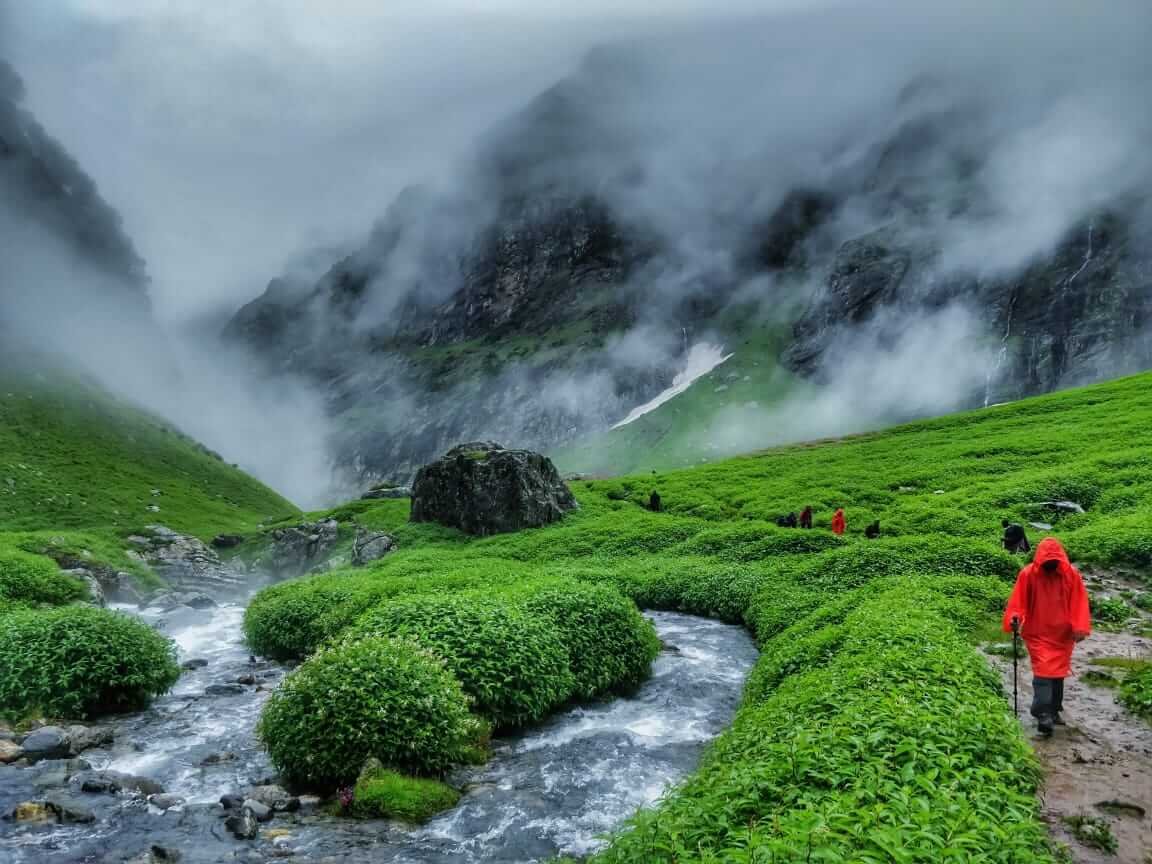
For lush Kullu-side landscapes, July and August are strong choices.
The same rainfall that increases trail and road risk also contributes to:
- Green meadows
- Active streams
- Waterfalls
- Alpine vegetation
- Cloud-filled mountain scenery
This makes the period visually impressive but more weather-dependent.
The dramatic difference between the greener Kullu side and rugged Lahaul terrain is explained separately in Why Hampta Pass Is a Dramatic Crossover Trek.
Best Month for Clearer Views: September
If clear mountain scenery is more important than snow, September would be my first choice among the normal operating months.
By this stage, the experience generally shifts away from early-season snow towards cooler, crisper Himalayan conditions.
It is also a sensible choice for first-time trekkers who would rather avoid deliberately selecting the wetter part of the season.
For beginner-specific preparation rather than seasonal advice, read Is Hampta Pass Good for Beginners?.
Which Month Is Best for Chandratal?

Chandratal should not determine your Hampta Pass date on its own.
Under the current route, Chandratal Sarovar is an additional road excursion from the Chatru side rather than part of the actual trekking trail.
Its visit is subject to road and weather conditions. TourMyHoliday’s current itinerary specifically states this condition.
For the exact relationship between the trek and lake, use the Hampta Pass to Chandratal Route Guide.
How to Choose Your Hampta Pass Month
Choose according to your priority:
Want more snow?
Choose June.
Want snow plus developing greenery?
Choose late June to early July.
Want the greenest landscapes?
Choose July or August, while accepting greater rain uncertainty.
Want clearer views and an overall balanced experience?
Choose September.
There is no universally perfect month because Hampta Pass looks and feels different throughout its short trekking season.
Before finalising any date, check the IMD Meteorological Centre Shimla for current forecasts and warnings. IMD issues official rainfall and weather information for Himachal Pradesh.
Does the Month Change Trek Difficulty?
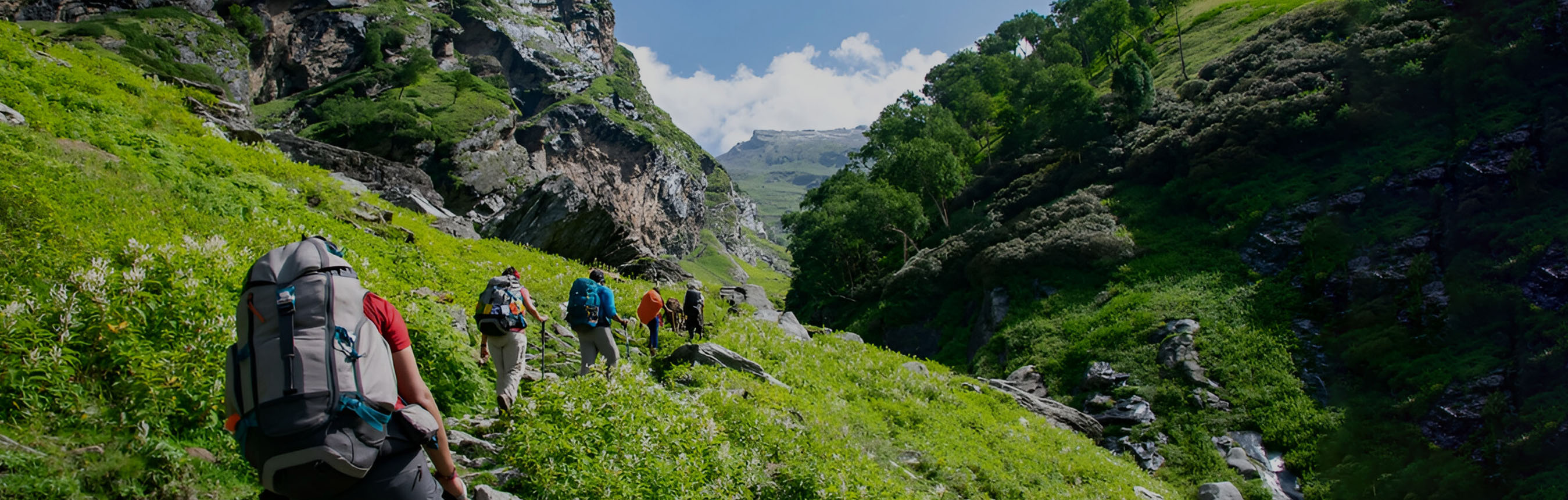
Yes, conditions can affect how the same trail feels, but season and difficulty are separate search intents.
Snow, rain, mud, stream levels and visibility can all influence trekking conditions.
For the actual physical and technical assessment, read Is Hampta Pass Trek Difficult?.
Similarly, your equipment should be adjusted to current conditions rather than copying one generic list. Use Hampta Pass Packing Mistakes First-Time Trekkers Make for gear preparation.
Frequently Asked Questions
1. Which is the best month for the Hampta Pass Trek?
September is one of the best all-round choices for trekkers who prioritise cooler conditions and clearer mountain views. Choose June instead if seeing seasonal snow is more important.
2. Is June a good month for Hampta Pass?
Yes. June is particularly attractive for trekkers hoping to encounter remaining snow on higher sections, although actual snow conditions differ each year.
3. Is July good for the Hampta Pass Trek?
July offers lush green scenery but also falls within Himachal’s monsoon period, so rain, slippery trails and road disruption are more significant considerations.
4. Is August safe for Hampta Pass?
Treks may operate in August, but safety depends on current rainfall, trail and road conditions rather than the month alone. Always follow local warnings and your trek leader’s decision.
5. Is September good for Hampta Pass?
Yes. September is a strong choice for trekkers looking for comparatively clearer mountain views and cooler conditions, while recognising that mountain weather can still change quickly.
6. Can Hampta Pass be trekked in October?
Some early-October departures may be possible depending on the year, but colder conditions and access uncertainty make June–September a more dependable planning window.
7. Is Chandratal guaranteed during the best season?
No. Even during the normal trekking season, the Chandratal excursion depends on current road and weather conditions.
Final Recommendation
There is no single month that is best for every Hampta Pass trekker.
June is better for snow.
July and August are better for lush green landscapes.
September is my preferred all-round option for clearer views, cooler trekking conditions and a balanced experience.
Whichever month you choose, check current forecasts and operating conditions shortly before departure because high-altitude weather cannot be guaranteed months in advance.
For route, camps and general preparation, read the Hampta Pass Trek Complete Guide.
For current trip dates, inclusions and commercial booking details, use the Hampta Pass Trek Package with Chandratal.


