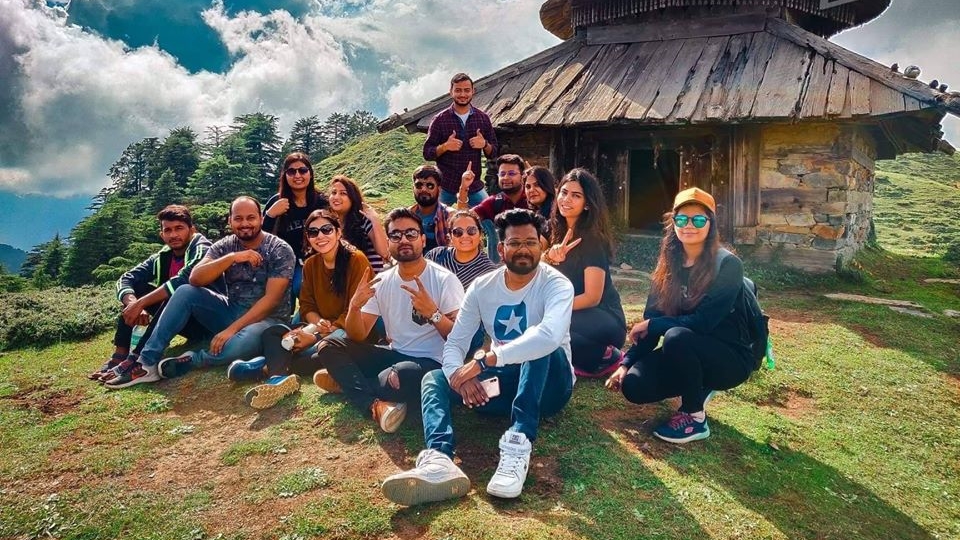
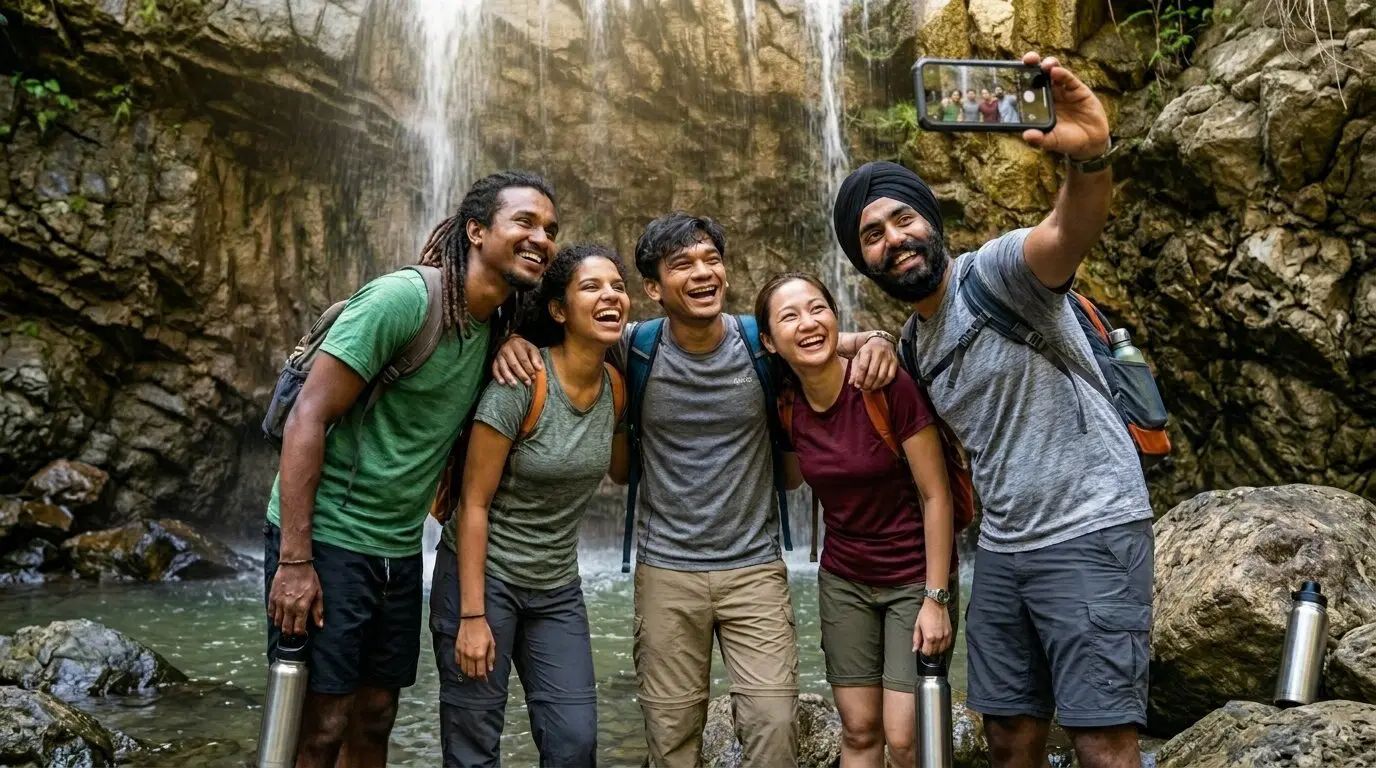
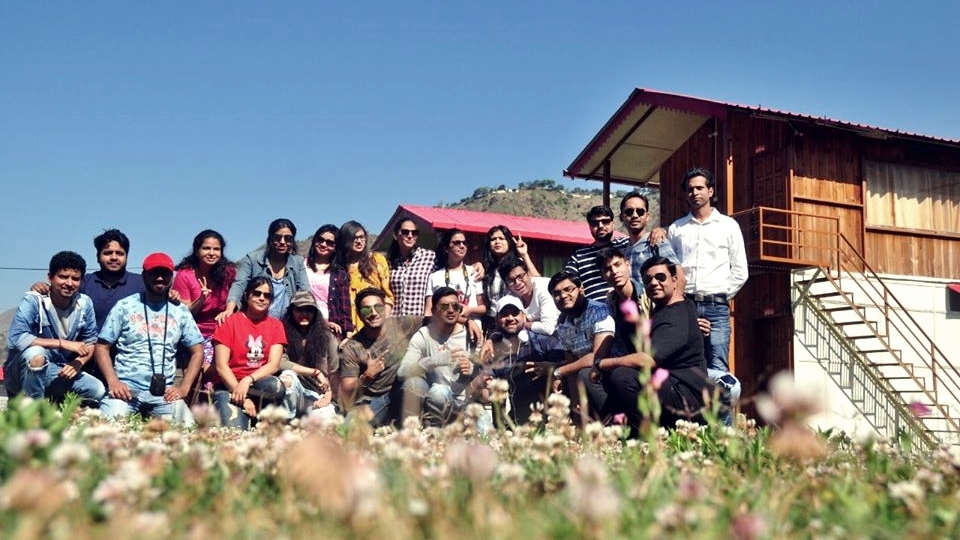
Nestled in the Garhwal region of Uttarakhand, Chakrata hill station is a serene escape known for its lush forests, Himalayan views, and tranquil ambiance. The surrounding areas offer a variety of attractions, from cascading waterfalls to cultural villages, making it an ideal destination for nature lovers and adventure enthusiasts. Below is a guide to the top nearby places, perfect for day trips or extended explorations.
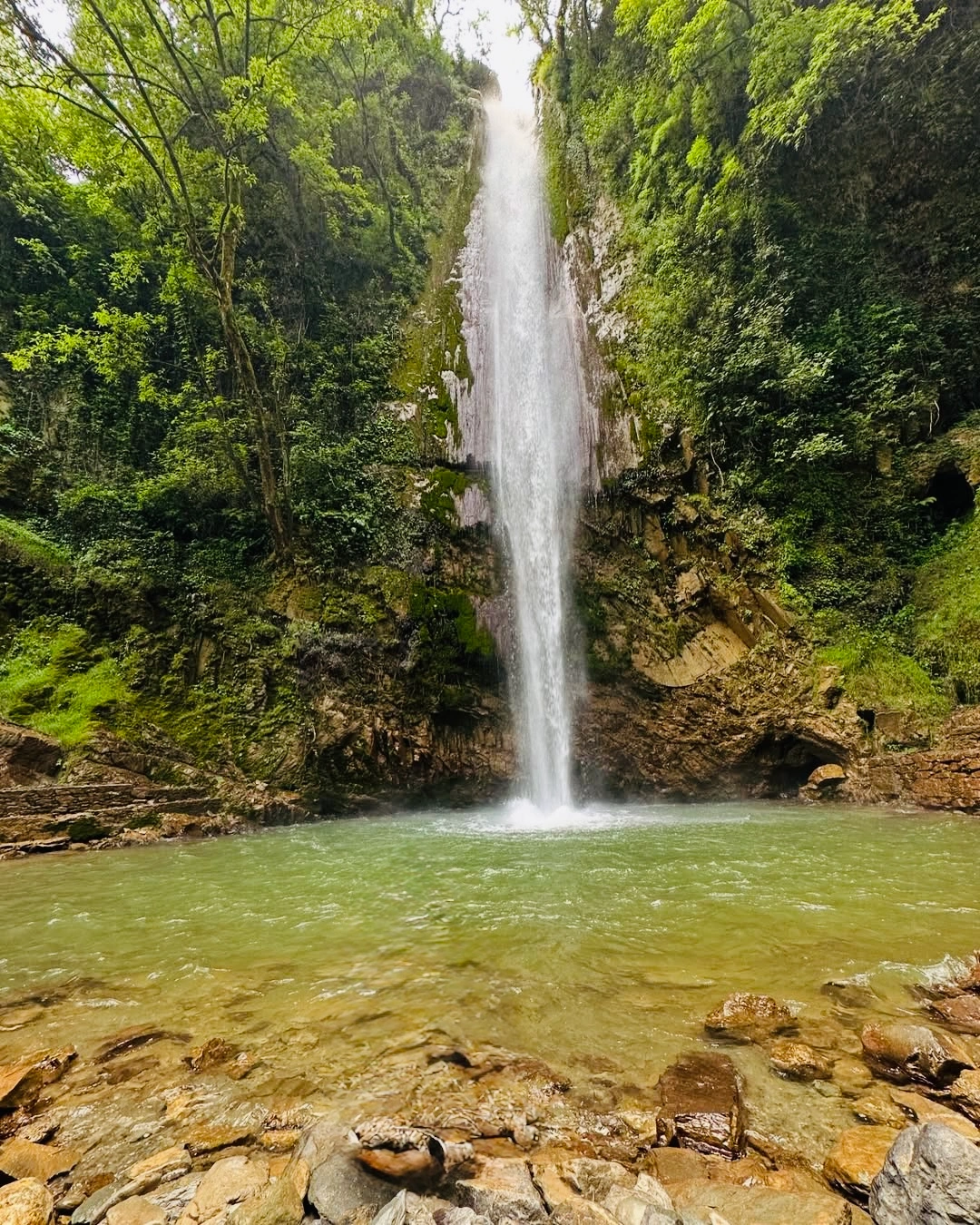
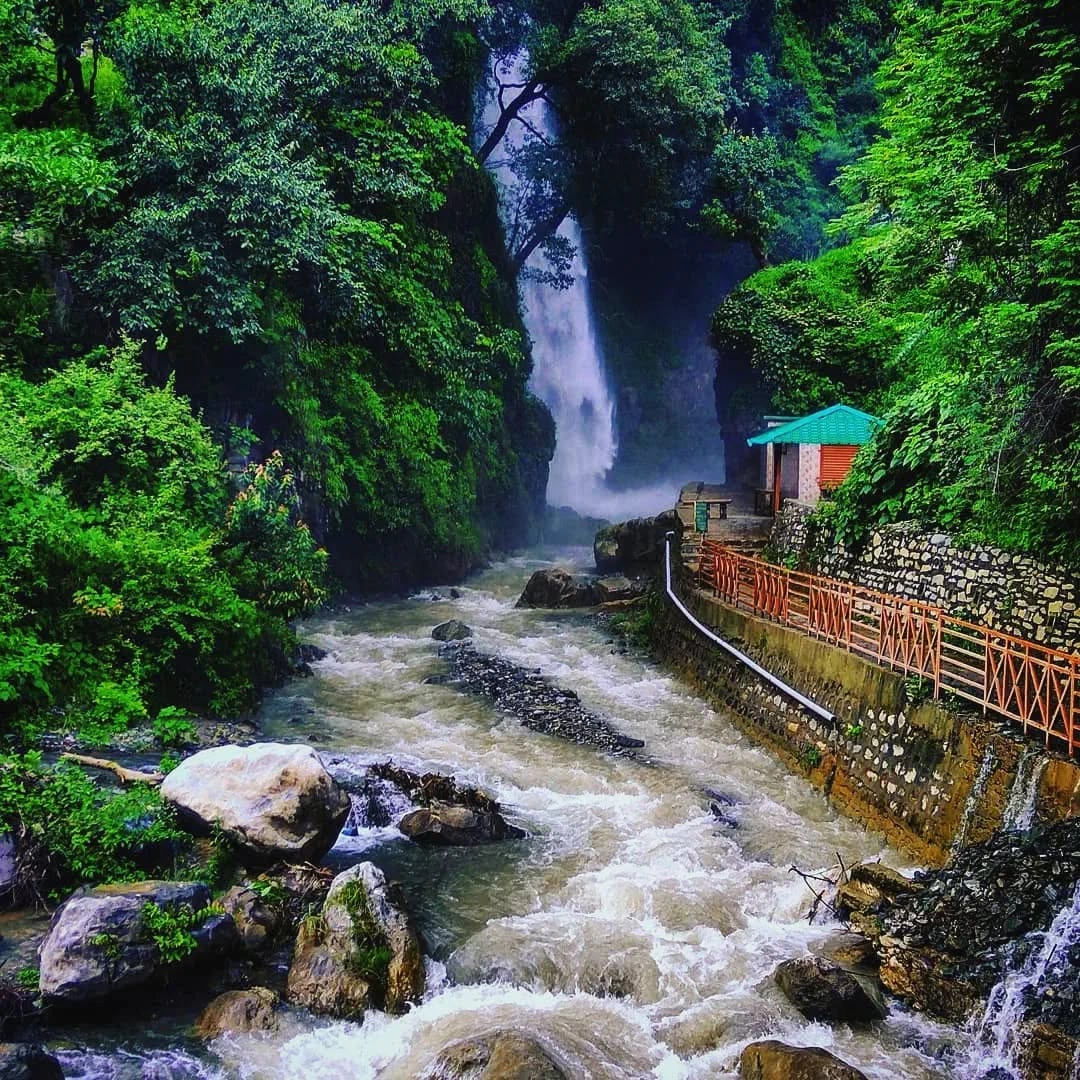
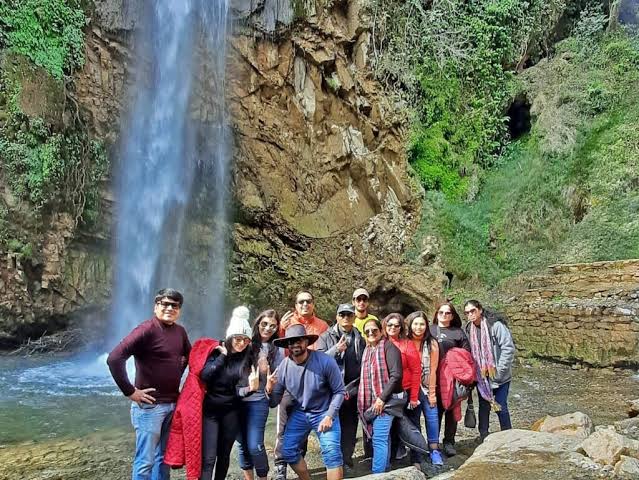
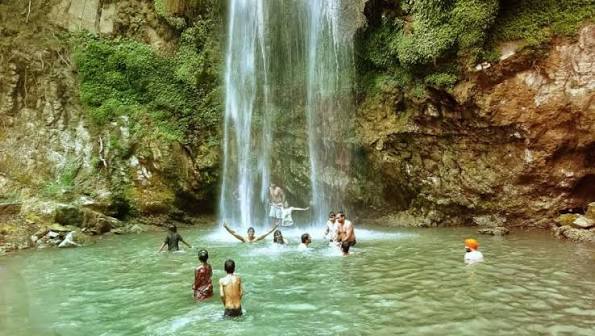
Tiger Falls is a must-visit gem near town. This 312-foot waterfall, one of India's highest, is surrounded by dense deodar and oak forests. A short 1-km trek leads to its base, where visitors can enjoy picnics, birdwatching, or photography. The soothing sound of cascading water and misty air make it a trip highlight. Open from 8 AM to 7 PM.
Chilmiri Neck is another iconic spot, offering breathtaking panoramic views of the Himalayas. Famous for its vibrant sunsets, this viewpoint is a haven for trekkers and photographers. Trails toward Tiger Falls often start here, making it a great addition to your itinerary.
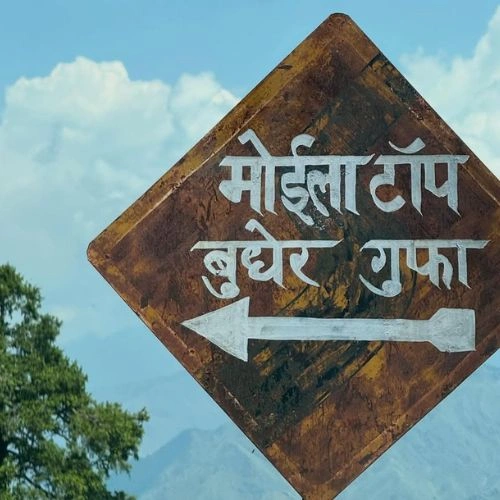
Budher Caves attract adventure seekers with their ancient limestone formations. Also known as Miola Caves, they offer a thrilling spelunking experience. Guided tours are recommended for safety.
Deoban is a high-altitude forest reserve with stunning views of peaks like Swargarohini. Ideal for trekking and camping, it's a biodiversity hotspot perfect for nature enthusiasts.
These destinations, easily accessible from town, blend adventure, nature, and culture, ensuring a memorable trip.
A few simple tips will help you make the most of your visit.
Plan Your Visit in the Right Season:
The best time to visit is March to June and September to November. Summers are cool and great for sightseeing, while autumn offers clear skies for trekking. Winters are cold and snowy — perfect for snow lovers, but come prepared for chilly weather.
Pack Smart:
Carry light woolens for summer evenings and heavy jackets for winter. Comfortable shoes are a must, especially for trails like Tiger Falls or Deoban. Don't forget sunscreen, sunglasses, and a water bottle. Check in advance if camping gear is included in your booking.
Explore Local Attractions:
Tiger Falls, Chilmiri Neck, and Budher Caves are all close by and worth building your day around. Tiger Falls is great for picnics, Chilmiri Neck for sunset views, and the caves for a guided adventure add-on.
Travel Light and Local:
This is a small town with limited public transport. Renting a bike or car helps, or opt for transport-included booking. Try local Garhwali food at small eateries for an authentic taste of the region.
Stay Connected and Safe:
Mobile networks can be weak in remote areas — let family know your plans in advance. Carry cash, as ATMs are scarce and digital payments aren't always accepted. Go with a guide for trekking and avoid risky trails alone.
Respect Nature:
Avoid littering and stick to marked paths during treks. Whether you're travelling with a group or solo, these habits keep the destination beautiful for the next visitor.
Packing smart is key to a great experience. Here's an easy checklist to help you prepare.
Clothing: Weather changes with the seasons. For summers (March–June), pack light clothes like t-shirts and shorts, with a light jacket for cool evenings. For winters, bring heavy woolens, jackets, and gloves. Comfortable trekking shoes are a must for trails to Tiger Falls or Deoban. Pack a raincoat or umbrella for sudden showers, and a cap or hat for sun protection.
Essentials for Trekking and Outdoor Activities: If your trip includes trekking or camping, pack a sturdy backpack, water bottle, and high-energy snacks like nuts or energy bars. A flashlight with extra batteries is handy for night treks or power cuts. Include a small first-aid kit with band-aids, painkillers, and antiseptic cream.
For Family Trips: Traveling with kids? Pack games, snacks, and extra clothes for little ones. A reusable water bottle and portable charger are great for long outings. Binoculars add fun for kids spotting birds or distant peaks.
Personal Items: Carry sunscreen, sunglasses, and lip balm. A small towel, hand sanitizer, and wet wipes are useful outdoors. Bring enough cash for local markets, and a valid ID for hotel check-ins or permits.
Miscellaneous: Pack a camera or smartphone with a good charger. If picnics are on the agenda, bring a lightweight picnic mat. Insect repellent helps in forest areas. Carry a reusable bag to avoid littering.
Understanding the weather by season helps you plan your trip better.
Spring (March to April): Mild and lovely, with temperatures between 10°C and 25°C. Sunny days and blooming hills make it ideal for sightseeing and trekking. Pack light clothes but carry a jacket for cool evenings. Roads are clear, making travel easy this season.
Summer (May to June): Cool and pleasant, 15°C to 28°C. Best for outdoor activities like hiking or camping in Deoban or Kanasar, with clear skies for stunning Himalayan views. Light cotton clothes, sunscreen, and a cap are enough. A popular time for families and adventure seekers.
Monsoon (July to September): Moderate to heavy rain, 12°C to 22°C. Forests turn lush green, but trekking can be risky on slippery trails. Magical near the waterfalls if you love nature in full bloom — carry raincoats, umbrellas, and waterproof shoes, and drive carefully as roads may be wet.
Autumn (October to November): Crisp and clear, 10°C to 20°C. Ideal for photography and enjoying views at Chilmiri Neck, with light woolens enough for chilly nights.
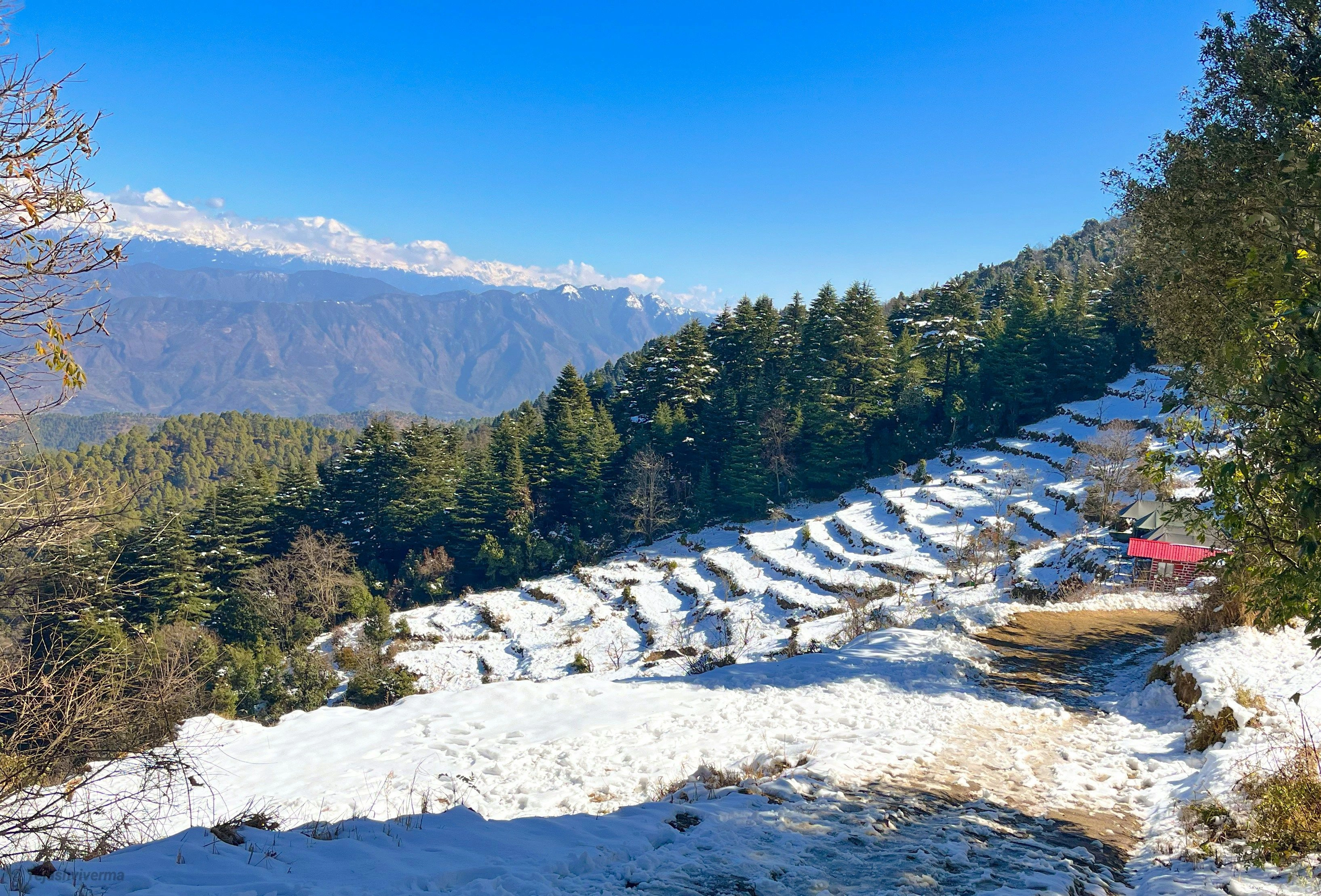
Winter (December to February): Cold, 0°C to 15°C, with occasional snowfall — perfect for snow lovers. Pack heavy jackets and gloves to stay warm while exploring.
Each season offers a different experience, so pick the one that matches what you're looking for.
Chakrata is not just about scenic beauty but also rich in culture and traditions. Understanding its cultural charm adds real depth to a visit.
Local Communities and Lifestyle: Home to the Jaunsari and Garhwali communities, known for their warm hospitality. Their lifestyle is simple, rooted in farming and animal rearing. Visiting villages like Mundhol or Koti lets you see their wooden houses and interact with locals, who love sharing stories.
Festivals and Celebrations: The Jaunsari people celebrate Magh Mela (January) with folk dances and feasts, and Bissu, which marks the harvest with vibrant music. Timing a visit around these festivals means colorful performances and local food.
Traditional Food: Try Garhwali dishes like kafuli (spinach curry), chainsoo (lentil dish), and mandua ki roti (finger millet bread) at local eateries or homestays. Sipping rhododendron juice or buransh tea is a must for a true taste of the hills.
Folk Music and Dance: Jaunsari folk dances like Raso and Harul are lively and performed during festivals or weddings, accompanied by the dhol and nagada. Some stays include cultural evenings where you can watch these performances.
Handicrafts and Markets: Local markets sell handmade shawls, wooden crafts, and woolen items. Buying these supports the community and makes for great souvenirs — worth a stop at the small market in the main town.
Tasting the local Garhwali and Jaunsari dishes is a must for anyone visiting.
Kafuli: A popular Garhwali dish made from spinach or fenugreek leaves cooked into a thick, green curry — healthy, flavorful, and perfect for vegetarians. Pair it with mandua ki roti for a wholesome meal.
Chainsoo: A protein-packed dish made from roasted black gram (urad dal) ground into a paste and cooked with spices — a hearty option that gives you energy for the trails. Enjoy it with rice or roti at local dhabas.
Mandua ki Roti: A nutritious flatbread made from finger millet — soft, earthy, and a staple that goes well with any curry.
Jhangora ki Kheer: A sweet dish made from barnyard millet cooked with milk and sugar — light and comforting, and often found during festivals or at local homes.
Buransh Juice: Made from bright red rhododendron flowers, this refreshing drink is unique to the region — slightly tangy and packed with health benefits, especially in spring when the flowers bloom.
Where to Eat: Small dhabas in the main market or homestays in villages like Kanasar serve authentic meals. Always carry cash, as digital payments may not work everywhere.
Chakrata is steeped in fascinating myths and legends that add a magical touch to a visit.
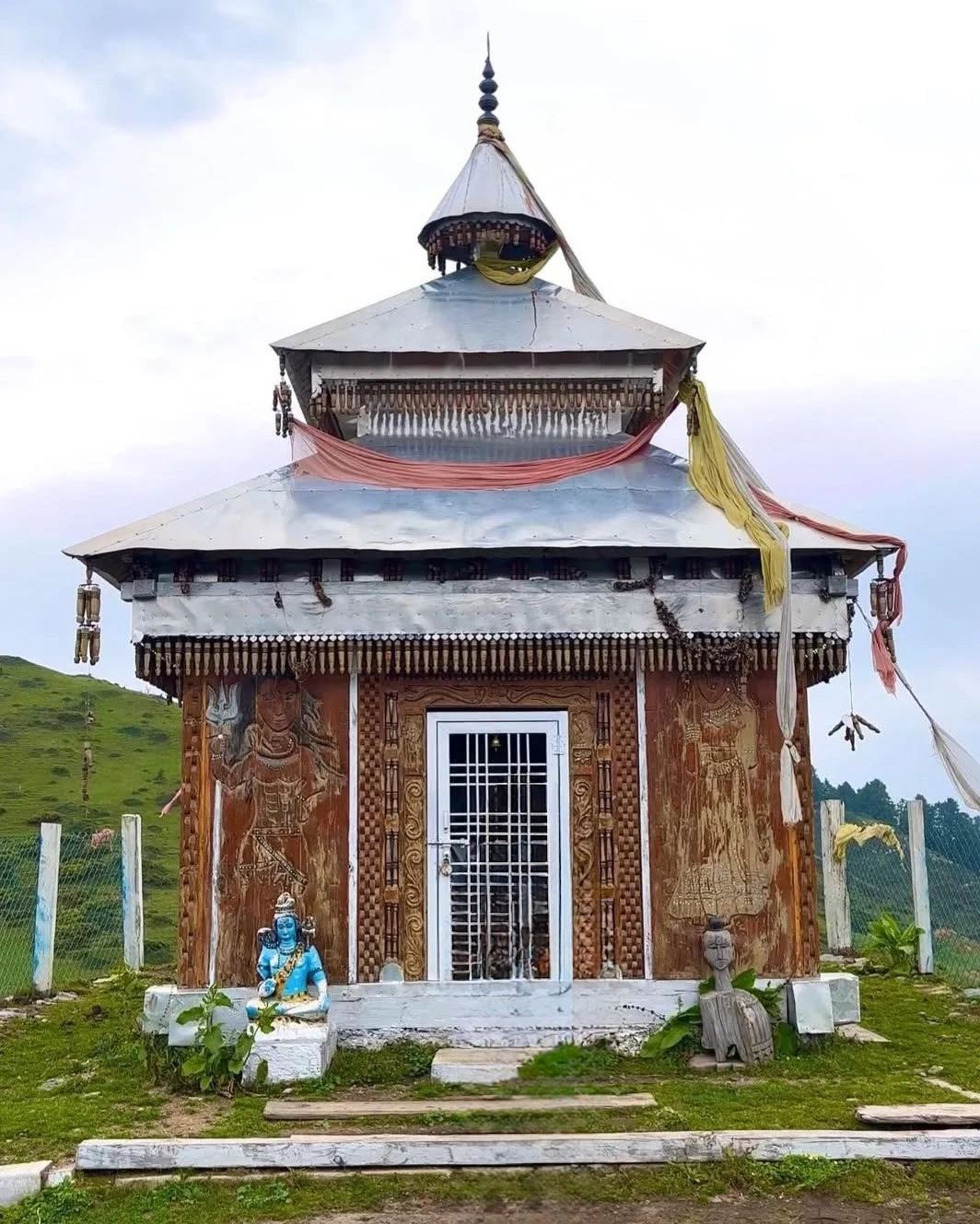
The Legend of Lakhamandal: Just 60 km away, Lakhamandal is a historic site tied to the Mahabharata. Locals believe it's where the Kauravas built the "Lakshagriha," a wax palace to trap and burn the Pandavas. The Pandavas escaped through a secret tunnel, and the ancient Shiva temple here is said to house their spirits.
Jaunsar-Bawar Folklore: The Jaunsari people have tales of spirits and deities living in the forests, including a forest goddess said to protect trekkers on trails like Deoban. Locals advise respecting nature to avoid upsetting these spirits.
The Ghost of Budher Caves: Also called Miola Caves, these limestone caves are said to be haunted by ancient spirits — once hiding spots for warriors, their echoes said to carry mysterious voices. Exploring them with a guide sharing these tales feels like stepping into a mythical world.
The Sacred Buransh Flower: The bright red rhododendron is linked to a legend of a goddess who blessed the hills with its beauty. Locals believe drinking its juice brings good health and luck.
Respecting Local Beliefs: When visiting villages or temples, listen to local stories with respect. These myths are part of what makes the destination unforgettable — whether it's the mystical Lakhamandal or the haunted caves, history and mystery blend beautifully here.
Chakrata's natural beauty and culture are worth protecting. A few simple habits go a long way.
Respect Nature: Forests, rivers, and hills are the region's biggest charm. Don't litter on the trails — carry a reusable bag to collect trash and dispose of it properly. Stick to marked trails at places like Tiger Falls or Deoban to avoid harming plants or wildlife.
Save Water and Energy: Resources here are limited. Use water wisely, especially in homestays — turn off lights and fans when not needed, and avoid wasting food at local eateries.
Support Local Communities: Buy handmade crafts like shawls or wooden items from local markets, and eat at small dhabas serving dishes like kafuli or chainsoo. It boosts the local economy and gives you a more authentic experience.
Respect Local Culture: Dress modestly, especially when visiting villages or temples like Lakhamandal. Ask permission before photographing locals, and learning a few words in Garhwali goes a long way in connecting with residents.
Travel Light and Green: Use reusable water bottles and avoid plastic bags. Use eco-friendly gear if camping, and choose shared transport or bikes where possible to reduce pollution.
Be Mindful of Wildlife: Don't feed animals or disturb birds in forest areas like Deoban — keep a safe distance to protect them.
A paradise for photographers, with lush forests, waterfalls, and Himalayan views. A few tips to help capture it well.
Chase the Golden Hours: Shoot during early morning or late afternoon for soft, warm light. Chilmiri Neck offers breathtaking sunrise and sunset views, with golden light that enhances the colors of the hills.
Capture Nature's Beauty: Tiger Falls and Deoban are ideal for nature photography. Use a wide-angle lens to frame the 312-foot waterfall or the dense forests, and a tripod for steady shots in low light.
Focus on Local Life: The Jaunsari and Garhwali communities add real cultural charm — their wooden homes and festivals like Magh Mela are worth photographing. Always ask permission before photographing locals, and a zoom lens works well for candid portraits.
Use Weather to Your Advantage: Monsoon brings lush greenery, great for vibrant shots of forests or buransh flowers. Winter offers snow-covered hills. A polarizing filter helps reduce glare and boost colors in rainy or snowy conditions.
Pack Smart for Photography: Carry extra batteries and memory cards, as charging points are limited in remote areas. A waterproof camera bag is useful for treks to wet areas like Tiger Falls, and a lightweight tripod helps with long-exposure shots of stars or waterfalls.
Edit Lightly: Use simple editing apps to enhance colors and contrast, but don't overdo it — the natural beauty here doesn't need much help.
Here are heartfelt stories from visitors who explored Chakrata with us.
Riya's Family Adventure:
"Our family trip was a dream come true! We stayed in a cozy homestay and visited Tiger Falls. The 1-km trek was easy for my kids, and they loved splashing in the water. The Garhwali food, like kafuli, was so tasty! Everything was hassle-free, with a guide who shared local stories. The peaceful vibe was perfect for our family bonding." – Riya, Delhi.
Aman's Trekking Thrill:
"I booked a trek to Deoban, and it was amazing! The trail through pine forests and the view of Himalayan peaks were breathtaking. Our guide told us about the forest goddess legend, adding a fun twist. Camping was included, and stargazing at night was unforgettable. I'm already planning my next trip!" – Aman, Mumbai.
Priya's Cultural Experience:
"My trip took me to Lakhamandal, a temple tied to the Mahabharata. The ancient carvings and stories about the Pandavas gave me goosebumps. I also visited a Jaunsari village, where locals welcomed us with buransh juice. It blended culture and nature perfectly, making my trip special." – Priya, Bangalore.
Vikram's Solo Escape:
"As a solo traveler, my visit to Chilmiri Neck was pure bliss. The sunset views were stunning, and I clicked so many photos. The quiet trails and fresh air helped me unwind. A local dhaba meal of mandua ki roti was delicious. Chakrata is a hidden gem!" – Vikram, Pune.
Tips from Travelers: These stories highlight why Chakrata is loved. Visitors suggest booking a trek for adventure or a relaxed package if you'd rather take it slow. Respect locals, carry cash for small shops, and pack for changing weather — whatever the trip type, Chakrata's charm leaves everyone with memories to cherish.