Dhanaulti Eco Friendly Park
Published on April 11, 2025
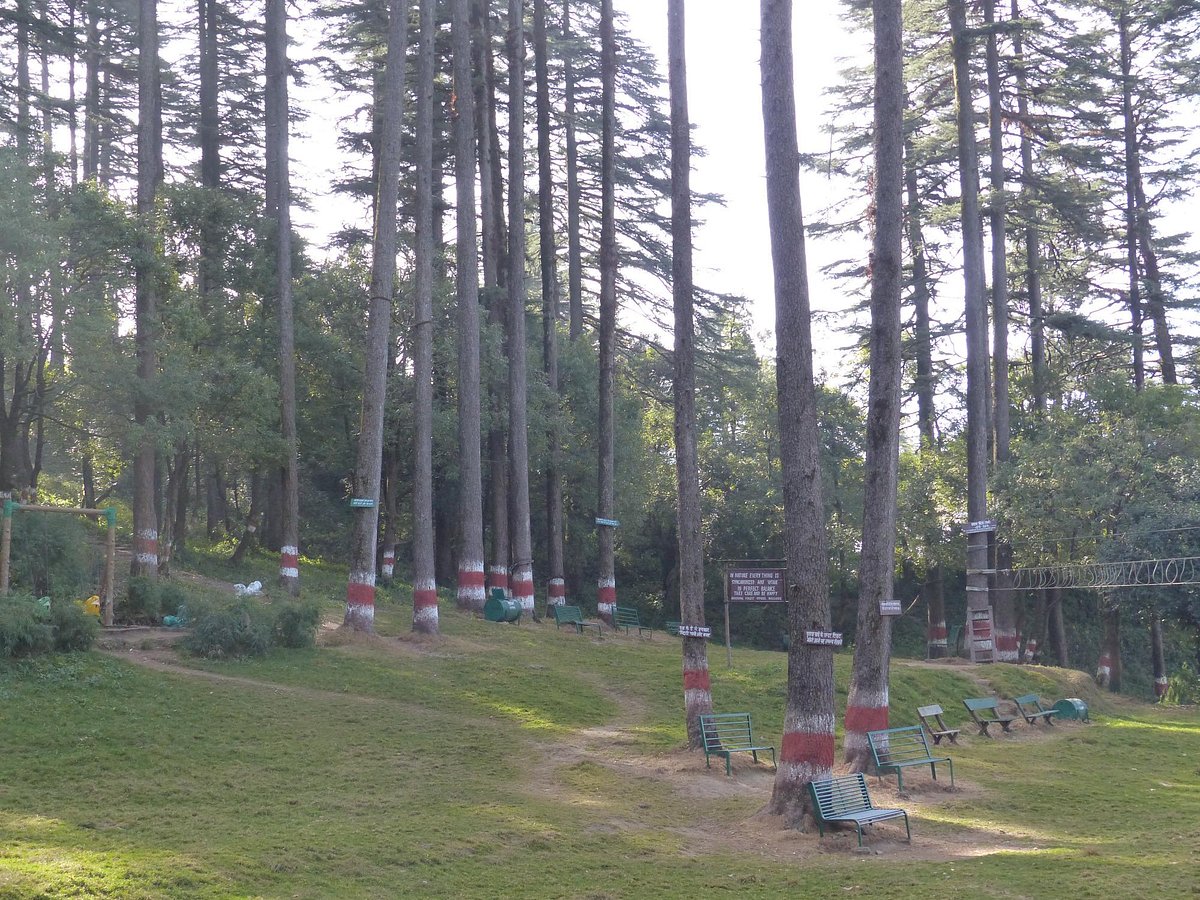
Eco Park in Dhanaulti is one of the most famous attractions of Uttarakhand today. Known for its tall deodar, oak, and rhododendron trees, peaceful surroundings, and well-kept paths, it offers visitors a calm escape from the busy cities. Families, nature lovers, and adventure seekers come here to enjoy the cool air, green views, and safe environment. But behind the beauty of this park lies a story of how it was created, its link to local history, and its role in protecting nature for the future. To understand Eco Park Dhanaulti, we must look at the origin of the place, its background in Garhwal history, and the steps taken in recent years to make it an eco-friendly tourist destination.
The Setting of Dhanaulti Before the Eco Park
Before Eco Park existed, Dhanaulti was known as a quiet hill station located in the Tehri Garhwal district of Uttarakhand. Unlike Mussoorie, which became crowded and highly developed, Dhanaulti remained untouched for a long time. The area was covered with dense forests, small farming villages, and natural springs. Local people depended on agriculture, forest products, and cattle rearing.
The forests around Dhanaulti were part of the larger Garhwal Himalayan ecosystem. They were home to many species of plants, birds, and animals. But over time, due to rising population, use of firewood, and need for land, forest areas started to shrink. By the late 20th century, people began to notice the loss of trees and the impact on water sources. This led to the idea of protecting the region by creating eco-tourism zones where forests could be preserved and visitors could enjoy nature responsibly.

Origin of the Eco Park Idea
The idea of Eco Park was born in the early 2000s when the Forest Department of Uttarakhand and the local community of Dhanaulti decided to join hands. Their aim was two-fold:
-
To protect and conserve the forests around Dhanaulti.
-
To provide a clean tourist destination that would bring income to locals without harming nature.
The park was developed with the help of the Uttarakhand Forest Department, and local youth groups known as Van Panchayats (forest councils). Instead of cutting trees or building large hotels, the focus was on making walking paths, small picnic areas, swings for children, and wooden huts for resting. This balanced approach allowed tourism to grow without damaging the environment.
Establishment of Eco Park Dhanaulti
Eco Park was officially established in the year 2003. At that time, Dhanaulti was still a less-visited hill station compared to Mussoorie or Kanatal. But once Eco Park was opened, it quickly became popular because of its refreshing atmosphere and well-kept surroundings.
The park was divided into two main sections:
-
Amber Eco Park
-
Dhara Eco Park
Both were developed and managed in a way that encouraged eco-tourism. The names were inspired by natural elements. "Amber" represents the beauty of the rising sun and sky colors, while "Dhara" means "flow of nature" or "stream." Together, they show the park’s aim of blending human activity with natural beauty.
Eco-Friendly Principles of the Park
From the very beginning, Eco Park was created with the principles of eco-tourism. Unlike regular parks, it had strict rules:
-
No large construction inside the forest zone.
-
No plastic waste allowed inside.
-
Wooden and natural materials used for benches, swings, and huts.
-
Paths made without disturbing tree roots.
-
Local plants and flowers planted to maintain biodiversity.
These measures made Eco Park stand out from other tourist spots. Visitors found it cleaner, greener, and more peaceful. For the locals, it became a source of jobs as guides, caretakers, and sellers of local products.

Historical Roots – The Land of Garhwal
To understand the deeper history of Eco Park’s location, we need to look at the history of Garhwal. For centuries, the Garhwal hills, including Dhanaulti, were ruled by the Panwar (Pawar) dynasty of Garhwal. The forests of this region were considered sacred and were often connected with local deities. People worshipped the trees, rivers, and mountains, believing them to be protectors of life.
During the Gurkha invasion in the early 19th century, many forests of Garhwal were damaged as armies moved across the region. Later, during British colonial rule, forests became important for timber supply. The British declared many areas as "Reserved Forests" and controlled the use of wood. This caused tension with local villagers who depended on forests for daily needs.
The famous Chipko Movement of the 1970s, where villagers hugged trees to prevent them from being cut, also took place in the Garhwal region. This movement created awareness about protecting forests, and its spirit later influenced eco-projects like the Eco Park in Dhanaulti.
Eco Park as a Modern Initiative
Eco Park Dhanaulti was not just made as a tourist spot; it was built as a symbol of conservation. The Forest Department planted hundreds of new saplings of deodar, rhododendron, and oak inside the park. Schools and local organizations often organize tree plantation drives here.
Tourists are encouraged to plant a sapling in memory of their visit. Each sapling is tagged with the visitor’s name, making it a personal connection with nature. Over the years, thousands of saplings have been planted this way, slowly strengthening the green cover of the region.
Role of Local Communities
The success of Eco Park cannot be explained without mentioning the role of local communities. Youth groups and Van Panchayats were given the responsibility of maintaining the park. They collected entry fees, guided tourists, and ensured cleanliness. The income generated was shared with the community, creating a direct benefit from eco-tourism.
Women’s self-help groups also set up small stalls outside the park, selling local handicrafts, woollen clothes, and organic food items. This created livelihood opportunities while keeping the traditional culture alive.
Growth of Tourism in Dhanaulti
After the establishment of Eco Park, Dhanaulti saw a rise in tourism. Unlike Mussoorie, which became crowded and commercialized, Dhanaulti maintained its charm of peace and simplicity. Families looking for a quiet holiday began to prefer it. The Eco Park became the central attraction, along with nearby sites like Surkanda Devi Temple, Kaudia Forest, and Kanatal.
Hotels, homestays, and small restaurants developed around the park, but strict building laws prevented uncontrolled urbanization. This balance of development and conservation became a model for eco-tourism in Uttarakhand.
Present-Day Eco Park
Today, Eco Park is a major highlight of Dhanaulti. Visitors come here for:
-
Nature walks among tall deodar and oak trees.
-
Picnics with family in green surroundings.
-
Beautiful sunrise and sunset views from wooden watchtowers.
-
Children’s play areas with swings and slides.
-
Opportunities to plant trees and support conservation.
The park also organizes awareness programs on environment protection, waste management, and climate change.

Challenges and Preservation
Even though Eco Park has been successful, challenges remain. Increasing number of tourists sometimes leads to waste problems. Climate change also affects forest health, as rising temperatures and irregular rainfall reduce the growth of some tree species. To overcome this, the Forest Department has strengthened rules about plastic, waste, and visitor behavior. Local guides also spread awareness among tourists.
Symbol of Eco-Tourism in Uttarakhand
Eco Park Dhanaulti has become a symbol of eco-tourism in Uttarakhand. It shows that nature-based tourism can succeed if managed well. Unlike crowded hill stations, Dhanaulti continues to attract people because of its cleanliness and greenery. The park reflects the lessons learned from Garhwal’s history: the importance of protecting forests, the role of community participation, and the value of living in harmony with nature.
The story of Eco Park Dhanaulti is not just about a tourist spot; it is about how people, history, and nature came together to create a model of sustainable living. From the sacred forests of the Garhwal kings to the struggles of villagers in the Chipko Movement, and finally to the creation of a modern eco-friendly park, the journey has been long and meaningful. Today, Eco Park stands as proof that development does not always mean destruction. With care, respect, and cooperation, humans and nature can thrive together.
Eco Park Dhanaulti is not only a place to relax but also a reminder of the responsibility we all share – to protect the green treasures of our planet for future generations.
Dhanaulti Eco Friendly Park: Uttarakhand's Serene Twin Sanctuaries of Nature (2026 Complete Guide)
Nestled in the pine-scented embrace of the Garhwal Himalayas, Dhanaulti Eco Friendly Park—comprising the twin sections "Amber" (Sky) and "Dhara" (Earth)—is a 13-hectare haven of deodar groves, oak canopies, and rhododendron blooms that invite visitors to reconnect with the wild. Developed as a community-driven initiative, these eco-parks, just 200 meters apart on the Mussoorie-Chamba Road, offer shaded trails, wildflower hedges, and breathtaking Himalayan vistas, making them a peaceful antidote to nearby adventure hubs. In 2025, they've become a cornerstone of Uttarakhand's sustainable tourism, blending biodiversity preservation with local livelihoods, and drawing eco-conscious families, trekkers, and photographers seeking tranquility at 2,286 meters.
This comprehensive guide draws from the latest forest department updates and traveller experiences to cover every facet—from its roots in poverty alleviation to practical tips for your visit.
Location and Altitude
Dhanaulti Eco Friendly Park is situated in the heart of Dhanaulti town, Tehri Garhwal District, Uttarakhand, along the Chamba-Mussoorie Road, approximately 500 meters from the main bus station and 1 km from the town centre. The twin parks—Amber and Dhara—span 13 hectares of protected forest, enveloped by dense deodar and oak stands that create a natural amphitheatre for valley views. At an elevation of 2,286 meters (7,500 feet), it offers crisp mountain air and moderate altitude comfort, with minimal risks for most visitors. The park's coordinates place it amid terraced apple orchards and pine ridges, serving as a gateway to the Garhwal's sacred landscapes.
History and Cultural Significance
Initiated in the early 2010s by the Divisional Forest Officer (DFO) of Tehri Garhwal in collaboration with local communities, the park was born from a dual mission: conserving the region's vanishing deodar forests and generating employment for underprivileged youth. By 2015, Amber and Dhara emerged as model eco-sites under the Uttarakhand Forest Department's poverty alleviation program, employing over 50 locals in maintenance, guiding, and horticulture—reducing migration and fostering pride in Garhwali heritage. Culturally, it echoes the Chipko Movement's legacy (1970s tree-hugging protests nearby), symbolizing harmony between people and nature. In 2025, it's integrated into Uttarakhand's "Herbal State" initiative, with herbal gardens honouring indigenous knowledge of rhododendron (used in Pahari teas) and oak (sacred in local folklore). Annual events like the Eco-Fest (April) feature Garhwali folk dances and storytelling, underscoring its role as a living cultural bridge.
Stories and Myths
While not steeped in ancient epics, the park whispers modern legends tied to its names: Amber, the "Sky" section, is said to channel divine winds that heal ailments—locals share tales of a 2025 visitor's asthma easing after a rhododendron-infused breath there. Dhara, the "Earth" realm, hosts myths of subterranean naga (serpent) guardians protecting the deodars; a viral story from March 2025 recounts a shepherd finding a hidden spring during a storm, now a "wishing pool" for bountiful harvests. Community elders narrate how the parks "chose" their spots—dreams guiding the DFO to these groves, blending environmental ethos with spiritual reverence. These narratives, passed during guided walks, transform strolls into immersive Pahari lore sessions.
Development and Tourism
From humble forest patches to 2025's eco-exemplar, the park's growth reflects Uttarakhand's green vision: Initial funding from the Forest Department (₹2 crore in 2012) expanded trails and huts, with 2025's ₹50 lakh upgrade adding solar benches and AR interpretation boards for self-guided tours. Tourism has surged 25% yearly, reaching 50,000 visitors amid Dhanaulti's "silent hill" boom, yet caps (200/day) preserve serenity. Community cooperatives manage 70% operations, channeling fees into youth training—empowering women like local guide Sunita Devi, who leads herbal forays. Challenges like monsoon erosion prompted 2025's bio-engineered retaining walls, ensuring sustainable footfall without compromising the 300+ year-old deodars.
Entry Fees and Visiting Information
- Entry Fee: ₹50 per adult, ₹20 per child (under 12); free for locals with ID. Includes access to both sections; camera fee ₹100 extra for professional shoots.
- Timings: 9 AM–5 PM daily (last entry 4 PM); closed Mondays for maintenance. Year-round open, but check for weather closures via Uttarakhand Tourism app.
- Best Approach: 5–10 minute walk from Dhanaulti Bus Stand; guided eco-walks (₹200/person, 1 hour) available at the gate for flora insights. Picnics encouraged—bring eco-bags.
Infrastructure and Accessibility
Eco-minimalist and inviting: Paved stone trails (2–3 km loop) weave through shaded groves, with wooden benches, open eco-huts (for 10–15 people), and swings amid wildflower beds. Basic facilities include pit toilets, a small canteen (chai ₹20, snacks ₹50), and parking (₹30/car). Solar lighting aids evening glimpses (till 6 PM in summer). The terrain is family-friendly—flat paths for wheelchairs in Amber section (ramped in 2025)—but Dhara's gentle slopes suit moderate fitness. No ATMs on-site (nearest in Dhanaulti market); BSNL/Airtel signal reliable. For accessibility, porters (₹100) assist with gear.
Distance from Delhi and How to Reach
Approximately 310–325 km from Delhi, a 7–9 hour scenic drive via NH-7, ideal for weekend escapes.
- Route: Delhi → Meerut → Roorkee → Dehradun → Mussoorie → Dhanaulti (toll ₹400–500).
- By Road: Overnight Volvos to Dehradun (₹800–1,200), then shared taxi to Dhanaulti (₹300–500, 2 hours) + short walk. Self-drive: Fuel in Dehradun; chains for winter.
- By Train: Dehradun Junction (60 km), then cab (₹1,500–2,000, 2 hours).
- By Air: Jolly Grant Airport, Dehradun (82 km, flights ₹3,000–5,000) + taxi (₹2,000, 2.5 hours). From Mussoorie: 25 km (1 hour). Buses from ISBT Kashmiri Gate to Dhanaulti (₹600–800).
Weather Across Seasons
Dhanaulti's temperate clime gifts the park seasonal splendor, from blooming canopies to snowy silences.
| Season | Temperature Range | Key Features | Best For |
|---|---|---|---|
| Spring (Mar–May) | 10–25°C | Rhododendron explosions, mild trails | Nature walks, picnics |
| Summer (Jun) | 15–28°C | Lush greens, fruit-plucking (plums) | Family outings, birdwatching |
| Monsoon (Jul–Sep) | 18–24°C | Misty veils, vibrant undergrowth | Serene solitude (cautious slips) |
| Autumn (Oct–Nov) | 5–20°C | Golden foliage, clear vistas | Photography, eco-fests |
| Winter (Dec–Feb) | –5–12°C | Snow-draped deodars, quiet magic | Bundled hikes, misty mornings |
Optimal: March–June/September–November; avoid heavy monsoons for trail safety.
Dhanaulti Eco Friendly Park isn't a mere green space—it's a testament to Garhwal's resilient spirit, where ancient deodars stand sentinel over community dreams. From Amber's sky-kissed trails to Dhara's earthy embraces, it offers restorative escapes amid the Himalayas' grandeur. In 2025's eco-awakening, time your visit for spring's bloom, pack a picnic, and let the rustling leaves recharge your soul. Just 7 hours from Delhi, this twin sanctuary awaits—tread lightly, leave inspired.
More Details on Dhanaulti Eco Friendly Park: Deeper into the Deodar Heart (2026 Expansion)
Expanding the core guide, explore the park's vibrant ecosystems, enriching pursuits, inviting overnights, vital precautions, and harmonious neighbors—curated from 2025 forest reports and visitor vibes.
Flora and Fauna: A Garhwali Biodiversity Tapestry
The 13-hectare expanse pulses with Himalayan life: Deodar cedars (300+ years old) tower alongside kharsu oaks and rhododendrons (state flower, blooming red-pink March–May), forming canopies that shelter 150+ species, including wild orchids and seabuckthorn berries. Underfoot, ferns and potentillas carpet trails, while herbal patches feature ashwagandha and brahmi—harvested ethically for local teas. Fauna includes Himalayan langurs leaping branches, cheer pheasants (rare sightings in Dhara meadows), and monals iridescing at dawn; 2025 surveys noted increased blue magpies thanks to anti-poaching nets. Streams host mahseer fish; butterflies flutter in spring. As a Chipko-inspired preserve, the park's 2025 Miyawaki plots boost regeneration, urging "spot, don't snag" for this delicate web.
Activities: Mindful Meanders and Gentle Thrills
The 2–3 km interconnected trails (easy, 1–2 hours) invite self-paced discovery: Wander Amber's elevated viewpoints for Himalayan panoramas, or Dhara's shaded loops for wildflower hunts (plums in June, a visitor fave). Eco-huts host picnics (bring thalis); swings and benches spark family fun. Birdwatching yields 50+ species—dawn for monals; herbal workshops (₹300, 45 min) teach rhododendron remedies. Link to nearby adventures: Burma Bridge (12 km) for zips, or potato farm rambles. In 2025, AR boards narrate lore; Eco-Fest (April) adds folk dances. Solos journal in groves; groups play eco-bingo for kids.
Accommodation: Green Stays with Grove Whispers
Overnight in Dhanaulti, 1 km away: Budget homestays like those in Kaddukhal (₹1,500–2,500/night) serve pahadi meals amid orchards; mid-range Amaya Resort (₹4,000–6,000) offers balcony views and bonfires. Eco-camps at Bakri Chhap (₹3,000–5,000) include meadow tents and guided dawn walks. Luxury: Whispering Pines' glass cottages (₹8,000+). Daily budgets: ₹2,500–4,500/person. 2025 highlight: Women-led stays tied to forest co-ops, blending rest with cultural chats.
Safety Tips: Harmony in the Heights
Welcoming for all, but prep matters: Trails flat but rooty—grippy shoes key; post-monsoon slips demand caution. Pack 1.5L water (springs seasonal), repellent (leeches July), and layers (nights dip 10°C). No deep wildlife risks—noise deters langurs—but stick to paths. Monsoon? Umbrellas for drizzles; winters: Crampons for frost (–5°C). Eco-etiquette: No plastics (fines ₹500), carry waste. Families: Supervise edges; solos: Join walks (₹200). Emergencies: Dhanaulti PHC (2 km); offline maps essential (signal fair). Women travelers laud the safe, community vibe.
Nearby Attractions: Dhanaulti's Eco-Web
The park anchors serene circuits:
- Surkanda Devi Temple (8 km): Ridge-top Shakti shrine with peak vistas.
- Burma Bridge, Kanatal (12 km): Swaying thrills in Kaudia Forest.
- Tehri Lake (45 km): Houseboat escapes on emerald waters.
- Mussoorie Mall Road (25 km): Bustling colonial promenade.
- Jabarkhet Nature Reserve (15 km): Deeper wildlife treks.
Itinerary: Day 1 Park picnic + Surkanda; Day 2 Kanatal adventures; Day 3 Tehri relaxation.
| Attraction | Distance from Park | Time | Highlights |
|---|---|---|---|
| Surkanda Devi | 8 km | 20 min drive + 1 hr trek | Temple rituals, 360° peaks |
| Burma Bridge | 12 km | 30 min drive | Rope-crossing adrenaline |
| Tehri Lake | 45 km | 1.5 hr drive | Water sports, floating stays |
| Mussoorie Mall Road | 25 km | 1 hr drive | Shopping, sunsets |
| Jabarkhet Reserve | 15 km | 40 min drive | Birding, nature immersion |
FAQ: Park Pathways Unveiled (2026)
- Best time for blooms? March–June—rhododendrons peak, trails vibrant.
- Family-friendly? Absolutely—swings, huts galore; ponies for little legs (₹200).
- Adventure options? Gentle—trails, zips nearby; no extreme in-park.
- Winter viable? Yes for snow magic (–5–12°C), but bundled; paths cleared.
- Fees details? ₹50 entry; combos with guides ₹200–300.
- Pack what? Shoes, picnic, eco-bag—nature's your host.
- Connectivity? Decent near gate; fades on trails—offline essential.
- Local flavors? Plum picks (seasonal), chai at huts—₹20–50.
- Combine with? Surkanda + Kanatal for eco-adventure day.
- Solo safe? Highly—protected paths, welcoming locals.
This layered look illuminates the park's profound peace. Questions? The deodars beckon!