
Dhari Devi Temple
Published on November 06, 2024
Dhari Devi: The Guardian Goddess of Uttarakhand – The Complete Story (2026)
She is known as the “Living Protector of the Char Dham”.
She is called the “Angry Mother who moves rivers”.
And she is the only goddess in India whose temple was lifted 25 metres by a crane in 2013 — because she refused to be submerged.
This is the full story of Dhari Devi — the fiery upper-half form of Maa Kali who sits on the Alaknanda, 18 km before Devprayag.
Exact Location & How to Reach (2026)
Village: Dhari Gaon, Kalyasaur (on NH-7, Rishikesh–Badrinath highway)
Distance:
– Srinagar Garhwal → 18 km
– Devprayag → 35 km
– Rudraprayag → 45 km
– Delhi → 320 km
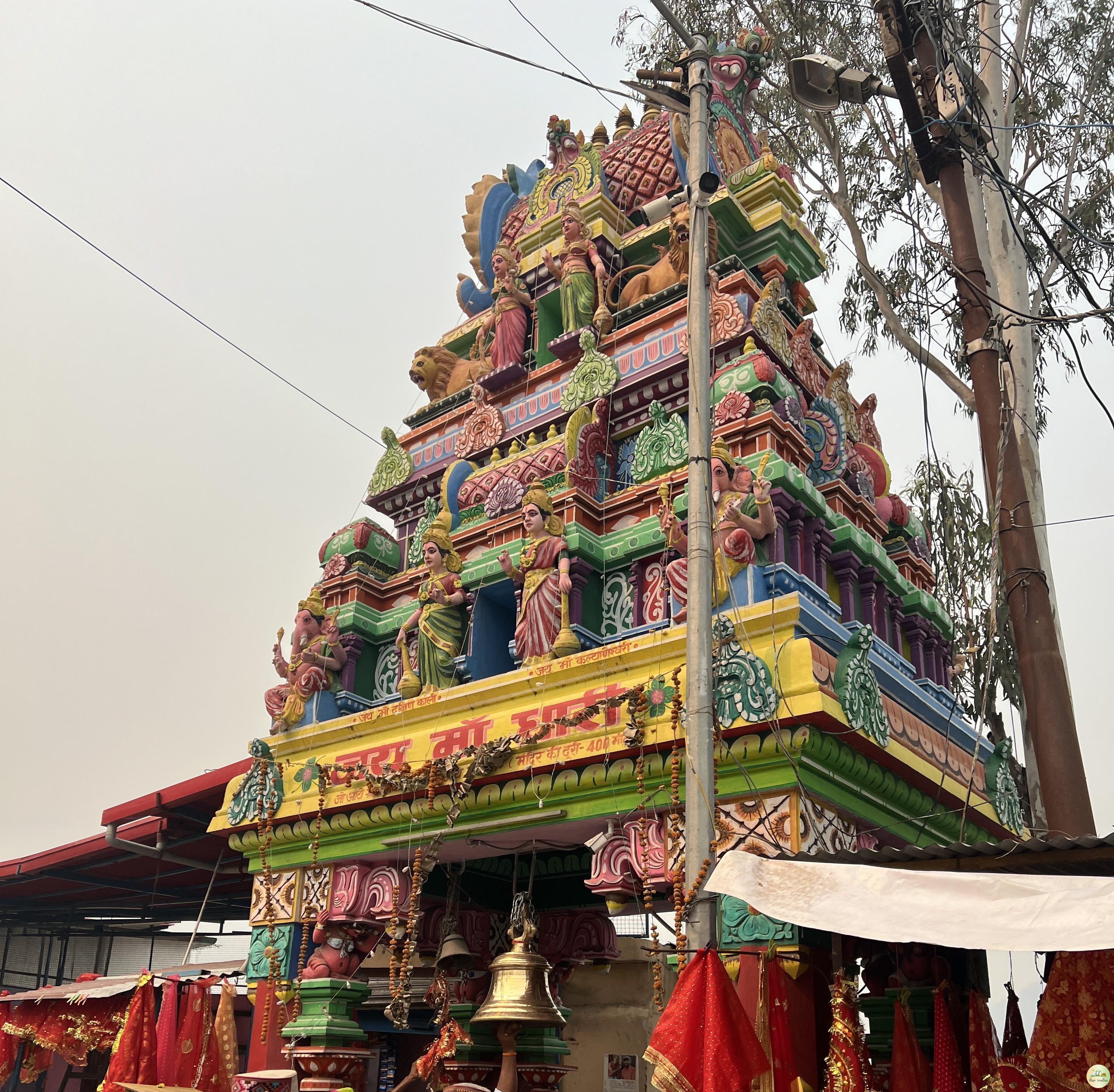
The temple is visible from the highway itself — a red-roofed structure perched on a high concrete platform right in the middle of the roaring Alaknanda river.
The Great Myth: Why Dhari Devi is Only the Upper Half of Kali

According to the Skanda Purana and local Garhwali legend
When Sati sacrificed herself in Daksha’s yagna, Lord Shiva carried her body and danced the Tandava of destruction. To stop him, Lord Vishnu cut Sati’s body into 52 pieces with his Sudarshan Chakra.
The upper half of Maa Kali fell exactly at the spot where the Dhari Devi temple stands today. That is why the idol has no lower body — only the torso, neck, and fierce face of Kali, adorned with silver eyes and a golden crown.
She is the “Uttari Shakti” (northern energy) that protects the entire route to Kedarnath and Badrinath.
The Second Legend: The Angry Goddess Who Changed the Course of Alaknanda
Centuries ago, the Alaknanda used to flow on the left (northern) side of the present temple rock.
Villagers say Dhari Devi became angry because a greedy priest tried to steal her gold ornaments. That night, the river roared, jumped its banks, and shifted to the right side — leaving the temple rock exactly in the middle of the river.
Even today, the old riverbed is visible as dry land on the left bank. Locals swear the river will never return to its old course as long as the goddess is worshipped.
The 2013 Kedarnath Disaster & the “Curse” Story
In June 2013, the government decided to build the 330 MW Srinagar Hydroelectric Project. To create the reservoir, they planned to submerge the original Dhari Devi temple.
On 14 June 2013, the idol was forcibly removed and kept in a shed at Kalyvasur.
Two days later — on 16–17 June 2013 — the Kedarnath tragedy happened. Flash floods killed thousands, and Srinagar town itself was nearly wiped out.
The entire valley exploded in protest: “You moved the guardian goddess — that’s why the disaster came!”
Within weeks, the government used massive cranes to lift the entire temple structure 25 metres higher and rebuild the platform. The idol was reinstalled with full Vedic rituals. Since then, no major disaster has hit the Char Dham route (locals credit Dhari Devi).
The Living Tradition: She Changes Her Mood Every Few Years
The idol of Dhari Devi is believed to change its expression every 3–7 years:
Sometimes she smiles like Durga
Sometimes she becomes furious like Kali
Once every few decades, she shows three faces (Triyambika form)
Priests say the mood predicts the coming years: a smiling face = peace and a good monsoon; an angry face = floods or earthquakes. In 2024–2025, she is in a calm, smiling form.

Practical Information & 2025 Updates
Best time to visit
Year-round. Winter (Dec–Feb), the river is lowest, and you can walk almost to the temple steps. Monsoon = thunderous roar.
How to reach the temple now
A strong iron suspension bridge (built in 2015) connects the highway to the temple island
150 steps down from the parking → cross bridge → 50 steps up to the temple
Total time: 15–20 minutes from the car
Darshan timing
6 AM – 7 PM (summer) | 7 AM – 6 PM (winter)
Aarti: Morning 7 AM & Evening just before sunset — most powerful experience
What to offer
Red chunari, coconut, red bangles, and desi ghee. Alcohol and non-veg are strictly prohibited — even carrying it near the temple is believed to anger her.
New facilities (2026)
Viewing the gallery on the highway (₹20) with binoculars
Changing rooms & clean toilets at the parking
Night floodlights on the idol (looks hauntingly beautiful after sunset)
Stay nearby
GMVN Kalyasaur (₹1500–2500)
Hotel Urvashi & many riverside resorts in Srinagar (15–18 km)
A Strict Warning from the Priests (Still Followed in 2026)
Never take photos of the idol directly — only the temple exterior.
Women must cover their heads properly inside the sanctum.
Never turn your back towards the goddess while leaving — walk backwards till you exit the main gate.
Dhari Devi is not a tourist spot.
She is the living, breathing protector of the Alaknanda valley.
Stand on the swaying bridge at sunset.
Listen to the roar of the river.
Watch the red tilak on her silver face glow under the floodlights.
And if the wind suddenly picks up and the bells ring on their own — bow your head.
The guardian goddess is watching.

Dhari Devi Temple – Frequently Asked Questions (FAQ) – Updated November 2025
Q1. Where exactly is the Dhari Devi temple located?
A: On NH-7 (Rishikesh–Badrinath highway) at Kalyasaur, 18 km before Srinagar Garhwal and 35 km before Devprayag. The temple sits on a raised concrete platform right in the middle of the Alaknanda River.
Q2. How do I reach the temple from the highway?
A: Park at the designated parking → walk 150 steps down → cross the 100-metre iron suspension bridge → climb 50 steps up to the temple. Total time: 15–20 minutes one way.
Q3. Why is the idol only the upper half of the body?
A: Dhari Devi is believed to be the upper half of Goddess Sati that fell here when Lord Vishnu cut her body with the Sudarshan Chakra. She is the “Uttari Shakti” (northern energy) of Maa Kali and one of the 52 Shakti Peethas.
Q4. Was the temple really lifted by crane in 2013?
A: Yes. The original temple was at river level. In June 2013, the entire structure + idol platform was raised 25 metres using heavy cranes for the Srinagar Hydro Project. Locals link the very next day’s Kedarnath disaster (16–17 June 2013) to “angering the goddess” by disturbing her original spot.
Q5. What are the darshan timings?
A: Summer (Apr–Oct): 6 AM – 7 PM
Winter (Nov–Mar): 7 AM – 6 PM
Morning aarti ~7 AM, Sandhya aarti just before sunset (must-attend).
Q6. Can we take photographs of the idol?
A: Strictly NO photography inside the sanctum or of the idol itself. You can click the temple exterior and the river view. Violators are asked to delete photos on the spot.
Q7. Is the temple open throughout the year?
A: Yes, 365 days. Even in heavy monsoon and winter snow, priests stay on the island 24×7.
Q8. Is the suspension bridge safe?
A: 100% safe. Built in 2015 by the Border Roads Organisation, it can hold 200+ people at once and sways only slightly for thrill.
Q9. How much time is required for darshan?
A: 45 minutes to 1.5 hours including walking and waiting in queue (longer on weekends and during Navratri).
Q10. What should we offer as prasad?
A: Red chunari, coconut, red bangles, sindoor, desi ghee, mishri. Non-veg, alcohol, and black cloth are strictly prohibited anywhere near the temple.
Q11. Does the goddess really change her expression?
A: Yes, according to priests and thousands of regular devotees. The silver mask changes mood every 3–7 years (smiling Durga face ↔ angry Kali face). In 2024–2025 she is in a calm, smiling form.
Q12. Can women enter the temple during periods?
A: No strict bar, but most local women avoid it out of tradition. The decision is left to the individual.
Q13. Is there any prasad or bhog distributed?
A: Yes — simple halwa–puri or kheer on normal days; special bhog prasad on Tuesdays, Ashtami, and during Navratri.
Q14. Are there changing rooms or toilets?
A: Clean paid toilets and changing rooms are available at the parking area (₹10–20).
Q15. Where can we stay nearby?
A: GMVN Kalyasaur Tourist Rest House (2 km, ₹1500–2500)
Hotel Urvashi, Srinagar (18 km)
Many budget hotels and homestays along the highway
Q16. Is Dhari Devi considered the protector of Char Dham?
A: Yes. Locals believe she is the “Dwar Rakshak” (gatekeeper) of Kedarnath and Badrinath. No Char Dham yatra is considered complete without her darshan and permission.
Q17. When is the temple most crowded?
A: Tuesdays, Ashtami tithis, entire Navratri (especially 7th–9th days), and weekends of May–June & Sept–Oct.
Q18. Can senior citizens and children visit easily?
A: Moderately difficult. There are 200+ steps + bridge. Doli (palanquin) service is available for elderly (₹500–800 round trip).
Q19. Any new facilities in 2025?
A: Highway-side viewing gallery with binoculars (₹20)
Night floodlights on the idol (visible from road after sunset)
Small cafeteria at parking
Q20. Final question everyone asks – Is she really “alive” and angry if disrespected?
A: Ask any truck driver on the Char Dham route or any survivor of the 2013 disaster. They will tell you with folded hands:
“Yes. Never joke, never click her photo, never turn your back while leaving.
Maa Dhari is watching — always.”
Bow your head on the bridge, listen to the bells ringing in the wind, and you’ll feel her presence in the roar of Alaknanda.
Jai Dhari Devi!