
Jibhi Travel Guide: Trip Planning & 3-Day Itinerary
Published on October 24, 2025
Jibhi is a peaceful mountain destination in the Kullu region of Himachal Pradesh, surrounded by forested hills, streams, traditional settlements and easy access to the wider Tirthan Valley and Jalori Pass region.
A good Jibhi itinerary is not about covering as many places as possible. Mountain-road travel takes time, higher routes can be affected by weather, and short hikes are more enjoyable when your schedule has enough flexibility.
For most first-time travellers, 2 Nights / 3 Days works well for combining Jibhi, Jalori Pass, Serolsar Lake and Tirthan Valley without making the trip unnecessarily rushed.
This Jibhi travel guide focuses specifically on trip planning, itinerary, accommodation, local movement, meals and practical travel tips.
Jibhi Travel Guide at a Glance
Recommended Duration: 2 Nights / 3 Days
Ideal For: Couples, friends, solo travellers & families
Trip Style: Nature, sightseeing, short hikes & slow travel
Main Base: Jibhi / nearby Banjar Valley
Popular Experiences: Jibhi local exploration, Jalori Pass, Serolsar Lake & Tirthan Valley
Accommodation: Homestays, cottages, camps & small hotels
Daily Planning: One major experience per day
Travel Tip: Keep enough flexibility for mountain-road and weather conditions
How Many Days Are Enough for Jibhi?

2 Nights / 3 Days
A 3-day Jibhi itinerary is suitable for travellers planning a short getaway.
It gives enough time for:
- Local Jibhi exploration
- Jalori Pass
- Serolsar Lake
- Tirthan Valley
- Short nature walks
The key is to avoid adding too many distant attractions to the same day.
3 Nights / 4 Days
Consider an extra night if you are travelling with family, prefer slower travel or want more time around Tirthan Valley.
An additional day also provides useful flexibility if weather or road conditions affect the original plan.
Jibhi 3-Day Itinerary
Day 1: Arrival in Jibhi & Local Exploration
After reaching Jibhi, check into your accommodation and keep the first day relatively relaxed.
Depending on your arrival time, you can explore:
- Jibhi Waterfall
- Local village surroundings
- Riverside areas
- Cafés
- Short nature walks
After a long road journey, avoid immediately adding a demanding trek.
Use the evening to rest and confirm the next day's vehicle, weather and departure time.
For a detailed sightseeing list, read our Places to Visit in Jibhi guide.
Day 2: Jalori Pass & Serolsar Lake
Keep the second day for your main mountain experience.
Start early towards Jalori Pass, depending on current road accessibility and weather conditions.
From the Jalori Pass side, travellers commonly continue towards Serolsar Lake on foot through a forested trail.
Carry:
- Comfortable walking shoes
- Water
- Light snacks
- Sunglasses
- An extra layer
- Rain protection when required
Do not treat Serolsar Lake as compulsory if weather, road or trail conditions are unsuitable.
Higher mountain access can change, particularly during snow, heavy rain or temporary road restrictions.
Day 3: Tirthan Valley & Departure
After breakfast and check-out, use the final day for the wider Tirthan Valley region.
Depending on your available time, choose a lighter experience such as:
- Riverside walk
- Village exploration
- Short nature trail
- Photography
- Local café stop
The Tirthan region is also associated with the wider Great Himalayan National Park landscape. The Himachal Pradesh Forest Department officially lists Great Himalayan National Park among the state's protected national parks.
If you want to explore the national park properly, plan it as a separate nature-focused experience rather than trying to fit it into a quick departure-day stop.
Begin your return journey with enough buffer for mountain traffic and road delays.
Where to Stay in Jibhi

Your accommodation location can affect the entire trip.
Common options include:
- Homestays
- Wooden cottages
- Small hotels
- Camps
- Hostels
- Guesthouses
Stay in Jibhi
Main Jibhi works well for first-time travellers who want easy access to local walks, cafés and nearby sightseeing.
Stay Near Shoja
Shoja can be useful for travellers prioritising the Jalori Pass side of the trip.
Stay Around Tirthan Valley
A stay closer to Tirthan can suit travellers who prefer river surroundings, quieter villages and nature-focused travel.
For a short 2-night trip, changing accommodation every night is usually unnecessary.
What to Check Before Booking a Stay
Do not select accommodation only from photographs.
Confirm:
- Exact map location
- Vehicle accessibility
- Parking availability
- Room-sharing category
- Breakfast and dinner availability
- Hot-water arrangement
- Electricity backup
- Cancellation policy
A well-located homestay can often be more practical than a visually impressive property that requires unnecessary travel every day.
Local Transport in Jibhi

Local transport should be planned according to your itinerary.
Private Cab
A private cab gives couples and families more flexibility with departure and return timings.
Group Vehicle
Travellers on group trips may use a Tempo Traveller or similar vehicle according to group size.
Self-Drive
Self-driving gives flexibility, but mountain-road experience is important.
Narrow roads, rain, fog, snow and steep sections can make Himalayan driving very different from city driving.
For complete Delhi, Chandigarh, bus, train and airport information, use our How to Reach Jibhi guide.
Food & Meal Planning
Mountain itineraries work better when meals are planned around activity timings.
Breakfast
If you are leaving early for Jalori Pass, confirm breakfast timing with your accommodation the previous evening.
Lunch
Keep lunch flexible during sightseeing or hiking days.
Carry a few simple snacks such as dry fruits, nuts or energy bars.
Dinner
Homestays and camps may serve dinner during fixed timings, so inform the property if you expect to return late.
If you have dietary restrictions or allergies, communicate them before arrival.
What to Pack for Jibhi
Pack according to the season rather than carrying excessive luggage.
Clothing
Carry:
- Comfortable travel clothes
- Warm layer
- Light jacket
- Extra socks
- Weather-appropriate outerwear
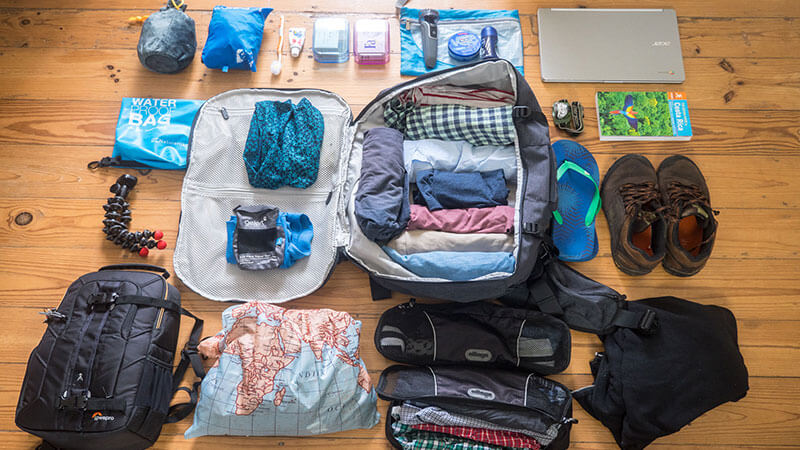
Footwear
Shoes with good grip are useful for waterfalls, forest trails and Serolsar Lake.
Avoid wearing completely new shoes for a hiking day.
Day Bag Essentials
Keep a small backpack with:
- Water
- Snacks
- Personal medicines
- ID
- Power bank
- Sunglasses
- Sunscreen
- Rain protection
For seasonal temperatures, rainfall and snowfall conditions, read our Jibhi Weather & Climate guide.
Carry Cash & Save Important Information Offline
Do not depend completely on mobile data or digital payments during a mountain trip.
Carry some cash for:
- Small cafés
- Local transport
- Minor purchases
- Emergency expenses
Save these details offline before departure:
- Accommodation location
- Property contact
- Driver number
- Booking confirmation
- Travel tickets
- Emergency contacts
Mobile connectivity can vary according to your location and network provider.
When Should You Visit Jibhi?
Your ideal travel period depends on whether you prefer comfortable walking conditions, green monsoon landscapes, clear autumn weather or colder winter experiences.
This Travel Guide intentionally does not repeat a complete month-by-month seasonal calendar.
Use our dedicated Best Time to Visit Jibhi guide to choose your travel season.
Jibhi Trip Planning for Different Travellers
Couples
Keep the itinerary relaxed.
Combine one major activity with enough free time for cafés, walks and quiet evenings.
Friends
Agree before departure whether the trip is primarily for sightseeing, hiking or relaxation.
This prevents different expectations within the group.
Families
Plan according to the least mobile family member.
Do not make every hike compulsory for children, parents or senior travellers.
Solo Travellers
Keep accommodation and transport details offline, tell your stay where you are heading for longer walks and avoid unfamiliar trails after dark.

Common Jibhi Trip Planning Mistakes
Trying to Cover Too Many Places
One major experience per day usually works better.
Booking a Stay Without Checking Its Location
A property using “Jibhi” in its name may still be several kilometres from your planned activities.
Starting Jalori Pass Too Late
An early start provides more daylight and flexibility.
Assuming Every Road Is Always Accessible
Higher routes can be affected by rain, snow and local road conditions.
Depending Completely on UPI
Always carry some cash.
Booking a Tight Return Connection
Avoid scheduling a flight or train immediately after your expected return from the mountains.
Independent Jibhi Trip vs Organised Trip
Planning independently works well if you already have transport, enjoy booking accommodation yourself and want complete flexibility.
An organised trip can be more convenient when you prefer transport, accommodation, selected meals and trip coordination to be arranged together.
Travellers looking for an organised trip from Delhi can explore our Jibhi Tour Package from Delhi.
Keep the package page for pricing, inclusions, departure details and booking information, while this guide remains focused on independent Jibhi trip planning and itinerary.
Responsible Travel in Jibhi

Jibhi and Tirthan are mountain communities surrounded by environmentally sensitive landscapes.
Travel responsibly:
- Carry your waste back
- Avoid littering near streams
- Reduce single-use plastic
- Keep music low in natural areas
- Respect private homes and farmland
- Stay on recognised trails
- Follow local and forest instructions
The Himachal Pradesh Forest Department provides official information about the Great Himalayan National Park and the region's protected natural landscape.
Frequently Asked Questions About Jibhi Trip Planning
1. How many days are enough for Jibhi?
A 2 Nights / 3 Days trip is sufficient for a focused first visit covering Jibhi, Jalori Pass, Serolsar Lake and part of the Tirthan Valley region.
2. Is 3 days enough for Jibhi and Tirthan Valley?
Yes. Keep one major activity per day and avoid trying to cover every nearby attraction.
3. Should I stay in Jibhi or Tirthan Valley?
Jibhi works well for a compact first trip and access towards the Jalori Pass side. Tirthan Valley suits travellers wanting more river- and nature-focused time.
4. Do I need to change hotels during a 3-day trip?
Usually not. One well-located accommodation base saves time.
5. Is Jibhi suitable for couples?
Yes. Jibhi works particularly well for couples interested in nature, short hikes, cafés and a relaxed mountain experience.
6. Is Jibhi suitable for families?
Yes. Families should adjust hikes and daily travel according to the fitness and mobility of individual members.
7. Is Jalori Pass always accessible?
No. Access can be affected by snow, rain, road conditions or temporary restrictions. Check current conditions before travelling.
8. Should I carry cash in Jibhi?
Yes. Carry some cash because network connectivity and digital-payment availability can vary.
Final Thoughts
A good Jibhi trip does not need a complicated itinerary.
For a first visit, keep 2 Nights / 3 Days, use one accommodation base, explore Jibhi locally on arrival, keep the main mountain day for Jalori Pass and Serolsar Lake, and use the final day for Tirthan Valley before departure.
Arrange important transport in advance, save travel information offline and remain flexible when mountain conditions change.
That simple approach gives you more time to experience Jibhi instead of spending the entire trip rushing between checklist attractions.


