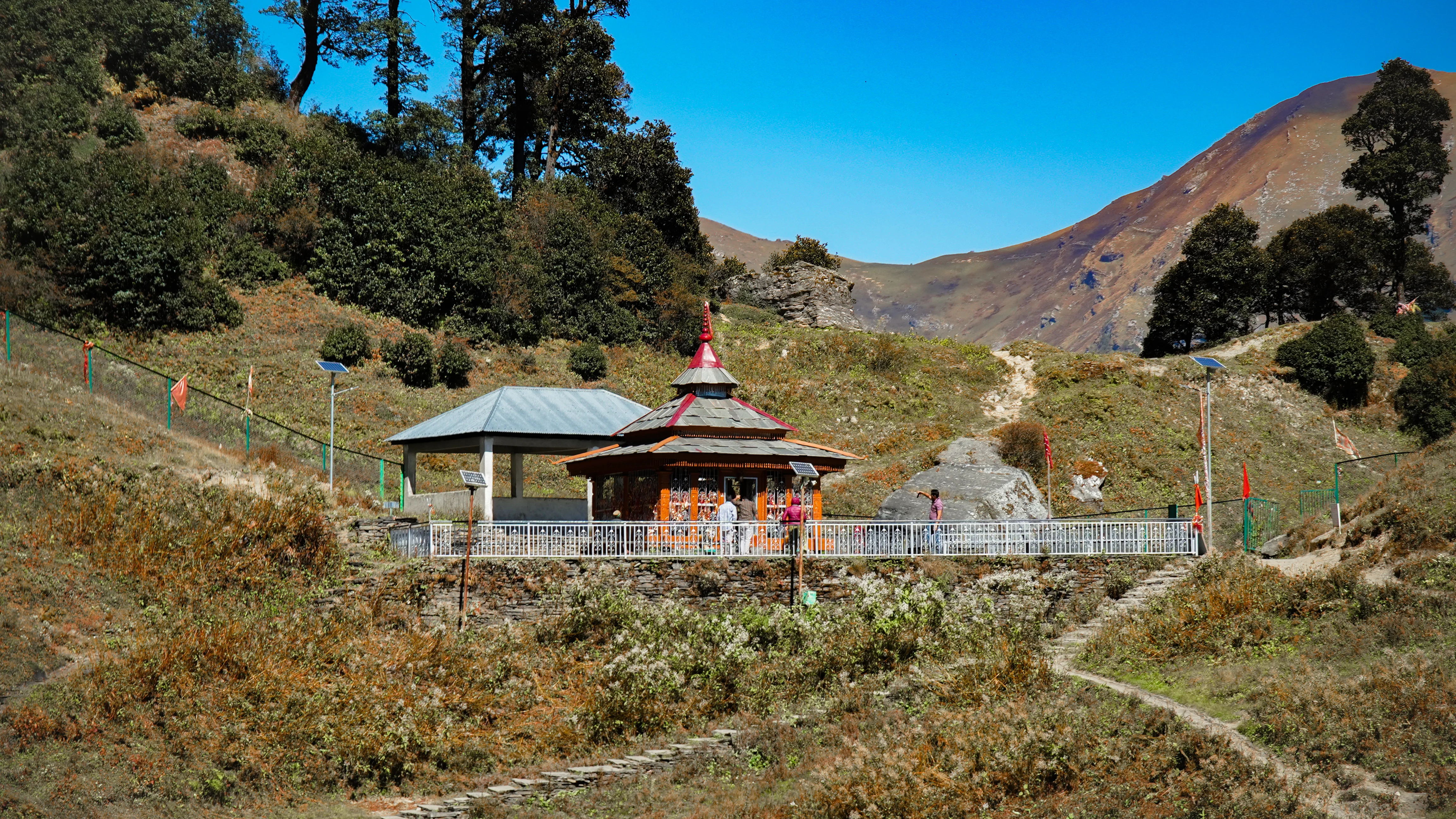
Jalori Pass
Published on April 03, 2025
Jalori Pass is one of the most scenic high-altitude road and trekking destinations in the Kullu region of Himachal Pradesh. Surrounded by forested mountains and connected with popular trails towards Serolsar Lake and Raghupur Fort, the pass is a favourite day excursion for travellers staying in Jibhi, Shoja and the wider Banjar Valley.
Unlike Jibhi, Jalori Pass is not a destination where most travellers spend several days sightseeing. Its real value is as a high mountain viewpoint, scenic drive and starting point for two very different hiking experiences.
That distinction matters when planning your trip. You can simply drive to the pass and enjoy the mountain surroundings, or dedicate several additional hours to a trek. Weather, snowfall, road conditions and available daylight should decide your plan rather than a fixed sightseeing checklist.
This Jalori Pass travel guide covers where the pass is located, how to reach it, the best time to visit Jalori Pass, nearby treks, stay options, road conditions and practical travel tips for a well-planned trip.
Jalori Pass Quick Information
| Detail | Information |
|---|---|
| Location | Kullu region, Himachal Pradesh |
| Altitude | Above 3,000 metres |
| Popular Base | Jibhi and Shoja |
| Known For | Mountain views, scenic drive and trekking |
| Popular Treks | Serolsar Lake and Raghupur Fort |
| Ideal Trip Type | Day excursion from Jibhi/Shoja |
| Trek Level | Easy to moderate depending on route and conditions |
| Winter Access | Subject to snowfall and road conditions |
| Recommended Start | Morning |

Where Is Jalori Pass?
Jalori Pass lies in the Kullu district region of Himachal Pradesh and connects the Banjar side with areas towards Ani.
For most tourists, the pass is approached from Jibhi → Shoja → Jalori Pass.
Jibhi is commonly used as a base because it has a wider selection of homestays, cottages and cafés. Shoja lies closer to the pass and can be more convenient for travellers whose main priority is trekking and mountain views.
The official Himachal Tourism guide also identifies Shoja as a base for treks towards Jalori Pass and Serolsar Lake.
Why Visit Jalori Pass?
The journey to Jalori Pass is part of the experience.
As you travel above Jibhi and Shoja, the landscape gradually changes from village surroundings to thicker mountain forest and more open high-altitude views.
Travellers mainly visit Jalori Pass for:
-
Scenic Himalayan landscapes
-
Mountain photography
-
Forest walks
-
Short trekking experiences
-
Serolsar Lake
-
Raghupur Fort
-
A day excursion from Jibhi
-
Snow experiences when conditions permit
Jalori works particularly well for couples, groups of friends, photographers and beginners who want a Himalayan trekking experience without immediately committing to a multi-day expedition.
How to Reach Jalori Pass
Jalori Pass from Jibhi
Jibhi is one of the most practical starting points.
The usual route is:
Jibhi → Shoja → Jalori Pass
Although the road distance may appear short on a map, mountain driving should never be planned purely according to kilometres.
The road climbs considerably after Jibhi and includes narrow sections, bends and changing surface conditions. Rain, fog, snow, traffic and temporary road work can all increase travel time.
Start in the morning instead of leaving late in the afternoon, especially when you plan to trek after reaching the pass.
For Delhi, Chandigarh, bus, airport and wider road connectivity, use our detailed How to Reach Jibhi guide.
Jalori Pass from Shoja
Shoja is closer to Jalori Pass than Jibhi and makes a good base for travellers primarily interested in the Jalori side of the region.
Staying here can reduce your morning road journey and help you begin a trek earlier.
However, accommodation and dining options may be more limited than in the wider Jibhi region, so choose your base according to the overall trip rather than distance alone.
Jalori Pass from Delhi
Most Delhi travellers first reach the Jibhi/Banjar region and then visit Jalori Pass as a separate local excursion.
A commonly used road approach is:
Delhi → Chandigarh → Bilaspur → Mandi → Aut → Banjar → Jibhi → Shoja → Jalori Pass
Rather than attempting Delhi to Jalori Pass as one continuous sightseeing day, stay in or around Jibhi first and keep Jalori Pass for the following morning.
This provides a safer and much more relaxed mountain itinerary.
Is the Jalori Pass Road Difficult?
The upper road towards Jalori Pass requires more attention than ordinary highway driving.
Sections may be:
-
Narrow
-
Steep
-
Snow-covered in winter
-
Slippery after rain
-
Foggy during poor weather
-
Affected by temporary road restrictions
Travellers without mountain-driving experience may find a local cab more comfortable than self-driving.
Even if Jibhi and Shoja are accessible, never assume that the final road to Jalori Pass is also open. Higher-altitude road conditions can be completely different.
Check with your accommodation, driver or local authorities on the morning of your journey.
The Kullu District Administration also maintains official regional information relating to Jalori Pass and Serolsar Lake.
Best Time to Visit Jalori Pass
There is no single month that suits every traveller. The best time to visit Jalori Pass depends on whether your priority is trekking, greenery, clear mountain views or snow.
April to June
Late spring and early summer are among the most convenient periods for a Jalori Pass trip.
Conditions are generally more suitable for:
-
Scenic drives
-
Trekking
-
Forest walks
-
Photography
-
Serolsar Lake
-
Raghupur Fort
Even during warmer months, Jalori Pass can feel considerably cooler than the plains and lower valleys, so carry an extra layer.
July to September
The monsoon transforms the region into a lush green landscape, but it also demands more flexibility.
Rain can result in:
-
Slippery trails
-
Mud
-
Reduced visibility
-
Fog
-
Longer road journeys
-
Temporary landslide or road disruption
If rain is heavy, do not force a trek simply because it was included in your itinerary.
October to November
Autumn is an excellent period for travellers interested in clearer mountain views, cooler walking temperatures and photography.
Morning and evening temperatures become colder, so warm clothing becomes increasingly important.
Start early because daylight hours reduce as winter approaches.
December to March
Winter travel is highly dependent on snowfall.
Snow can make the region beautiful, but it may also block vehicle access to Jalori Pass or cover normal trekking trails.
There is no sensible way to guarantee road access or snowfall for a specific travel date months in advance.
Always confirm current conditions locally before starting.
Best Things to Do at Jalori Pass
1. Enjoy the Jalori Pass Viewpoint
You do not have to trek to enjoy Jalori Pass.
For many travellers, simply reaching the high mountain pass, spending time in the surrounding forest landscape and enjoying the views is enough.
This is particularly suitable for families or travellers who do not want a long walk.
Avoid stopping vehicles at unsafe bends or blocking the road for photographs.
2. Trek to Serolsar Lake
Serolsar Lake is the most popular trekking excursion from the Jalori Pass side.
The trail moves through a peaceful forest and is commonly selected by first-time trekkers because it does not normally require technical mountaineering skills.
However, it is still a mountain trail. Rain, snow, ice, fatigue and poor footwear can change the difficulty considerably.
Instead of duplicating all route and trek information here, use our complete Serolsar Lake Trek guide for distance, difficulty, trail planning and practical tips.
Keep enough daylight for both the outward and return walk.
3. Trek Towards Raghupur Fort
Raghupur Fort offers a different experience from Serolsar Lake.
Rather than a forest-and-lake destination, this route is known for forest sections followed by open meadow scenery, mountain views and remains of old stone fortifications.
The landscape is the main attraction; visitors should not expect a fully preserved fort complex.
If open ridges, grasslands and photography interest you more than a lake trail, read our dedicated Raghupur Fort Trek guide.
For most first-time travellers, choosing either Serolsar Lake or Raghupur Fort makes more sense than rushing both into the same few hours.
Serolsar Lake or Raghupur Fort: Which Trek Is Better?
Choose Serolsar Lake if you prefer:
-
Dense forest
-
A lake destination
-
A popular beginner-friendly day hike
-
Shaded trail surroundings
Choose Raghupur Fort if you prefer:
-
Open meadows
-
Wider mountain views
-
Photography
-
Ridge landscapes
-
Historical ruins
Both routes depend on Jalori Pass access.
If you have only one day, choose the trek that matches your interests instead of trying to complete both.
How Much Time Do You Need at Jalori Pass?
If you are visiting only the pass and not undertaking a trek, a few hours including the road journey may be enough.
For a trek to Serolsar Lake or Raghupur Fort, keep most of the day available.
A practical schedule is:
Morning: Leave Jibhi or Shoja early
Late Morning: Reach Jalori Pass and begin your selected activity
Afternoon: Complete the trek and return to the pass
Evening: Drive back towards Shoja/Jibhi before it becomes too late
Do not calculate timings too tightly. Mountain travel always benefits from additional buffer.
Where to Stay for Jalori Pass
Jibhi
Jibhi is the most balanced base for a first trip.
It provides access to local sightseeing, cafés, accommodation and excursions towards both Jalori Pass and Tirthan Valley.
Shoja
Shoja is better for travellers who want to stay closer to Jalori Pass and prioritise trekking.
Its quieter setting also appeals to travellers looking for a less commercial mountain stay.
For travellers who want Delhi transport, accommodation, selected meals and regional sightseeing organised together, the Jibhi & Tirthan Valley Tour Package includes the wider Jibhi, Jalori Pass and Serolsar Lake circuit subject to current accessibility.
What to Carry for a Jalori Pass Trip
You do not need expedition-level gear for an ordinary sightseeing visit, but mountain conditions can change quickly.
Carry:
-
Comfortable walking or trekking shoes
-
Reusable water bottle
-
Light snacks
-
Warm layer or jacket
-
Rain protection when required
-
Sunglasses
-
Sunscreen
-
Personal medicines
-
Power bank
-
Some cash
-
Small day backpack
For winter travel, clothing requirements become significantly heavier.
Do not attempt snow-covered trails in casual footwear simply because other tourists appear to be doing so.

Important Jalori Pass Travel Tips
Start early: Morning travel gives you more daylight and flexibility.
Check road access: Do not assume that because Jibhi is open, Jalori Pass is also accessible.
Choose one major trek: Serolsar Lake and Raghupur Fort are better enjoyed separately than rushed together.
Wear proper footwear: Forest trails can become muddy, icy or slippery.
Keep weather flexibility: A good mountain itinerary always has an alternative plan.
Carry cash: Digital payments and mobile networks may not work consistently everywhere.
Avoid night driving: If possible, complete the upper mountain-road section during daylight.
Respect local surroundings: Keep music low, do not litter and avoid disturbing religious places, residents or livestock.
Responsible Travel at Jalori Pass
The popularity of Jalori Pass also creates pressure on its natural surroundings.
Carry back bottles, wrappers, tissues and other waste instead of leaving them beside trails or viewpoints.
Do not carve names into trees, damage remaining stone structures, pick plants unnecessarily or create fires in forest and grassland areas.
Use reusable bottles where practical and support locally operated cafés, drivers, homestays and guides.
Responsible tourism is especially important in mountain destinations because waste removal and infrastructure are far more difficult than in major cities.
Frequently Asked Questions About Jalori Pass
1. Where is Jalori Pass located?
Jalori Pass is located in the Kullu region of Himachal Pradesh and is commonly approached through Banjar, Jibhi and Shoja.
2. How far is Jalori Pass from Jibhi?
Jalori Pass is a relatively short mountain-road excursion from Jibhi, but travel time depends more on road, weather and traffic conditions than distance alone. Keep sufficient time and avoid planning the journey too tightly.
3. What is the best time to visit Jalori Pass?
Late spring, early summer and autumn are generally convenient for trekking and sightseeing. Monsoon requires greater caution because of rain, while winter access depends heavily on snowfall and road conditions.
4. Is Jalori Pass accessible throughout the year?
No. Road access is not guaranteed throughout the year. Heavy snowfall, rain, road work or temporary restrictions can affect the upper route. Always verify current access before travelling.
5. Can beginners visit Jalori Pass?
Yes. Simply visiting Jalori Pass does not require trekking experience. Beginners with reasonable fitness can also consider nearby hikes in suitable weather, but trail difficulty changes with snow, mud, rain and personal fitness.
6. Which trek starts from Jalori Pass?
The two best-known excursions are Serolsar Lake and Raghupur Fort. They offer different landscapes and should be selected according to your interests, fitness and available daylight.
7. Is Serolsar Lake near Jalori Pass?
Yes. Jalori Pass is the regular starting side for the Serolsar Lake trek. The journey continues on foot through a forest trail rather than by ordinary tourist vehicle.
8. Is Raghupur Fort worth visiting?
Raghupur Fort is worth considering if you enjoy trekking, open meadows and broad mountain views. The remaining fort structures are modest, so the landscape is a major part of the experience.
9. Can I visit Jalori Pass and Serolsar Lake in one day?
Yes, travellers commonly combine Jalori Pass with the Serolsar Lake trek when road, trail and weather conditions are suitable. Start early and keep enough time for the return journey.
10. Should I stay in Jibhi or Shoja for Jalori Pass?
Jibhi is better for travellers wanting a wider selection of stays, cafés and sightseeing. Shoja is useful if your main priority is quick access towards the Jalori Pass side.
Final Thoughts
Jalori Pass is best experienced as more than another item on a Jibhi sightseeing checklist.
The climb through mountain roads, changing forest scenery and choice between two very different treks make it one of the most rewarding day excursions in the Banjar region.
Plan according to current road and weather conditions, begin early and avoid trying to fit every nearby attraction into one day. Choose Serolsar Lake for a forest-and-lake experience or Raghupur Fort for meadows and ridge views—or simply spend time around Jalori Pass itself if you prefer a relaxed mountain outing.
With realistic planning and responsible travel, a Jalori Pass trip can become one of the highlights of a Jibhi and Himachal Pradesh itinerary.