
Sangla Holi 2026: A Peaceful Himalayan Festival Experience
Published on January 30, 2026 | Updated on August 28, 2026
Author: Ashutosh Sharma
Travel Writer & Himalayan Culture Explorer | 15+ Years of Mountain Travel Experience
I am a travel enthusiast based in Bareilly with over 15 years of experience exploring lesser-known Himalayan regions across Himachal Pradesh and Uttarakhand. I have visited Sangla Valley multiple times in different seasons, including during Holi celebrations, to understand its cultural depth and local traditions.
Sangla Holi 2026: A Peaceful Himalayan Festival Experience
This Sangla Holi 2026 travel guide is written using my personal travel experiences, regional insights, and recent traveller feedback to ensure authenticity, accuracy, and real-world usefulness for readers planning an offbeat Holi experience in the Himalayas.
When most people in India think about Holi, the first images that come to mind are loud music, crowded streets, and clouds of bright colours in big cities like Mathura, Vrindavan, or Delhi. But far away from the chaos, tucked deep inside the Kinnaur district of Himachal Pradesh, Sangla celebrates Holi in a completely different rhythm—slow, soulful, and deeply rooted in local tradition. Experiencing Holi in Sangla Valley feels less like attending a festival and more like becoming part of a mountain community, even if only for a day.
Sangla is already renowned for its raw Himalayan beauty, apple orchards, traditional wooden houses, and peaceful atmosphere. During Holi, this quiet village doesn’t suddenly turn loud or commercial. Instead, the festival blends naturally into everyday village life. Locals greet each other with soft smiles, gentle gulal on the forehead, and warm cups of tea. The celebration feels intimate, making Sangla Holi one of the most peaceful Holi experiences in Himachal Pradesh.
If you’re planning a Sangla Holi trip, this itinerary is your perfect guide. It includes a detailed day-by-day schedule, travel routes, accommodation overview, and insights into local Holi celebrations in the valley. Get Sangla Holi Trip Itinerary
A Different Meaning of Holi in the Himalayas
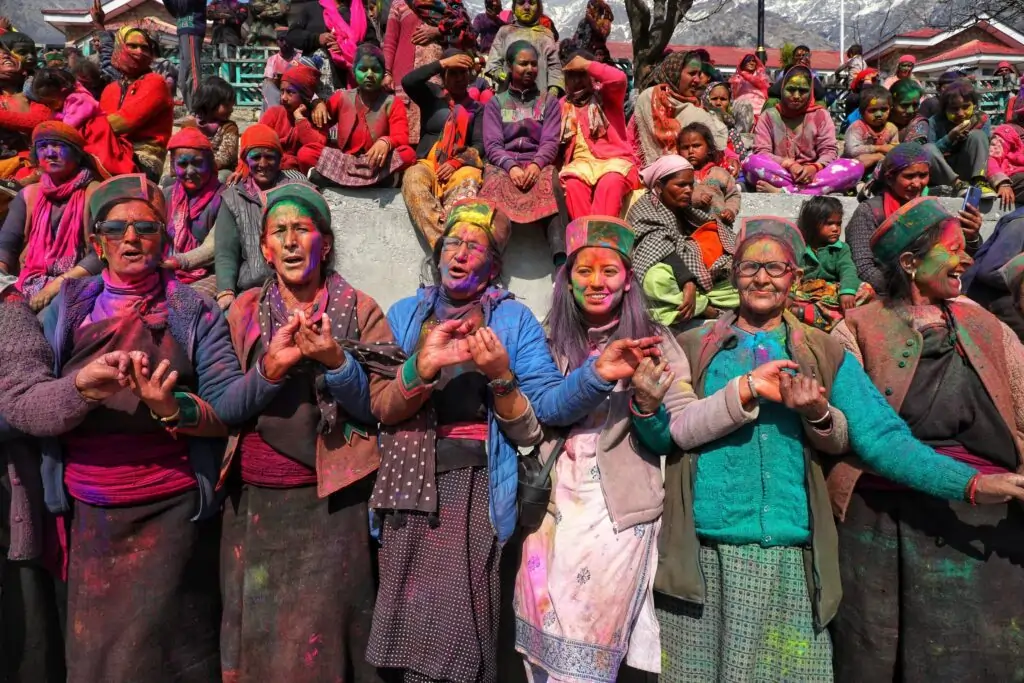
In Sangla, Holi is less about aggressive colour play and more about togetherness. The festival is primarily celebrated by local families who adhere to age-old customs passed down through generations. People gather near temples or common village spaces, singing folk songs and exchanging traditional greetings. The colours used are minimal and often natural, unlike the chemical-heavy powders seen in urban Holi celebrations.
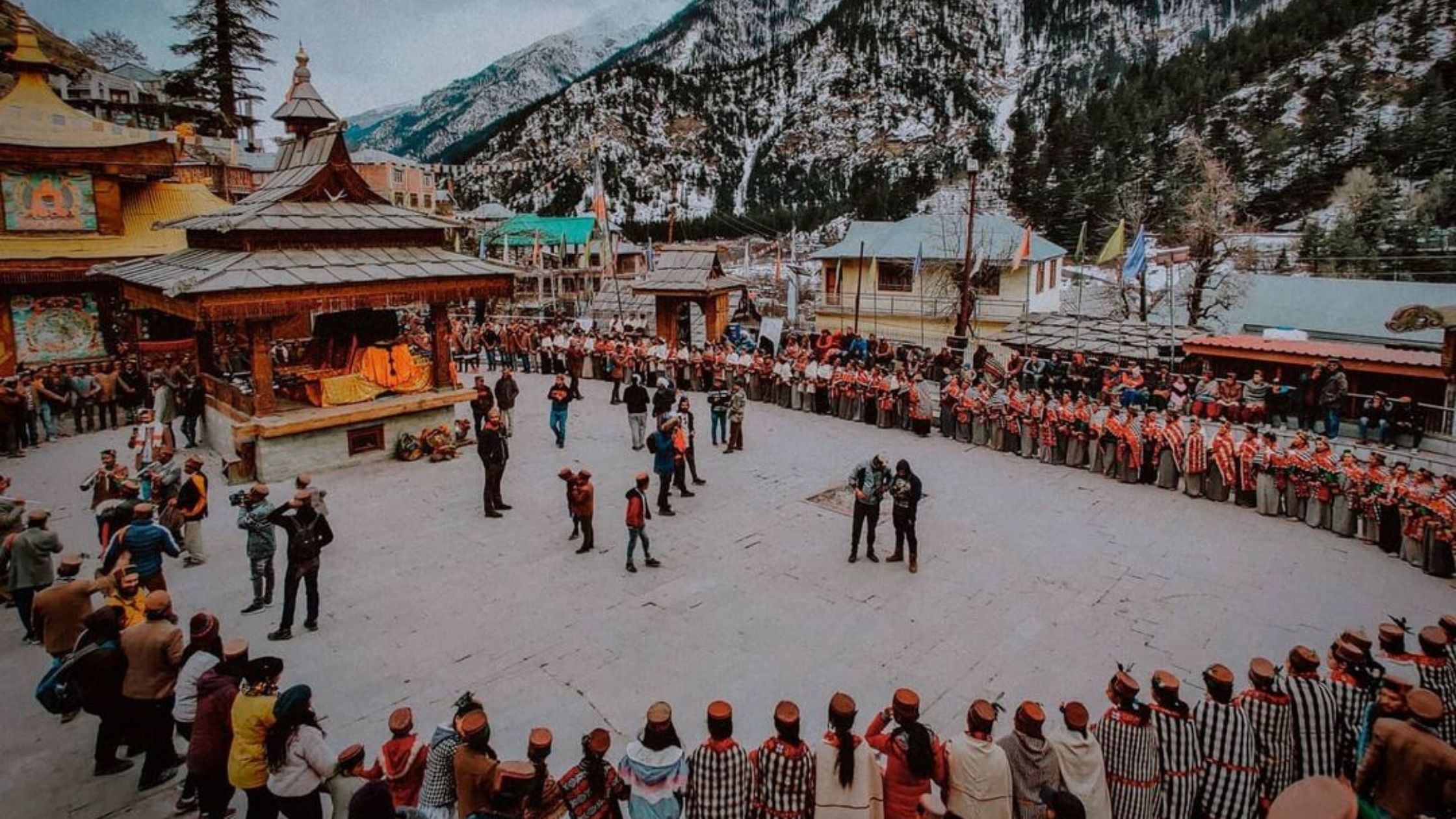
This makes Holi in Sangla Valley ideal for travellers who want to experience the festival in a calm, respectful environment. You won’t find DJs or party crowds here. Instead, you’ll hear laughter, local dialects, and sometimes the sound of traditional instruments echoing against snow-capped mountains.
Sangla Holi and Local Culture
What truly sets Sangla Holi apart is how closely it is connected to Kinnauri culture. The people of Sangla treat Holi as a social festival rather than a spectacle. Elders bless the younger generation, families visit each other’s homes, and guests are welcomed with homemade food. For travellers, this offers a rare chance to witness authentic Himachali Holi traditions without filters or performances staged for tourists.
Traditional attire adds colour to the celebration. Men often wear woollen caps and jackets, while women dress in beautifully patterned shawls and silver jewellery. Even a small splash of gulal against this backdrop feels meaningful. If you’re interested in offbeat Holi destinations in India, Sangla should be high on your list.
Nature as the Real Highlight
One of the most unforgettable parts of celebrating Holi in Sangla is the setting itself. Snow-covered peaks, pine forests, and the Baspa River flowing quietly nearby create a surreal atmosphere. While cities drown in noise during Holi, Sangla remains peaceful. After a short celebration, people return to their routines—some head to their fields, others sit in the sun, enjoying the crisp mountain air.
For photographers and slow travellers, Sangla Holi 2026 (and every year after) offers moments that feel untouched and real. A child laughing with colour on their cheeks, elders chatting outside wooden homes, prayer flags fluttering gently—these are the scenes that stay with you long after the trip ends.
Food, Warmth, and Simple Joys
Food plays a quiet but important role during Sangla Holi. Locals prepare simple, hearty meals using regional ingredients. Dishes are not overly festive or elaborate, but they carry the comfort of home cooking. Sharing food with locals during Holi is often the most memorable part for visitors, as it breaks barriers without needing words.
This simplicity is what makes Holi celebrations in Sangla feel genuine. There is no rush to “do” too much. Everything happens naturally, at its own pace—just like life in the mountains.
Why Sangla Holi is Perfect for Conscious Travelers
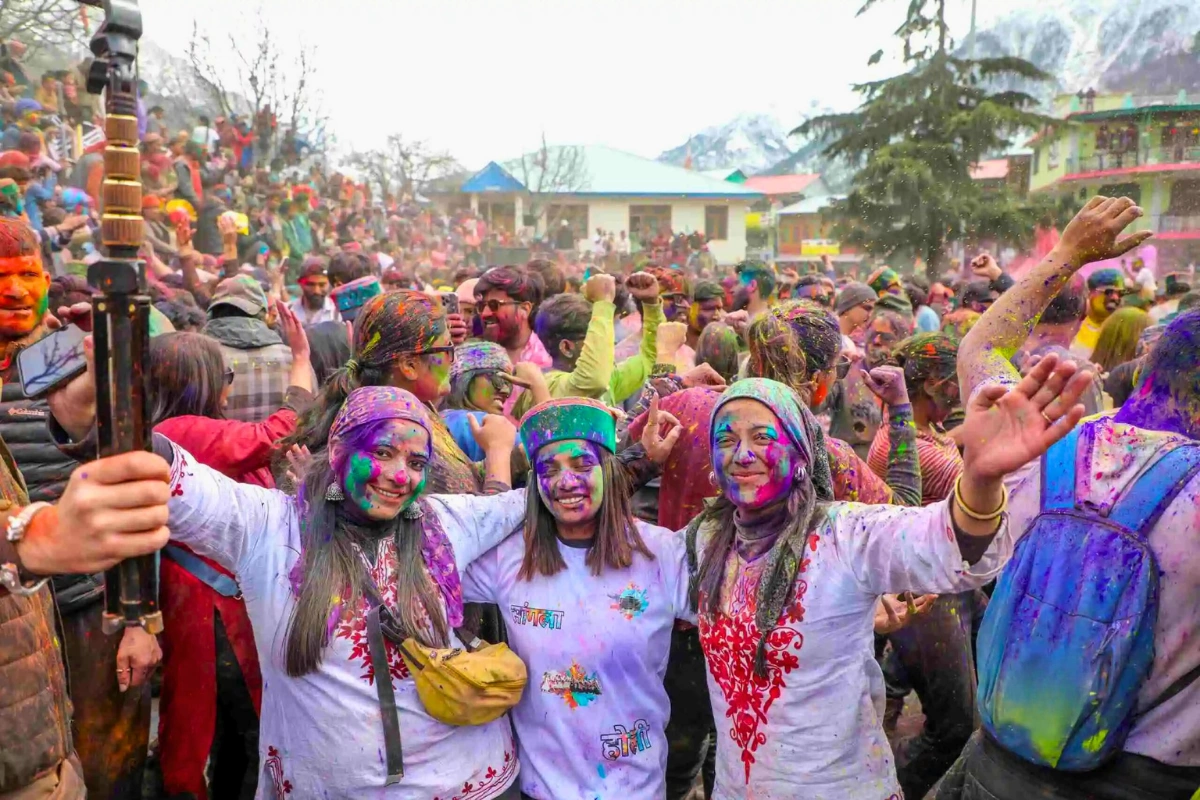
If you’re someone who avoids overcrowded festivals, loud parties, or excessive commercialisation, Sangla offers a refreshing alternative. It’s a destination where you can celebrate Holi while respecting local culture and nature. The village doesn’t try to impress visitors; it simply invites them to observe, participate gently, and understand.
With growing interest in quiet Holi destinations, Holi in Himachal Pradesh, and eco-friendly travel, Sangla fits perfectly into the mindset of modern travellers looking for meaningful experiences rather than viral moments.
Best Time to Visit Sangla for Holi
Holi usually falls in March, which is a transitional season in Sangla. Snow may still be visible on higher peaks, while the valley slowly welcomes spring. Days are cool, and nights can be cold, so warm clothing is essential. This time is also ideal for short walks, village exploration, and soaking in the peaceful atmosphere that defines Sangla.
What a Day of Holi in Sangla Looks Like
A Holi morning in Sangla begins quietly. There are no loudspeakers or sudden bursts of music. The sun rises slowly over the snow-covered peaks, and the village wakes up at its usual pace. You might see locals stepping out of their wooden homes, greeting each other with a soft smile and a light touch of colour on the forehead. The air feels crisp, mixed with the smell of pine trees and a fresh mountain breeze.
By late morning, small groups gather near temples or open courtyards. Elders sit in the sun, chatting and watching children play with gulal—not in a rush, not in excess. Colours are gentle here, often homemade or used sparingly. Laughter echoes briefly and then fades into silence again, as if the mountains prefer celebration without noise.
Around midday, homes open their doors to friends and visitors. A simple meal is shared—warm food, hot tea, and quiet conversations. This is when Sangla Holi feels most special. You’re not just watching a festival; you’re sitting inside it, feeling included without being overwhelmed.
As the afternoon passes, the village slowly settles back into normal life. Some people head to their fields, others rest by the river or take a short walk through apple orchards. By evening, the colours have faded, but the warmth remains.
A day of Holi in Sangla ends the same way it begins—peacefully, leaving behind a feeling of calm rather than exhaustion.
When to Plan Holi in Sangla
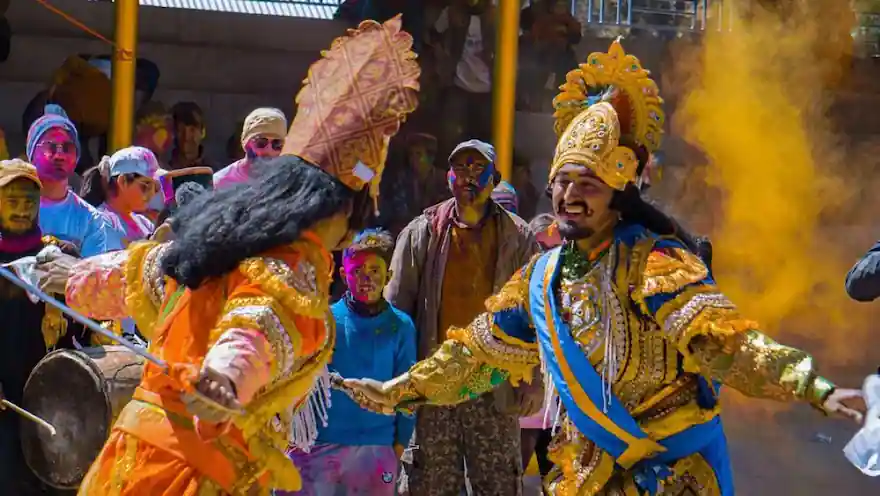
Planning Holi in Sangla is less about chasing big celebrations and more about choosing the right time to enjoy the valley’s calm beauty. Holi usually falls in March, and this period marks the gentle shift from winter to spring in Sangla Valley. Snow still rests on the higher mountains, while the village itself begins to feel softer and more welcoming as the days slowly grow longer.
Early March is often cold, especially during mornings and nights. Temperatures can drop close to freezing, so warm layers are essential. However, this chill adds to the charm of celebrating Holi in Sangla, as the cool air keeps the festival relaxed and comfortable. Days are generally pleasant, making it a good time to walk around the village, interact with locals, and witness traditional Holi customs without rushing.
Mid to late March is ideal for travellers who prefer slightly milder weather. The roads are usually accessible, and the valley starts showing early signs of spring. Apple orchards remain quiet, but the landscape feels fresh and peaceful.
It’s best to plan your trip at least a day before Holi and stay a day after. This gives you time to settle in, understand local traditions, and truly absorb the atmosphere. Holi in Sangla is not about one day—it’s about the slow, meaningful experience that surrounds it.
Why Choose TourMyHoliday for Your Sangla Holi Experience
Choosing the right travel partner makes all the difference when you’re visiting a peaceful and culturally sensitive destination like Sangla during Holi. TourMyHoliday understands that Sangla Holi is not about loud celebrations or rushed itineraries—it’s about comfort, authenticity, and local connection.
With well-planned routes and experienced trip leaders, TourMyHoliday ensures a smooth journey through the Himalayan roads, letting you travel stress-free and focus on the experience. Accommodations are carefully selected to match the calm vibe of Sangla, offering warmth, cleanliness, and scenic surroundings rather than overcrowded stays.
What truly sets TourMyHoliday apart is its attention to local culture. The itineraries are designed to respect village traditions, giving travellers enough free time to explore, interact with locals, and experience Holi naturally without disturbing the environment. There’s no forced schedule, no artificial “festival show”—just a real Sangla Holi experience.
Safety and transparency are also priorities. From clear inclusions to on-ground support, everything is communicated upfront. Whether you’re a solo traveller, a couple, or a small group, the team ensures personal attention throughout the trip.
If you’re looking for a meaningful Sangla Holi tour—one that values peace, authenticity, and comfort—TourMyHoliday offers an experience that feels thoughtfully planned, not commercially pushed.

Faqs About Sangla Holi
1. What makes Sangla Holi different from other Holi celebrations?
Sangla Holi is calm and community-based. It focuses on traditional rituals, light use of colours, and togetherness rather than loud music or large crowds.
2. Is Sangla Holi suitable for families and senior travellers?
Yes, the peaceful atmosphere and slow pace make Sangla Holi ideal for families, couples, and senior travellers.
3. When is Holi celebrated in Sangla?
Holi in Sangla is celebrated on the same date as the rest of India, usually in March, depending on the Hindu calendar.
4. What is the weather like during Holi in Sangla?
The weather is cool during Holi. Days are pleasant, while mornings and nights can be cold, so warm clothing is recommended.
5. Are there big Holi parties or events in Sangla?
No, Sangla does not host commercial Holi parties. Celebrations are simple, local, and centred around village traditions.
6. Can tourists participate in Sangla Holi celebrations?
Yes, visitors are welcome, as long as they participate respectfully and follow local customs.
7. Is Sangla safe to visit during Holi?
Yes, Sangla is considered safe during Holi. The village environment is friendly, and celebrations remain peaceful.
8. What kind of colours are used during Sangla Holi?
Locals usually use minimal and sometimes natural colours, avoiding excessive chemical gulal.
9. How many days should I plan for a Sangla Holi trip?
A 3 to 4-day trip is ideal to experience Holi and explore Sangla Valley at a relaxed pace.
10. Who should choose Sangla Holi as a travel experience?
Sangla Holi is perfect for travellers seeking offbeat destinations, cultural experiences, and a quiet Himalayan festival atmosphere.


