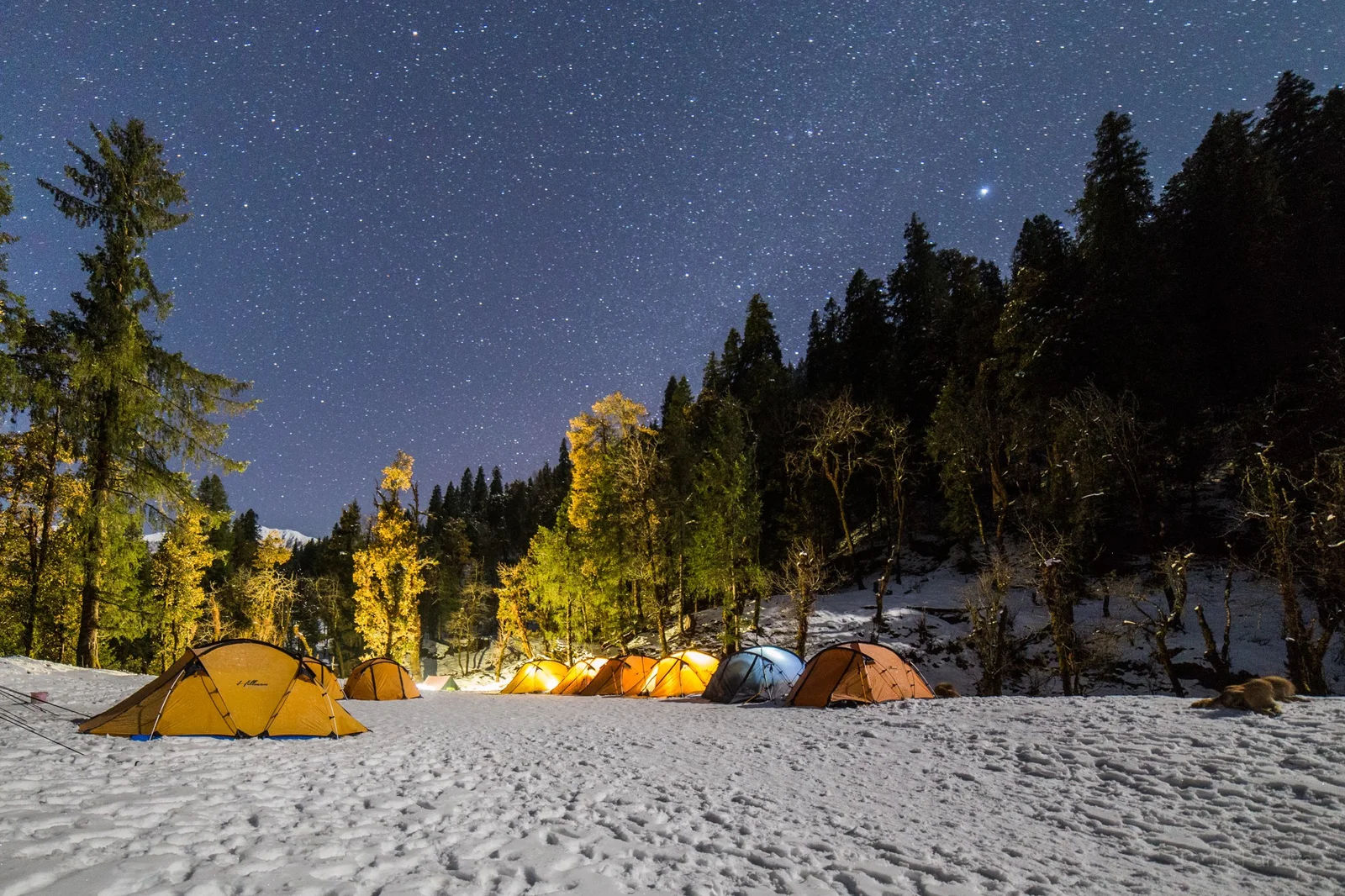
Kedarkantha is considered one of the most popular trekking destinations in Uttarakhand due to its unique combination of stunning natural beauty, accessibility, and relatively moderate difficulty level. The trek offers a perfect blend of adventure, scenic views, and a deep connection with nature, making it a favorite among trekkers of all levels.
One of the main reasons for its popularity is the panoramic views it offers from the summit. The Kedarkantha peak stands at an altitude of 12,500 feet, providing trekkers with awe-inspiring views of the surrounding snow-capped peaks, including Swargarohini, Black Peak, and Bandarpoonch. The trek takes you through dense forests, alpine meadows, and beautiful campsites, each offering a distinct experience. The views of the sun rising over the snow-covered mountains, particularly from the summit, are breathtaking and make the climb well worth it.
The trek is also known for its accessibility, as it doesn't require any prior trekking experience. The well-marked trail and relatively gentle gradient make it suitable for beginners, although a good level of fitness is still recommended. The Kedarkantha trek can be completed in about 5-6 days, making it an ideal option for those looking for a short yet rewarding trekking experience.
Another key factor contributing to the trek's popularity is its year-round appeal. During the winter months (December to March), the trek transforms into a winter wonderland, with fresh snow covering the landscape, making it a favorite for snow enthusiasts. In the summer months, the meadows are lush and green, offering a different yet equally captivating beauty.
Additionally, Kedarkantha offers a chance to experience the traditional Garhwali culture, with villages like Sankri serving as the starting point. This trek combines adventure with cultural immersion, making it an unforgettable experience for trekkers. Its easy accessibility, scenic beauty, and year-round appeal have made Kedarkantha a must-visit destination for trekking enthusiasts.
The Kedarkantha trek is considered to be of moderate difficulty, making it suitable for beginners with a good level of fitness. It is one of the most popular trekking routes in Uttarakhand, and its relatively gentle slopes and well-maintained paths allow first-time trekkers to take on the challenge while still offering a rewarding experience.
The trek's difficulty primarily comes from the altitude gain and the weather conditions, especially if you’re trekking during the winter months, when the trails are covered with snow. The trek involves gradual ascents, with the summit at 12,500 feet, so some trekkers may experience mild symptoms of altitude sickness, though this is usually not severe for most beginners. The maximum duration of the trek is about 5-6 days, which gives trekkers time to acclimatize to the altitude and ensures a manageable pace.
The trek is spread over various terrains, including dense forests, open meadows, and snow-covered slopes, especially in winter, which adds to the thrill. Although the path can get steep in certain sections, they are not long or overwhelming, and with proper rest and hydration, beginners can comfortably complete the trek.
In addition to physical fitness, it’s important for beginners to be mentally prepared for the challenges of high-altitude trekking, such as sudden weather changes, cold temperatures (particularly in winter), and long days of walking. The trail is well-marked, and there are experienced guides and porters who accompany trekkers, making it safe and manageable for those without prior trekking experience.
One of the reasons Kedarkantha is ideal for beginners is the combination of a relatively short duration, moderate difficulty level, and stunning natural beauty, which motivates trekkers to keep going. The sense of achievement on reaching the summit, especially after a rewarding journey through forests and meadows, makes the Kedarkantha trek a perfect introduction to the world of trekking in the Himalayas.
The best time to do the Kedarkantha trek depends on the kind of experience you are looking for. Kedarkantha is a year-round destination, but the peak trekking seasons are winter (December to March) and spring (April to June). Each season offers a unique experience.
Winter (December to March) is the most popular time to undertake the Kedarkantha trek. The trail, during this season, is blanketed in pristine white snow, creating a magical, winter wonderland. The temperature can dip below freezing, and the experience of trekking in the snow, followed by camping in snowy meadows, is something that attracts adventure lovers and photography enthusiasts. Winter treks, however, can be challenging due to the cold temperatures, and the snow-covered paths can make the trail more strenuous, especially for beginners. But for those seeking the quintessential Himalayan winter experience, this is the time to go.
Spring (April to June) offers a different but equally stunning experience. The snow begins to melt, revealing lush green meadows and vibrant wildflowers, which make the trek more visually appealing and comfortable. The temperatures are milder compared to the winter months, and the weather is generally pleasant, making it an ideal time for trekkers who are not keen on snow or extreme cold. The clear skies and warmer days also provide excellent visibility for panoramic views of the surrounding peaks.
Monsoon (July to September) should be avoided for the Kedarkantha trek due to the heavy rainfall, which can make the trails slippery and increase the risk of landslides. The paths can be muddy and treacherous during this time, and the overall experience might be hindered by poor weather conditions.
Autumn (October to November) is another excellent time to do the trek, as the weather is stable, the skies are clear, and the temperatures are moderate. This season is perfect for those who want to avoid the crowds of winter and spring.
Ultimately, while winter and spring are the best times, the Kedarkantha trek offers stunning landscapes and enjoyable experiences throughout the year. The season you choose should depend on your personal preferences for weather, snow, and the overall trekking experience.
The Kedarkantha trek reaches an altitude of 12,500 feet (3,800 meters) at its summit, which is one of the key factors influencing the trek's difficulty level and the overall experience.
At this altitude, trekkers can experience some degree of altitude gain, and it's essential to be mindful of how your body reacts to the change in elevation. While 12,500 feet is not considered to be in the high-altitude category (which generally starts around 16,000 feet), it is still significant enough to cause symptoms of altitude sickness in some individuals, especially if proper acclimatization is not followed.
Here's how the altitude of Kedarkantha affects the trek: Acclimatization: At altitudes above 8,000 feet, the oxygen levels start to decrease, which can cause fatigue, dizziness, headaches, and nausea. For the Kedarkantha trek, proper acclimatization is crucial, and trekkers typically spend 2-3 days on the trek, allowing the body to adjust to the altitude before pushing to the summit. This gradual ascent helps minimize the chances of altitude sickness.
Breathing and Stamina: The thinner air at higher elevations can make physical activity, like trekking, feel more strenuous. This is especially true for those who are not used to such altitudes. As the trek involves some steep ascents, it can get physically demanding, but the relatively moderate altitude means most trekkers can complete it without significant issues if they take their time, stay hydrated, and pace themselves.
Temperature and Weather: The high altitude also means that temperatures can drop sharply, especially during the winter months, when the trek becomes a snow-covered adventure. These cold temperatures can be a challenge, especially during early morning or late evening treks, and trekkers should be prepared with the right gear to stay warm.
Scenic Views: The altitude of Kedarkantha offers breathtaking panoramic views of some of the most famous Himalayan peaks like Swargarohini, Bandarpoonch, and Black Peak, making the trek rewarding despite the physical challenges.
In summary, while the altitude of Kedarkantha adds some level of difficulty to the trek, with proper preparation and pacing, most trekkers can safely complete the journey. It’s a moderate-high altitude trek that provides stunning views and an unforgettable experience without the extreme challenges of higher peaks.
The Kedarkantha trek typically takes 5 to 6 days to complete, depending on the itinerary and pace of the group. This duration is ideal for both acclimatization and allowing trekkers to enjoy the stunning views and natural beauty that the trek has to offer.
Here's a breakdown of the typical itinerary for the Kedarkantha trek: Day 1: Arrival at Sankri The trek begins with a drive from Dehradun to Sankri, the base village. This drive takes around 6-8 hours. Upon arrival, trekkers are given a briefing, and there is some time to rest before starting the trek the following day.
Day 2: Sankri to Juda Ka Talab (6 km) On the second day, the trek begins from Sankri to Juda Ka Talab. It is a relatively easy hike, taking about 4-5 hours to cover the 6 km distance. The trail passes through beautiful forests of pine and oak trees. Juda Ka Talab is a scenic spot to camp for the night.
Day 3: Juda Ka Talab to Kedarkantha Base (4 km) Day three involves trekking to Kedarkantha Base, which takes about 4-5 hours to cover 4 km. The altitude begins to increase, and trekkers start feeling the effects of the altitude. The base camp offers incredible views of the snow-capped peaks.
Day 4: Kedarkantha Base to Summit and Back to Hargaon (6 km) The highlight of the trek is summiting Kedarkantha Peak. On day four, trekkers wake up early in the morning, typically around 3-4 AM, to begin the ascent to the summit. The climb takes about 4-5 hours, and after enjoying the breathtaking views, the descent back to Hargaon (another campsite) takes about 3-4 hours.
Day 5: Hargaon to Sankri (8 km) On the final day, trekkers descend back to Sankri, which takes around 6-7 hours. The descent is relatively easier but still requires careful attention due to the rocky paths.
Day 6: Departure from Sankri On the last day, trekkers depart from Sankri, either returning to Dehradun or continuing to their next destination.
In total, the trek takes about 5 days of trekking with ample rest and acclimatization time, ensuring a safe and enjoyable experience. This itinerary allows trekkers to fully immerse themselves in the natural beauty and grandeur of the Kedarkantha region.
The weather on the Kedarkantha trek varies significantly depending on the season, making it essential for trekkers to be prepared for all conditions. The trek takes place at a high altitude, with the summit reaching 12,500 feet. Here's what you can expect during different seasons and how to prepare for the weather:
Winter (December to February) The winter season is the most popular time to undertake the Kedarkantha trek, as trekkers can experience the mesmerizing snow-covered landscapes. Temperatures during this time can drop as low as -10°C to -15°C at night, with daytime temperatures ranging between 5°C to 10°C. The nights are cold and can be freezing, especially at higher altitudes, with snow covering the trail. Proper insulated clothing, layers, gloves, hats, and thermal wear are necessary to stay warm. Trekking boots with good grip and gaiters to prevent snow from entering are also recommended. Snow also makes the path slippery, so trekkers need to be cautious while walking.
Spring (March to April) During the spring months, the snow begins to melt, and the weather becomes more pleasant. Daytime temperatures range between 8°C to 15°C, while nights remain chilly, around 0°C to 5°C. As the snow starts melting, trekkers will experience a more scenic environment with lush greenery and flowers blooming along the trail. A light jacket, warm layers, and waterproof gear will be sufficient for this time of the year. Although snow might still be present, it will be less compared to winter.
Summer (May to June) Summer on the Kedarkantha trek is mild and pleasant, with temperatures during the day ranging from 15°C to 20°C and nighttime temperatures hovering around 5°C to 10°C. This is the best time for those who prefer moderate weather conditions, as it offers a break from the extreme cold. However, there might still be some patches of snow at higher elevations. Trekkers should still carry light thermal layers and sun protection like hats and sunscreen, as the sun can be intense in the afternoon.
Monsoon (July to September) The monsoon season brings heavy rains, which makes trekking conditions dangerous due to slippery trails, landslides, and poor visibility. It is best to avoid the Kedarkantha trek during this time. If trekking is attempted, trekkers should have waterproof clothing and be prepared for challenging conditions.
In general, trekkers should be prepared for rapidly changing weather conditions, especially at higher altitudes. It's essential to pack layers of clothing that can be added or removed as per the temperature, ensuring you stay comfortable throughout the trek. Additionally, waterproof jackets, trekking shoes, and good quality gloves are highly recommended for all seasons.
The Kedarkantha trek is renowned not only for its stunning summit views but also for the numerous attractions along the way that make the journey equally memorable. Here are the key highlights:
Sankri Village The trek begins from Sankri, a quaint village in the Uttarkashi district. This village offers a perfect introduction to the natural beauty of the region, with panoramic views of the surrounding Himalayan peaks. It’s a great spot to acclimatize before starting the trek. Sankri has charming wooden houses, lush green fields, and a peaceful environment that sets the tone for the adventure.
Juda Ka Talab Around the first camp of the trek, trekkers will reach Juda Ka Talab—a serene and beautiful lake located amidst dense forests. The lake is particularly mesmerizing during the winter months when it's often frozen over, surrounded by snow-covered landscapes. The stillness of the lake and its reflection of the surrounding peaks create a magical atmosphere, making it a favorite stop for trekkers. It's an ideal place for photography and to take in the tranquility of nature.
Beautiful Campsites The Kedarkantha trek is known for its stunning campsites. Whether it's the meadows near Juda Ka Talab or the campsites closer to the summit, trekkers enjoy panoramic views of snow-capped peaks like Swargarohini, Black Peak, and Rishi Peak. The campsites are surrounded by lush forests, tall pine trees, and a mix of rhododendron and oak, creating a picturesque and peaceful environment.
The Summit Viewpoint As you ascend higher towards the Kedarkantha summit, you will pass through dense forests and eventually emerge at the treeline. The views from the summit itself are spectacular, offering a 360-degree panoramic vista of the Himalayas. The snow-covered peaks, including Bandarpunch and Kalanag, are visible, making the summit a breathtaking reward for your efforts.
Kedarkantha Meadows The meadows around the summit area are another highlight. These expansive, undulating grassy fields are perfect for picnics, capturing memories, and marveling at the surrounding snow-covered landscapes. The meadows are particularly vibrant during spring and summer when wildflowers bloom in abundance.
The Descent through Dense Forests On the way back, trekkers descend through the enchanting pine forests of Kedarkantha. The forests are dense, offering a cool shade and a serene atmosphere, making the descent enjoyable and peaceful.
In summary, the Kedarkantha trek offers much more than just reaching the summit, with its scenic villages, lakes, forests, and meadows adding depth and beauty to the overall experience. These attractions make the trek a comprehensive and unforgettable journey through nature's wonders.
During the Kedarkantha trek, trekkers primarily rely on camping, which is an integral part of the adventure. However, there are a few accommodation options along the way that cater to trekkers looking for basic comfort and rest. Here's a breakdown:
Camping The most common accommodation option during the Kedarkantha trek is camping at designated campsites along the route. These campsites are set up in picturesque locations, often surrounded by nature’s beauty, such as the serene Juda Ka Talab or the meadows near the summit. Trekking companies usually provide all camping gear, including tents, sleeping bags, mats, and sometimes even food. Camping allows trekkers to connect with nature in a unique way, providing a chance to experience the outdoors in its purest form. Nights under the stars, surrounded by the sound of the wilderness, are one of the most unforgettable aspects of the trek.
Basic Guesthouses in Sankri Village Before starting the trek and after completing it, trekkers can find basic guesthouses or homestays in Sankri village, the base for the Kedarkantha trek. These guesthouses provide a comfortable place to rest before and after the journey. The rooms are simple and offer basic amenities like bedding, hot water, and meals. These accommodations are ideal for trekkers who want a good night’s rest before heading out to the trails.
Rest Stops and Forest Rest Houses Along the trail, especially in some remote sections, trekkers can find small rest houses or forest rest houses. These are government-run accommodations that offer simple shelter to trekkers. These rest houses may not always be available, and they can be limited in terms of facilities, so it’s always a good idea to check availability in advance. These spots can provide some shelter from the cold, especially during winter.
Trekking Companies’ Arrangements Many trekking companies organize customized trips and provide accommodation options in tented camps, complete with proper bedding, meals, and necessary facilities. Some trekking groups even offer glamping experiences, providing slightly more luxurious stays with better amenities than traditional camping.
Trekking to Kedarkantha is an exciting adventure, but it’s important to prioritize safety to ensure a smooth and enjoyable experience. Here are some key safety precautions to follow:
Acclimatization Acclimatization is crucial, especially since the Kedarkantha trek reaches an altitude of around 12,500 feet. Trekking too fast without giving your body time to adjust to the altitude can lead to altitude sickness, which can be dangerous. It’s important to take it slow on the ascent, rest frequently, and drink plenty of water. Make sure you stay in each camp for a sufficient amount of time to allow your body to adjust.
Proper Footwear and Gear Wearing the right footwear is essential to avoid foot injuries and to maintain grip on uneven, icy, or slippery trails. Make sure to invest in good-quality trekking shoes with ankle support and a reliable grip. Additionally, dress in layers to regulate body temperature. Ensure you carry waterproof clothing, warm clothing, and trekking poles for added support on steep sections.
Stay Hydrated and Nourished Staying hydrated is a priority while trekking at high altitudes. The body loses water quickly due to the cold and physical exertion. Carry a water bottle and drink regularly, even if you don’t feel thirsty. Similarly, pack high-energy snacks such as nuts, dried fruits, and chocolates to keep your energy levels up throughout the trek.
Weather Awareness Weather in the mountains can change unexpectedly. Before heading out each day, check the weather forecast. If there’s a sudden drop in temperature, snowfall, or storms, avoid continuing the trek. It’s better to take shelter and wait until conditions improve. Being prepared for snow, rain, or fog is important to avoid getting caught off guard.
Guides and Group Trekking It’s always safer to trek with an experienced guide or as part of an organized group. Guides are familiar with the route, local conditions, and can help in case of emergencies. Trekking in a group also ensures that help is available if someone gets injured or falls ill. Avoid trekking alone, especially in remote areas.
First Aid Kit Always carry a basic first aid kit that includes essentials like bandages, pain relief medications, anti-allergy medicine, and anti-nausea pills for altitude sickness. Having these at hand can be a lifesaver in case of minor injuries or sickness.
Follow the Trail and Markers Sticking to the marked trail and paying attention to trail signs is vital to avoid getting lost. Many trekking routes in the Himalayas can be tricky, so be sure to follow the guidance of your guide or trekking group.
Yes, it is possible to reach Kedarkantha via public transport, though it may require a combination of different transport options. The starting point of the trek is Sankri, a small village in Uttarkashi district, which serves as the base camp for the Kedarkantha trek. Here’s how you can reach Sankri:
1. From Delhi to Dehradun First, you can take a train or bus from Delhi to Dehradun, which is a major city well connected by rail and road. The train journey from Delhi to Dehradun takes approximately 6-7 hours, while a bus or private car can take around 7-8 hours depending on the road conditions.
Alternatively, flights from Delhi to Dehradun are also available, which is a quicker option, taking roughly 1.5 hours.
2. From Dehradun to Sankri Once you reach Dehradun, the next step is to travel to Sankri, the base of the Kedarkantha trek. You have several public transport options to get there:
Government and Private Buses: There are daily buses from Dehradun to Sankri operated by both the Uttarakhand Roadways and private bus companies. These buses depart from Dehradun’s main bus stand and take around 8-10 hours to reach Sankri, depending on road conditions.
Shared Jeeps/Private Vehicles: Shared jeeps are a popular and quicker way to reach Sankri. These jeeps usually depart from the Dehradun bus stand in the morning and take around 7-8 hours to reach Sankri. You can book your seat in a shared jeep at the bus station or through tour operators. Private vehicles can also be hired for the journey, but they tend to be more expensive.
3. Last-Mile Connectivity From Sankri, you can start your Kedarkantha trek, which typically takes about 6 days to complete, depending on the itinerary. Most trekkers hire guides and porters from Sankri to ensure a smooth experience on the trek.
While public transport is available, some trekkers prefer renting a private vehicle from Dehradun to Sankri for convenience and time-saving, especially when traveling in groups. However, if you’re on a budget, public transport is an affordable and viable option to get to Sankri before embarking on the trek.


.webp)
.webp)