
The History and Mythological Legends of Char Dham Yatra
Published on February 03, 2025 | Updated on August 28, 2026
The Char Dham Yatra is one of the most ancient and respected pilgrimage traditions in India. Beyond being a journey to sacred temples, it represents centuries-old beliefs, mythological stories, and spiritual traditions connected with the Himalayas.
The four holy shrines of Uttarakhand — Yamunotri, Gangotri, Kedarnath, and Badrinath — are deeply associated with Hindu mythology and ancient legends. Each temple has its own unique story, religious importance, and connection with divine figures.
From the descent of the holy River Ganga to Earth to the legends of Lord Shiva and Lord Vishnu, the history of Char Dham Yatra reflects India’s rich spiritual heritage.
This guide explores the history and mythological legends of Char Dham Yatra, including the stories, beliefs, and cultural importance behind these sacred Himalayan temples.
History of Char Dham Yatra

The Char Dham Yatra of Uttarakhand, also known as Chota Char Dham Yatra, has been a significant pilgrimage tradition for centuries.
The journey became more organised through the efforts of spiritual leaders, temple traditions, and local communities who preserved these sacred sites in the Himalayan region.
The four destinations included in this pilgrimage are:
| Dham | Dedicated To | Location |
|---|---|---|
| Yamunotri | Goddess Yamuna | Uttarkashi |
| Gangotri | Goddess Ganga | Uttarkashi |
| Kedarnath | Lord Shiva | Rudraprayag |
| Badrinath | Lord Vishnu | Chamoli |
These temples represent different forms of divine energy and continue to attract devotees from across the world.
Mythological Legends of Yamunotri Dham
Story of Goddess Yamuna
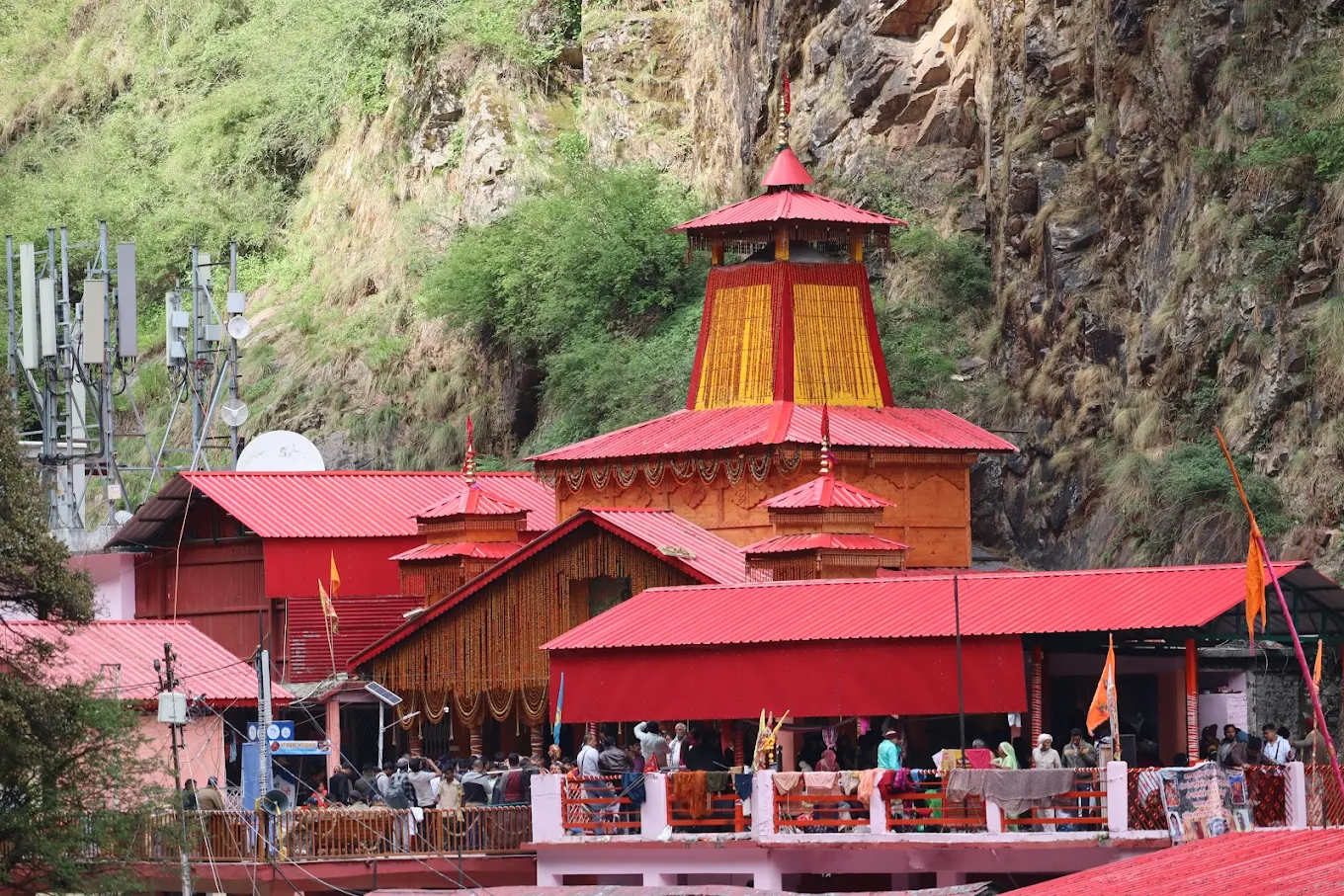
Yamunotri Dham is dedicated to Goddess Yamuna, the sacred river goddess and daughter of the Sun God Surya according to Hindu beliefs.
Devotees believe that worshipping Goddess Yamuna provides purity, protection, and blessings. The temple is located near the origin of the River Yamuna, making it an important spiritual destination.
The surrounding Himalayan environment adds to the divine atmosphere of Yamunotri, where pilgrims begin their Char Dham journey with devotion and faith.
Mythological Legends of Gangotri Dham
Descent of River Ganga on Earth
Gangotri Dham is associated with the legendary story of the descent of River Ganga from heaven to Earth.
According to Hindu mythology, King Bhagirath performed intense meditation to bring Ganga to Earth for the salvation of his ancestors. To control the powerful flow of the river, Lord Shiva held Ganga in his hair before allowing her to flow on Earth.
This story represents devotion, determination, and the divine connection between humans and nature.
Mythological Legends of Kedarnath Dham
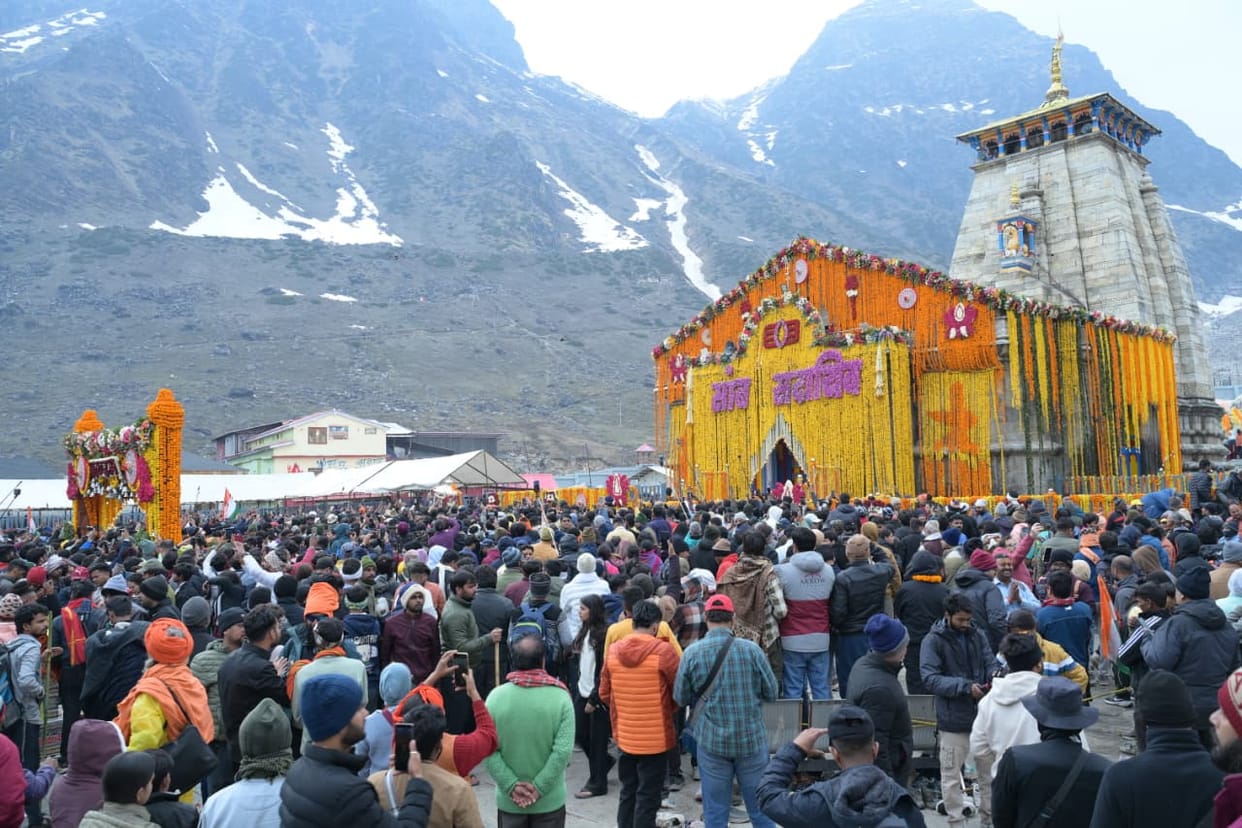
Connection with Lord Shiva and Pandavas
Kedarnath Dham is dedicated to Lord Shiva and is considered one of the twelve Jyotirlingas.
According to popular legends, the Pandavas visited this region to seek blessings from Lord Shiva after the Mahabharata war. It is believed that Lord Shiva took the form of a bull to avoid meeting them, and later became present at Kedarnath.
The temple’s location among the Himalayan peaks represents strength, devotion, and spiritual discipline.
Mythological Legends of Badrinath Dham

Lord Vishnu's Meditation in Himalayas
Badrinath Dham is dedicated to Lord Vishnu and is associated with several ancient legends.
According to beliefs, Lord Vishnu meditated at this location for spiritual purposes. Goddess Lakshmi is believed to have protected him during his meditation by taking the form of a Badri tree.
The temple represents devotion, knowledge, and spiritual enlightenment.
Role of Himalayas in Hindu Spiritual Traditions
The Himalayas have always been considered sacred in Indian spiritual traditions.
For centuries, sages and saints have chosen the Himalayan region for meditation and spiritual practices because of its peaceful environment and natural beauty.
The mountains, rivers, and forests around Char Dham temples create an atmosphere that encourages devotion, reflection, and inner peace.
Cultural Importance of Char Dham Yatra

The Char Dham Yatra is not only a religious journey but also an important part of Uttarakhand’s cultural heritage.
The pilgrimage preserves:
- Ancient temple traditions
- Local customs
- Himalayan lifestyle
- Religious practices
- Traditional festivals
The journey also supports local communities and helps preserve the cultural identity of the Himalayan region.
Spiritual Lessons from Char Dham Legends
The stories connected with Char Dham temples teach important values such as:
- Faith and devotion
- Patience and determination
- Respect for nature
- Importance of spirituality
- Connection between humans and the divine
These teachings make the Char Dham Yatra meaningful beyond the physical journey.
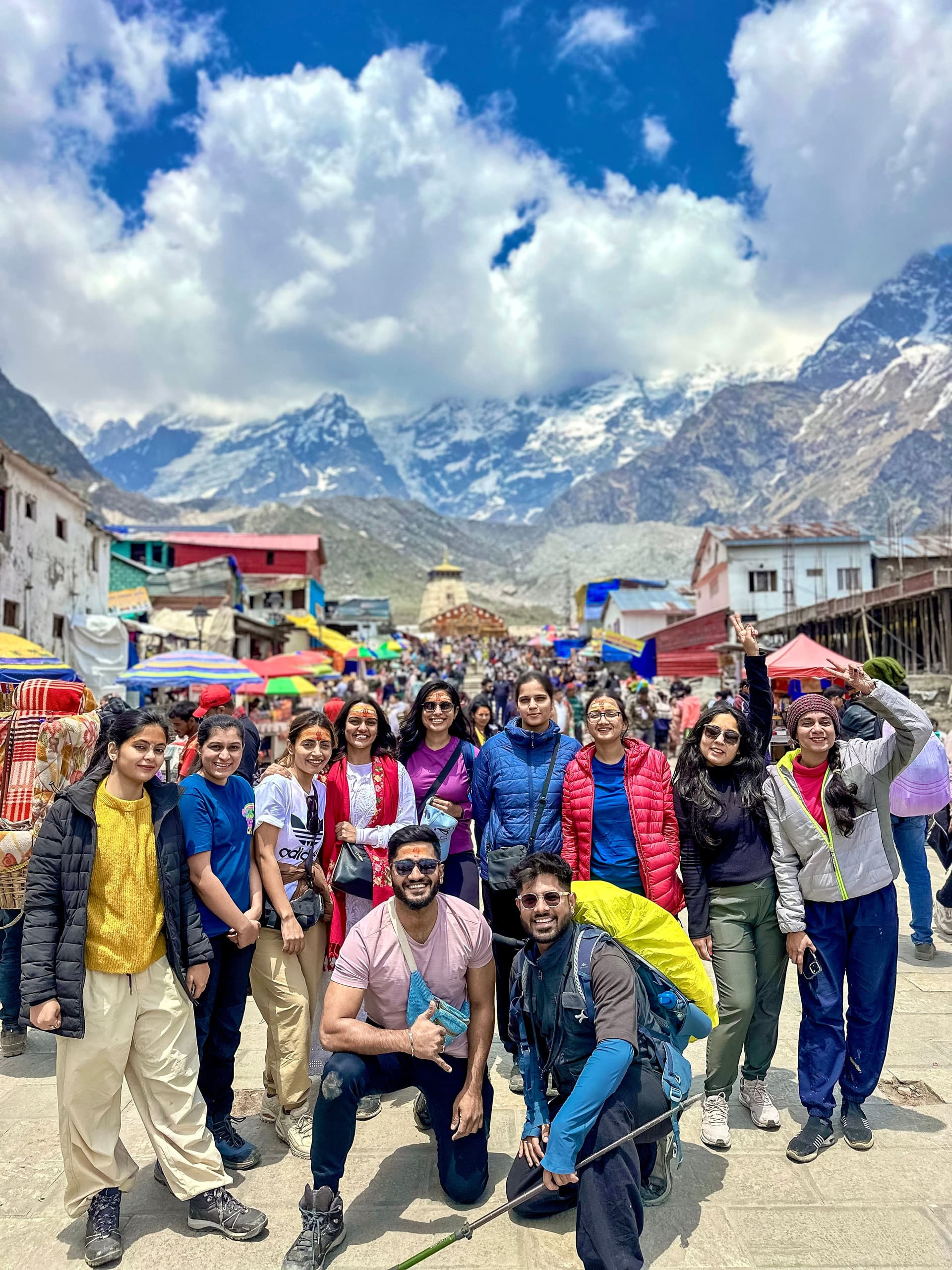
Things to Know Before Visiting Char Dham Temples
Before visiting these sacred temples, travellers should remember:
- Respect local traditions and customs
- Follow temple guidelines
- Complete required registration before travelling
- Carry valid identification documents
- Keep suitable clothing according to weather conditions
- Maintain cleanliness around sacred places
Plan Your Char Dham Journey
If you are planning to experience the sacred Himalayan pilgrimage with organised travel support, you can explore our:
Char Dham Yatra Package From Haridwar
https://www.tourmyholiday.com/packageDetails/char-dham-yatra-package
Char Dham Yatra Package From Delhi
https://www.tourmyholiday.com/packageDetails/Chardham
Frequently Asked Questions (FAQs)
1. What is the history of Char Dham Yatra?
The Char Dham Yatra is an ancient pilgrimage tradition of Uttarakhand connected with Hindu beliefs, temple traditions, and centuries-old spiritual practices.
2. Which temples are included in Char Dham Yatra?
The four temples included in Uttarakhand Char Dham Yatra are Yamunotri, Gangotri, Kedarnath, and Badrinath.
3. What is the legend behind Gangotri Dham?
Gangotri Dham is connected with the legend of Goddess Ganga’s descent from heaven to Earth through the devotion of King Bhagirath.
4. Why is Kedarnath important in Hindu mythology?
Kedarnath is important because it is associated with Lord Shiva and is considered one of the twelve Jyotirlingas.
5. What is the story behind Badrinath Temple?
Badrinath Temple is associated with Lord Vishnu’s meditation in the Himalayas and represents spiritual knowledge and devotion.
6. Why is Yamunotri considered sacred?
Yamunotri is considered sacred because it is associated with Goddess Yamuna and the origin region of the holy River Yamuna.
7. Why are the Himalayas important in Char Dham mythology?
The Himalayas are considered sacred because they have been associated with meditation, sages, and spiritual practices for centuries.
8. Is Char Dham Yatra only a religious journey?
No, it is also a cultural and historical journey that reflects the traditions, heritage, and natural beauty of Uttarakhand.
9. What makes Char Dham temples unique?
Each Char Dham temple has its own mythology, religious significance, history, and connection with different Hindu traditions.
10. Why do people visit Char Dham temples?
People visit Char Dham temples to seek blessings, experience spirituality, and connect with ancient religious traditions.
Conclusion
The History and Mythological Legends of Char Dham Yatra reflect the deep spiritual roots and cultural heritage of Uttarakhand. Yamunotri, Gangotri, Kedarnath, and Badrinath are not only sacred temples but also symbols of faith, devotion, and ancient traditions.
The legends associated with these Himalayan shrines continue to inspire millions of pilgrims and preserve India’s rich spiritual legacy for future generations.


