
Chopta Photography Tour 2025: Best Spots for Sunrise & Peaks
Published on November 26, 2025
A Chopta photography tour in 2025 is perfect for travellers who want peaceful Himalayan landscapes, clean air, and wide open frames to capture the sunrise, snow peaks, and forests. Most travellers today prefer a well-organised chopta tour package from delhi, because it saves time, avoids last-minute planning stress, and makes the journey smooth for both beginners and photographers who travel with gear. From Delhi, the overnight drive comfortably brings you to the meadows of Chopta, where the real photographic magic begins.
The highlight of any photography trip here is the legendary Tungnath Temple Trek, a beautiful trail that passes through ancient forests, stone pathways, and open ridges. The temple itself is one of the most photogenic spots—surrounded by towering peaks and crisp mountain air. Sunrise here is especially peaceful, offering warm golden tones that enhance both portrait and landscape shots. Even new photographers find it easy to get frame-worthy pictures on this trail.
For those looking to capture dramatic mountain views, the Chandrashila Trek is the ultimate reward. The summit offers a 360-degree Himalayan panorama, perfect for wide-angle shots, silhouette frames, drone captures, and long-exposure photography. Whether you're into sunrise shots, cloud-play, or sharp peak visibility, Chandrashila is considered one of the best natural view decks in Uttarakhand.
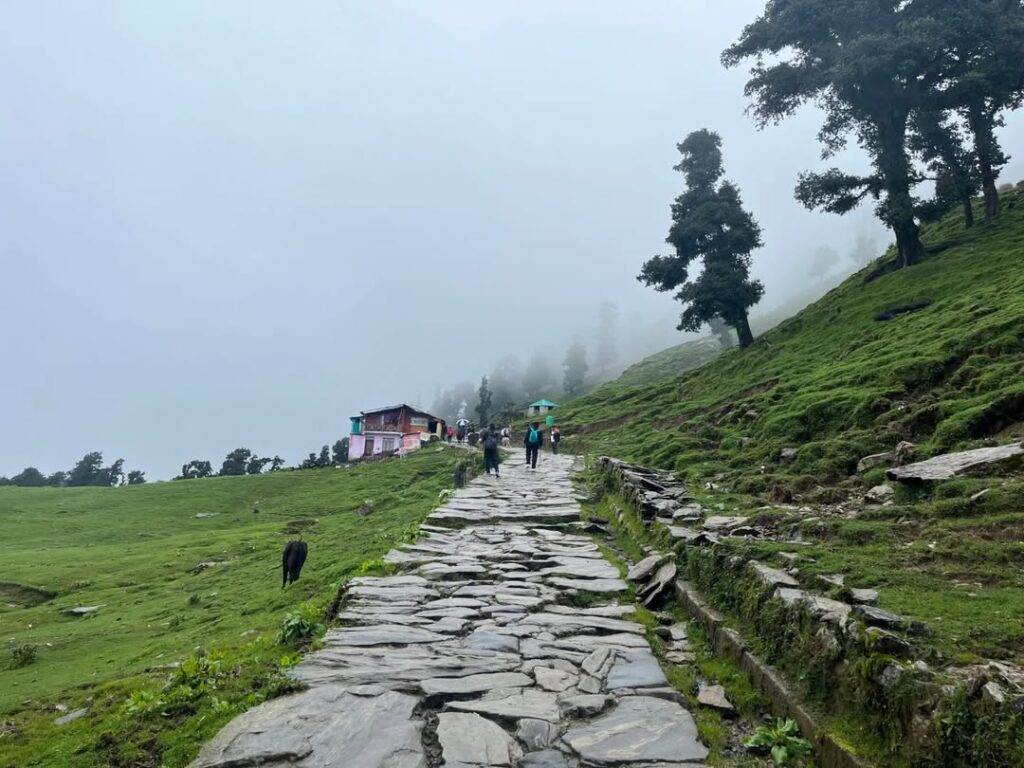
Best Sunrise Viewpoints in Chopta for Golden Hour Shots
Chopta is one of those rare Himalayan destinations where sunrise looks different every single day. Soft golden rays fall over dense forests, meadows fill with morning mist, and distant peaks reflect warm light like glowing crystals. Travellers booking a chopta tour package specially for sunrise photography often reach here before dawn so they can witness the first light touching the horizon. The natural gradient that appears over the valley allows photographers to capture cinematic silhouettes, wide-angle frames, and dreamy morning shots without using artificial filters.
One of the most scenic sunrise trails is the chopta tungnath trek, which starts from the main Chopta market and gradually opens into ridge lines. This trail gives photographers multiple opportunities to stop and shoot morning light passing through tall deodar trees. As you climb a little higher, the golden rays begin touching the snow peaks far in the background, creating a naturally layered composition. The stone pathways, temple flags, and forest curves add natural depth to every shot you capture.
For hikers aiming to capture the most dramatic sunrise in Uttarakhand, the chopta chandrashila trek from delhi is the top choice. Reaching Chandrashila before sunrise gives you a front-row seat to one of nature’s most breathtaking shows. The entire Himalayan skyline lights up at once—first in deep orange, then pink, then gentle gold. From the summit, you can shoot sharp ridge lines, rolling fog, flying birds, and glowing peaks in a single frame. It’s a dream scenario for photographers who love wide, clean, and high-contrast shots.
✔ Best Sunrise Spots in Chopta
-
Forest curves on the lower Tungnath trail
-
Midpoint viewpoint with clear ridge visibility
-
Temple ridge area for wide-angle sunrise frames
-
Chandrashila summit for the most dramatic golden-hour shots
-
Meadows near Dugalbitta for low-lying fog and soft tones
-
Baniyakund for mist, grass textures, and portrait-friendly backgrounds
✔ What Makes Chopta Perfect for Sunrise Photography
-
Smooth light transition—ideal for beginners and DSLR users
-
Multiple natural windows where light passes through forests
-
Clean, pollution-free skies that create natural colour gradients
-
Ridge tops offering open panoramas without obstacles
-
Consistent visibility during most months of the year
-
Great mix of silhouettes, landscapes, and sky shots
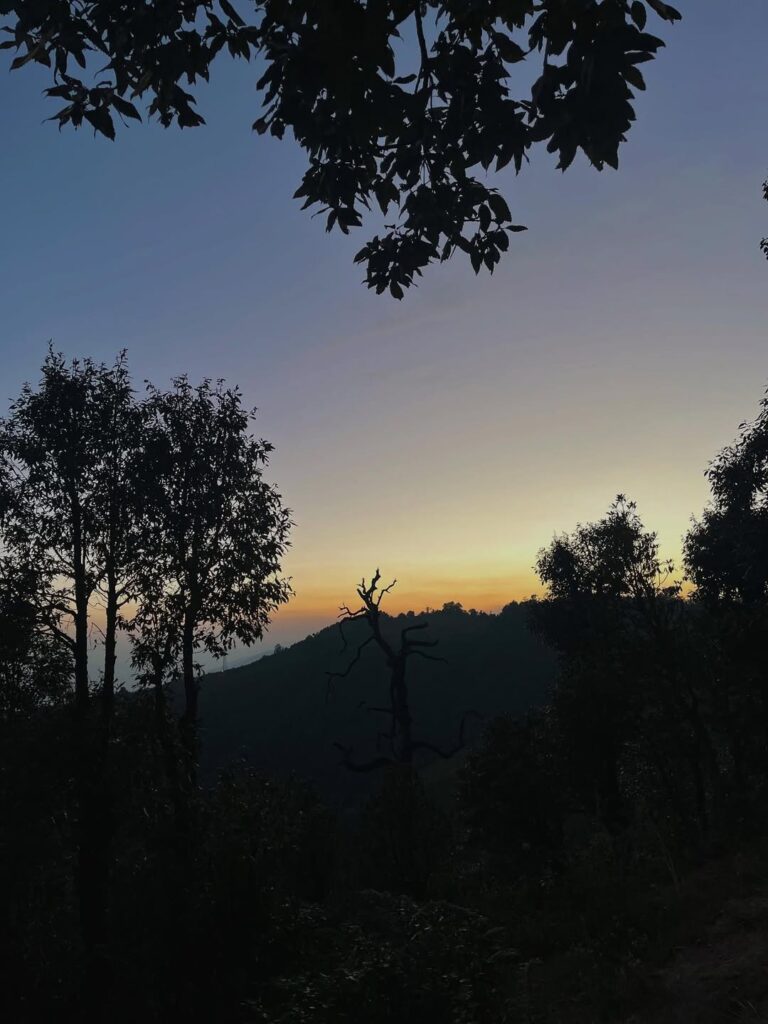
Top Peak-View Locations for Capturing Himalayan Giants
Chopta is one of the few Himalayan regions where you don’t have to climb extreme altitudes to witness outstanding peak views. Even beginners can enjoy crystal-clear sights of Chaukhamba, Nanda Devi, Trishul, Kedarnath Dome, and more without needing advanced trekking experience. Travellers arriving through the Chopta Tungnath Trek from Delhi route often find their first major viewpoint right near the starting trail, where the ridges open beautifully toward the horizon. Early in the morning, the distant peaks look like they’re floating above the clouds, creating a surreal landscape ideal for photographers.
As you gradually ascend the forest trail, the tungnath trek offers multiple open pockets where the tree line breaks, revealing long mountain corridors. These natural openings allow photographers to take wide-angle shots without obstruction. The blend of lush greenery and snow-loaded peaks makes this one of the most balanced photographic compositions in Uttarakhand. The temple area itself sits on an open ridge, offering a clear view toward Chaukhamba—perfect for capturing dramatic Himalayan silhouettes during late afternoon hours.
For those who want the most powerful perspective of the Himalayas, nothing matches the height and clarity of the chandrashila summit trek. From the very top, the entire skyline forms a massive panoramic wall of peaks. Photographers can capture sunlit ridges, shifting cloud formations, and the deep blue sky merging with snowfields. The summit is especially famous for sharp visibility during winter and post-monsoon months, when the atmosphere becomes crystal clear, revealing details that are invisible from lower points. Whether you're shooting with a DSLR, mirrorless camera, drone, or even a phone, the summit gives you professional-level frames with minimal effort.
✔ Best Peak Viewpoints in Chopta
-
Forest opening near the lower ridge trail
-
Midway viewpoint toward Kedarnath Dome
-
Tungnath temple ridge with open sky backdrops
-
Chandrashila summit for complete 360° Himalayan panorama
-
Snow meadows during winter for crisp visibility
-
Rocky edges near the final climb for silhouette shots
✔ Why These Spots Are Perfect for Peak Photography
-
Clear sightlines without obstructions
-
Natural elevation ideal for wide-angle and telephoto shots
-
Balanced lighting throughout the day
-
Evergreen forests add foreground depth to images
-
Excellent visibility during sunrise and post-noon
-
High-altitude ridge lines ideal for drone and cinematic frames
Tungnath & Chandrashila: Trails for Perfect Mountain Photography
For any photography enthusiast, the trails connecting Chopta to Tungnath and Chandrashila are a paradise. The chopta tour package ensures smooth travel, comfortable stays, and planned timing so that photographers can focus entirely on capturing Himalayan landscapes without worrying about logistics. Starting from Chopta, the rolling meadows, stone trails, and forest edges gradually lead you toward iconic peaks, offering multiple photography-friendly spots along the way.
One of the highlights of this journey is the chopta chandrashila trek from delhi, a route that allows early morning access to the summit. Reaching the top during sunrise gives photographers a chance to capture the dramatic transition of light over the Himalayan range. Every turn on the trail has its own charm—mist-covered ridges, pine forests, and distant snow peaks create a layered composition perfect for landscape, drone, or time-lapse photography.
For trekkers who want the complete experience, the tungnath chandrashila trek from delhi combines both sacred and scenic elements. The Tungnath temple, perched high on a ridge, provides spiritual frames surrounded by snow-laden peaks, while the Chandrashila summit offers expansive vistas for wide-angle shots. This combined trek ensures that photographers can cover multiple moods of the mountains in a single outing—from soft morning mist to crystal-clear midday peaks.
✔ Key Photography Spots on These Trails
-
Lower Chopta meadows for sunrise and fog shots
-
Forest pathways for textures and natural frames
-
Tungnath temple ridge for architectural and peak contrast
-
Chandrashila summit for 360° Himalayan panoramas
-
Rocky edges along the final climb for dramatic compositions
-
Small stream crossings and water pockets for reflective shots
✔ Why These Trails Are Ideal for Mountain Photography
-
Smooth, moderate trails suitable for carrying camera gear
-
Multiple elevation points offering diverse perspectives
-
Golden hour and mid-morning light perfectly highlight peaks
-
Clear skies for post-monsoon photography
-
Ideal mix of foreground (forests, meadows) and background (peaks)
-
Opportunities for both landscape and portrait photography

Chandrashila Summit: Ultimate 360° Photo Spot
The Chandrashila Summit Trek is the crown jewel of any Chopta photography tour. From the summit, photographers are treated to a complete 360-degree view of the Himalayas—snow-clad peaks, rolling valleys, and meandering rivers create breathtaking compositions. This is one of the few places in Uttarakhand where you can capture sunrise, mid-morning clarity, and even golden-hour colors from a single vantage point.
Those traveling via the chopta chandrashila trek from delhi reach the base at dawn, giving them ample time to position their cameras for the perfect shot. The final climb rewards trekkers with panoramic views of Chaukhamba, Trishul, Nanda Devi, and Kedarnath Dome. Every angle is picture-perfect—whether you are using a wide-angle lens, telephoto, drone, or even a smartphone. The summit’s altitude and open landscape make it an ideal location for silhouette photography, long-exposure clouds, and time-lapse videos of the sun rising over the peaks.
The Tungnath Chandrashila Trek from Delhi route offers a unique combination of spiritual and scenic photography. Along the trail, small ridges, forest clearings, and temple corners provide foreground interest, which adds depth to your Himalayan frames. Capturing the temple against the backdrop of distant snow peaks creates dramatic compositions, blending culture with nature.
✔ Top Photography Opportunities at Chandrashila Summit
-
Sunrise over multiple Himalayan peaks for golden-hour shots
-
Silhouettes of trekkers or temple structures against the sun
-
Panoramic shots capturing Trishul, Nanda Devi, Chaukhamba, and Kedarnath Dome
-
Cloud formations moving below the summit ridge for dynamic frames
-
Rocky outcrops and alpine meadows as natural foregrounds
✔ Why Chandrashila Summit is a Must for Photographers
-
360° visibility ensures every frame is unique
-
Crisp post-monsoon and winter skies enhance clarity and contrast
-
Summit elevation provides natural perspective for wide-angle shots
-
Opportunities for both landscape and portrait compositions
-
Perfect location for drone photography, cinematic reels, and time-lapse sequences
-
Easy access through guided treks ensures safe and planned shooting schedules
Photography Tips & Gear for Chopta
A Chopta photography tour is not just about reaching the mountains—it’s about capturing them perfectly. A well-planned chopta tour package ensures that you have the time and access to the best viewpoints, allowing you to focus entirely on your photography. Whether you are aiming for sunrise landscapes, misty forest shots, or panoramic summit views, proper preparation makes all the difference.
The chopta tungnath trek is ideal for testing your skills in forest and ridge photography. Early mornings provide soft, diffused light perfect for capturing texture and depth. Carrying a tripod helps with low-light shots during sunrise or foggy conditions. Lightweight lenses such as 24–70mm or 70–200mm are recommended for versatile compositions, from sweeping meadows to detailed mountain peaks. The trail itself offers multiple vantage points, so keeping your camera ready at all times ensures you don’t miss spontaneous moments like passing clouds or birds.
For summit photography on the chandrashila trek, it’s essential to plan for variable weather. High-altitude winds can make handheld shots tricky, so a sturdy tripod and lens hood are useful. Filters such as ND or polarizers help manage bright snow glare and enhance sky contrast. Additionally, carrying spare batteries and memory cards is critical, as cold temperatures can drain power quickly. Timing your shots around sunrise and mid-morning ensures the best balance of light on the peaks.
✔ Essential Photography Gear for Chopta
-
DSLR or mirrorless camera with wide-angle and telephoto lenses
-
Lightweight tripod for stable landscape and sunrise shots
-
Polarizer or ND filters for sky contrast and snow glare
-
Extra batteries and memory cards for long trekking days
-
Waterproof camera bag and protective lens covers
✔ Photography Tips for the Best Shots
-
Start early to capture golden-hour light over peaks and meadows
-
Use foreground elements like rocks, meadows, or temple corners for depth
-
Scout multiple viewpoints along the chopta tungnath trek
-
Take multiple exposures for high dynamic range (HDR) shots
-
Capture moving clouds or fog for dynamic landscapes
-
Respect trails and local culture while photographing temples and sacred areas

Best Mountain Photography Seasons & Weather in Chopta
Choosing the right season is crucial for capturing Chopta’s mountains in all their glory. A Chopta Tour Package planned during optimal months ensures photographers get clear skies, vibrant meadows, and dramatic Himalayan peaks without worrying about road closures or unpredictable weather.
The tungnath trek is most photogenic between September and November, and again from February to early May. During these months, skies are clear, mornings are crisp, and visibility of peaks like Nanda Devi, Chaukhamba, and Trishul is excellent. Sunrise and sunset photography are particularly rewarding, with the first rays of sunlight casting golden hues over snow-dusted ridges. Monsoon months can be risky due to slippery trails and cloud-obstructed peaks, while winter offers a magical snowy landscape but requires careful planning for cold conditions.
The chandrashila trek provides a unique 360° panorama of the Himalayas, and the best visibility occurs in post-monsoon and winter months. Early morning fog on the Chandrashila Summit adds drama and depth to photos, creating dynamic compositions. The combination of soft mist in the valleys, bright peaks catching sunlight, and occasional cloud movements gives photographers multiple opportunities for landscape, silhouette, and time-lapse shots.
✔ Best Seasons for Photography in Chopta
-
September–November: Clear skies, lush meadows, excellent peak visibility
-
February–April/May: Post-winter snow highlights, crisp air, and sunrise frames
-
Winter (Dec–Jan): Snow-covered trails, rocky ridges for dramatic shots
-
Avoid Monsoon (July–Aug): Reduced visibility, slippery trails, and cloud-covered peaks
✔ Photography Tips for Different Seasons
-
Adjust white balance for snow reflections in winter
-
Capture valley fog and mist during early morning post-monsoon
-
Use filters to control bright sunlight or snow glare
-
Plan sunrise and sunset shoots according to seasonal timing
-
Carry waterproof and warm gear depending on month
-
Keep camera battery warm in cold temperatures for optimal performance
Chopta Photography Do’s & Don’ts
Capturing Chopta’s mountains, meadows, and temples requires more than just a camera—it demands awareness, planning, and respect for nature. A well-organized chopta tour package ensures you have time to follow these best practices while exploring the trails and viewpoints.
✔ Photography Do’s
-
Start Early: Arrive at viewpoints like Tungnath or Chandrashila before sunrise to capture soft golden-hour lighting.
-
Use Foreground Elements: Include meadows, rocks, or temple corners to add depth to your shots.
-
Respect Local Culture: Photograph tungnath temple trek areas thoughtfully, avoiding intrusions into prayer or rituals.
-
Carry Lightweight Gear: On long treks, minimal gear ensures mobility and reduces fatigue while shooting.
-
Scout Multiple Angles: Explore different perspectives along trails, ridges, and summits for varied compositions.
-
Protect Equipment: Use waterproof bags, lens covers, and keep batteries warm in cold weather, especially on the chandrashila trek.
✔ Photography Don’ts
-
Don’t Rush: Avoid hurrying on trails; safe and steady shooting provides better composition and prevents accidents.
-
Don’t Ignore Weather: Fog, rain, or snow can impact both safety and photography—plan accordingly.
-
Avoid Littering: Never leave trash behind; keep meadows and trails pristine.
-
Don’t Block Paths: On narrow trails or near temples, maintain space for fellow trekkers.
-
Avoid Overexposure: Snow and bright peaks can cause blown highlights; use filters or adjust camera settings.
-
Don’t Skip Scouting: Spend time exploring each area; the best angles aren’t always obvious at first glance.
By following these do’s and don’ts, photographers can make the most of their chopta tour package, safely capturing the natural and cultural beauty of the region. Whether it’s the sunrise over Tungnath, the panoramic vistas from Chandrashila, or misty meadows along the way, careful preparation ensures every shot is memorable.

Conclusion & Travel Tips for Chopta Photography Tour
A photography trip to Chopta is an experience that combines adventure, natural beauty, and cultural insights. Opting for a chopta tour package from delhi simplifies logistics, ensuring transportation, accommodation, and guided treks are organized so you can focus fully on capturing the Himalayan landscapes. From sunrise meadows to snowy ridges, every moment offers a potential photograph worth framing.
The Tungnath Temple Trek not only offers spiritual enrichment but also provides unique photographic opportunities. The temple perched high on the ridge with distant peaks in the background creates iconic compositions. Early mornings and late afternoons provide the best light, casting long shadows and highlighting textures of the stone pathways, forest edges, and alpine meadows. For landscape and travel photographers, the temple and surrounding ridges offer endless creative options.
The chandrashila trek is the ultimate highlight of any Chopta photography itinerary. From the summit, you can capture 360° panoramas of the Himalayas, including Nanda Devi, Trishul, Chaukhamba, and Kedarnath Dome. Golden-hour light, shifting clouds, and sunlit peaks create dynamic frames that are perfect for wide-angle shots, time-lapses, or cinematic reels. Spending extra time at the summit allows photographers to experiment with different compositions, focal lengths, and shooting techniques.
✔ Essential Travel Tips for a Successful Chopta Photography Tour
-
Plan Ahead: Book packages early to secure accommodation and trek guides.
-
Check Weather: Post-monsoon and winter months offer the clearest skies.
-
Carry Light Gear: Lightweight cameras, tripods, and lens kits ensure easier mobility.
-
Start Early: Capture golden-hour light for dramatic landscapes and mountain silhouettes.
-
Hydrate & Rest: Altitude and trekking can be tiring; regular breaks improve both safety and photography.
-
Respect Nature & Culture: Avoid littering, follow local customs, and maintain sacred areas around temples.
-
Backup & Protect Shots: Carry extra memory cards and batteries; cold weather can affect camera performance.
A well-planned Chopta photography tour guarantees unforgettable memories and stunning imagery. By following these travel tips and focusing on key viewpoints, photographers can fully experience the beauty of Chopta, Tungnath, and Chandrashila. Whether capturing sunrise over alpine meadows, cloud-laden valleys, or 360° Himalayan panoramas, this adventure combines both scenic mastery and spiritual tranquility.
Frequently asked questions
1. Is the trek to Tungnath and Chandrashila suitable for beginners?
Yes — the trek is generally considered easy to moderate. Most travelers with basic fitness can manage comfortably.
2. How long is the trek from Chopta to Tungnath and then to Chandrashila?
From Chopta to Tungnath is about 3.5 km one-way; reaching the summit of Chandrashila adds another approx. 1.5 km.
3. When is the best time to visit Chopta / Tungnath / Chandrashila for clear views and good weather?
The ideal periods are March–June and September–November. Winter is good for snow‑scapes but requires extra caution.
4. Are there accommodation options at Chopta?
Yes — Chopta offers options from basic camps and guesthouses to comfortable tents or cottages depending on budget.
5. Is it safe to trek during winter or in snow conditions?
It’s possible, but trekking in snow requires proper gear, caution, and ideally local guidance. Heavy snow may make trails difficult or closed.
6. Do I need to be very fit to do the trek?
No — a moderate level of fitness suffices. People with average stamina can manage comfortably, though acclimatization and pacing help.
7. What kind of wildlife or nature can one expect around Chopta / Tungnath / Chandrashila?
The region has Himalayan birds, deer, and rich flora in the forests and meadows.
8. Are there small shops or food facilities along the trek?
Yes — there are local dhabas and shops for simple meals and refreshments. Carry essential snacks and water, especially during trekking.
9. Can the entire trek be done in 1 day from Chopta?
Yes — if starting very early, you can do Chopta → Tungnath → Chandrashila and return in one day. Many prefer 2–3 days for a relaxed pace and better photography.
10. Is prior trekking experience required for Chopta → Tungnath → Chandrashila route?
Not necessarily. The trek is beginner-friendly, though basic comfort with uphill walking and mountain paths helps. Proper preparation and gear make it accessible to most.


