Kasol
Published on November 07, 2024
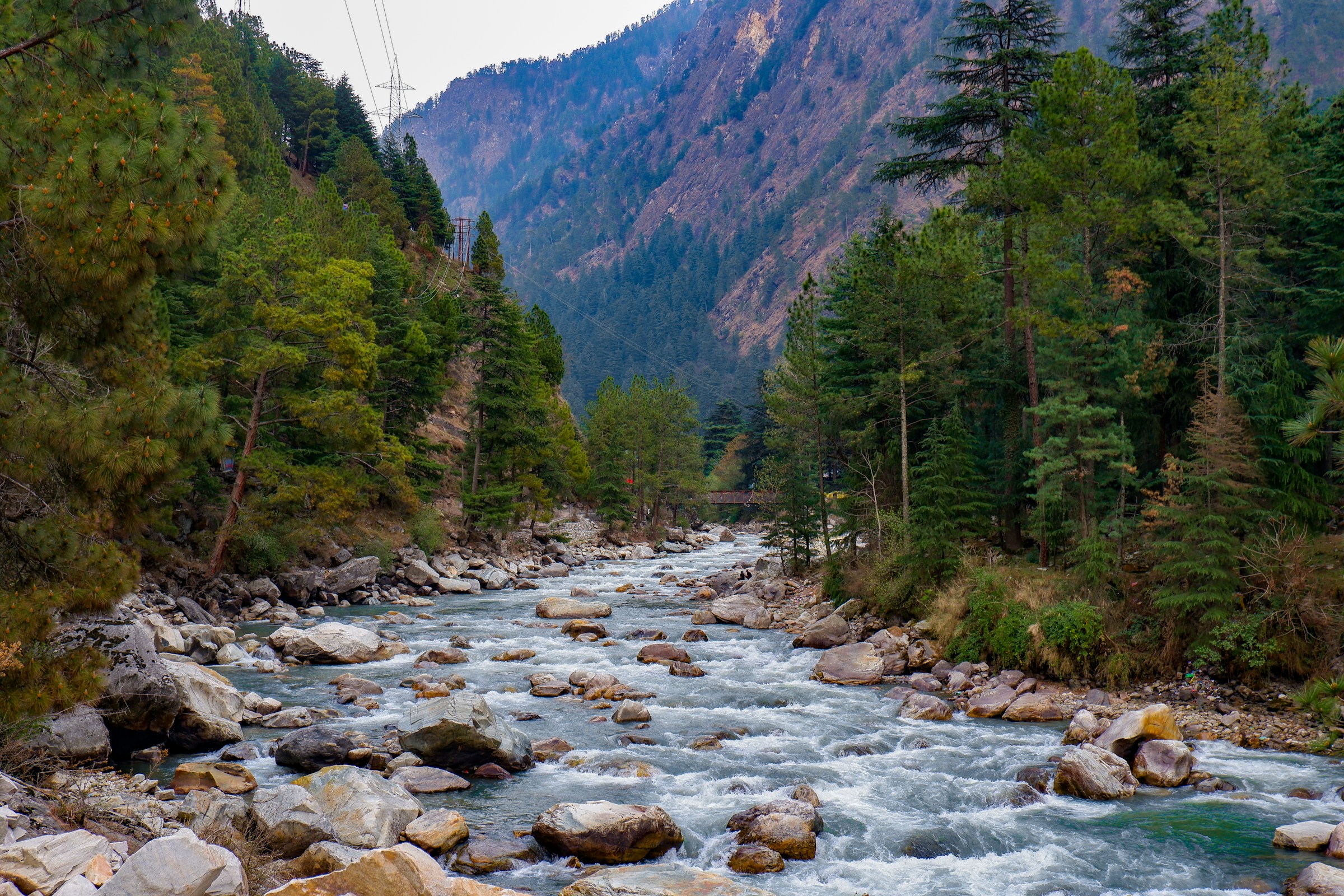
Kasol is a quaint little village in Himachal situated along the banks of the river Parvati. Commonly known as the 'Amsterdam of India', Kasol is a tourist attraction that is rapidly gaining fame as a popular hub for trekkers, backpackers, and nature lovers. The valley is situated 23 km from Bhuntar and next to the religious town of Manikaran and is one of the best places in the country just to sit back and chill in the panorama of snow-clad mountains, pine trees, and serene rivers.

Famous for its trekking trails, Kasol is popular for several treks to Kheerganga, Yanker Pass, Sar Pass, and Pin Parbati Pass. To get a real feel of the culture in this region, go on a trip to the village of Malana. Located a few kilometers away from Kasol, Malana is a tiny hamlet inhabited by people living in self-imposed isolation. The village has plenty of scenic sights, though, and is often called ‘Little Greece’.
Kasol is inhabited by a huge number of people from Israel, which is discernible from the plentifully available Israeli food and the street signposts inscribed in Hebrew. The valley has quite a few streetside cafes that serve delicious food, and the experience of sitting and enjoying a meal amidst the dark green forests and the awe-inspiring mountains makes the meal even more enjoyable. Don't forget to visit the flea market which sells a variety of items, such as trinkets, souvenirs, pendants, and even semi-precious stones on your way back home!
Kasol Travel Information
| Kasol Travel Detail | Important Information |
|---|---|
| Location | Parvati Valley, Kullu district, Himachal Pradesh |
| Altitude | Approximately 1,600–1,640 metres above sea level |
| Famous For | Parvati River, trekking, mountain villages, cafés, forests, and scenic Himalayan landscapes |
| Best Time to Visit | March to June and September to November for trekking and sightseeing |
| Monsoon | July to September can bring heavy rainfall, slippery trails, and landslide-related travel disruptions |
| Winter | December to February brings cold weather and possible snowfall, especially around higher villages |
| Ideal Trip Duration | 2–3 days for Kasol and nearby attractions; longer for treks |
| Nearest Airport | Kullu–Manali Airport, Bhuntar, approximately 30–32 km away |
| Nearest Railway | Joginder Nagar is the nearest narrow-gauge railhead; Chandigarh is a major rail option for long-distance travel |
| Main River | Parvati River |
| Popular Treks | Kheerganga, Grahan, Rasol, Sar Pass, and Pin Parvati Pass |
| Nearby Villages | Chalal, Tosh, Malana, Kalga, Pulga, and Barshaini |
| Nearby Attraction | Manikaran Sahib and its hot springs |
| Activities | Trekking, camping, nature walks, photography, café hopping, sightseeing, and exploring mountain villages |
| Local Experience | Riverside walks, local markets, cafés, handicrafts, and traditional mountain surroundings |
| Best For | Trekkers, backpackers, nature lovers, photographers, couples, and adventure travellers |
| How to Reach | Road connectivity from Bhuntar and Kullu through the Parvati Valley |
| Travel Tip | Check road and weather conditions before travelling, especially during monsoon and winter |
Kasol, a small village in the Parvati Valley of Himachal Pradesh, India, has gained popularity as a scenic and laid-back destination, especially among backpackers and nature enthusiasts. Located on the banks of the Parvati River, Kasol is known for its mesmerizing landscapes, hippie vibe, and easy access to other beautiful spots like Tosh, Kheerganga, and Malana. Here’s an overview of what makes Kasol a captivating destination:
Natural Beauty
Kasol is set against the backdrop of the Parvati Valley, offering lush green forests, tall pine trees, and the crystal-clear waters of the Parvati River flowing through the village. The valley’s scenery is both peaceful and inspiring, making it a perfect escape for nature lovers. The surrounding hills and riverbanks provide beautiful trails for leisurely walks and hikes, offering panoramic views of snow-capped peaks, especially in winter.
A Hub for Backpackers
Kasol is often called the “Mini Israel of India” due to the large number of Israeli tourists who visit and stay here. As a result, the village has developed a unique cultural fusion, with Israeli cafes, Hebrew signage, and Middle Eastern dishes like shakshuka and hummus available at many eateries. The town’s relaxed vibe, affordable accommodations, and friendly locals make it a popular spot for backpackers and those looking to unwind.
Trekking and Outdoor Adventures

Kasol is the starting point for several treks, each leading to unique and beautiful spots in the Parvati Valley. Popular treks include:
Kheerganga Trek: Known for its natural hot springs and stunning views, the Kheerganga Trek takes you through dense forests and small villages before reaching the hot water pools at the summit. The springs are believed to have healing properties, making this trek a rejuvenating experience.
Tosh Village: Located at the far end of the Parvati Valley, Tosh is a small village known for its scenic beauty and peaceful environment. The trek to Tosh offers breathtaking views of the valley and takes you through pine forests and waterfalls.
Chalal Trek: A short hike from Kasol, Chalal is a quaint village known for its rustic charm and serene surroundings. The trail passes along the river, offering a tranquil setting for travelers.
Parvati River
The Parvati River adds to the allure of Kasol, running alongside the village and creating a calming ambiance. The river is known for its crystal-clear, icy-cold waters and is a great spot for riverside picnics, photography, and relaxation. While swimming is not advised due to the river’s strong currents, simply sitting by the river or walking along its banks is an experience in itself, surrounded by the sounds of flowing water and chirping birds.
Malana Village
Malana, a remote and mysterious village near Kasol, is one of the most intriguing spots in the region. Known for its distinct culture and customs, Malana is often called the “village of taboos.” The villagers consider themselves descendants of Alexander the Great and have unique rules, beliefs, and practices. Malana is also known for its high-quality hashish, known as “Malana Cream,” attracting travelers from around the world. However, visitors are advised to respect the villagers’ customs, which include not touching sacred stones or interacting too closely with the locals.
Hippie Cafes and Food

Kasol is famous for its hippie cafes that serve a blend of Indian, Israeli, and Continental cuisine, with a distinct bohemian atmosphere. Some of the most popular cafes include Evergreen Cafe, Jim Morrison Cafe, and Buddha Place. These cafes often have outdoor seating, where you can enjoy views of the mountains and the river. Besides Israeli dishes, you can find Italian, Continental, and local Himachali cuisine. The ambiance, with laid-back music, colorful interiors, and cozy seating, adds to the relaxed vibe of Kasol.
Camping and Bonfires
Kasol is an excellent spot for camping, with several camping grounds offering both budget and luxury camping options. Camping under the starry skies with a bonfire and the sound of the Parvati River in the background creates a memorable experience. Some campsites are set up near the river, allowing visitors to enjoy the beauty of nature up close. Many campsites also organize musical events, storytelling sessions, and adventure activities, making the camping experience in Kasol unique and engaging.
Shopping for Handicrafts and Souvenirs
Kasol has small markets with stalls selling unique local handicrafts, clothing, and souvenirs. You can find woolen shawls, hemp-based products, jewelry, and handmade dreamcatchers. Shops in Kasol also sell distinctive items like tie-dye clothing, hand-knitted caps, and bags that reflect the hippie culture of the region. The flea markets are an ideal place to pick up souvenirs or gifts that remind you of Kasol’s unique charm.
Best Time to Visit
The best time to visit Kasol is between March and June when the weather is pleasant, with cool temperatures and clear skies. Spring and summer are ideal for trekking, camping, and other outdoor activities. Winter, from November to February, brings snowfall, transforming Kasol and the surrounding areas into a winter wonderland. However, winter also brings colder temperatures, so visitors should be prepared for chilly conditions. Monsoon season (July to September) is generally avoided due to landslides and heavy rainfall, which can make trekking and travel challenging
More Places to Explore
Frequently Asked Questions About Kasol
1. Where is Kasol located?
Kasol is a village in Himachal Pradesh's Parvati Valley, situated along the banks of the Parvati River.
2. What is Kasol famous for?
Kasol is famous for its scenic mountain landscapes, Parvati River, trekking trails, cafés, backpacker culture, and nearby villages.
3. What is the best time to visit Kasol?
March to June is generally suitable for trekking, camping, sightseeing, and outdoor activities. November to February is colder and can bring snowfall.
4. Which treks can be explored from Kasol?
Popular trekking routes around Kasol include Kheerganga, Chalal, Tosh, Sar Pass, and Pin Parvati Pass.
5. How far is Manikaran from Kasol?
Manikaran is located close to Kasol and can be easily included in a Parvati Valley sightseeing itinerary.
6. Can I visit Tosh Village from Kasol?
Yes, Tosh can be visited from Kasol as a nearby mountain village known for its scenic valley views and peaceful surroundings.
7. Is Kasol suitable for a family trip?
Yes, Kasol can be suitable for families interested in nature, mountain scenery, riverside walks, and relaxed sightseeing.
8. What activities can I do in Kasol?
Visitors can enjoy trekking, camping, nature walks, photography, café visits, riverside relaxation, and exploring nearby villages.
9. Is Kasol good for camping?
Yes, Kasol has several camping options where visitors can enjoy the surrounding forests, mountains, and Parvati River landscape.
10. Is Kasol safe to visit during the monsoon?
Monsoon travel requires extra caution because heavy rainfall can make roads and trekking trails difficult. Landslides may also affect travel in the Parvati Valley.