
Snowfall in Auli & Joshimath: Best Time, Weather & Winter Tips
Published on December 20, 2025 | Updated on August 28, 2026
Snowfall is one of the biggest reasons travellers visit Auli during winter. Located high in the Garhwal Himalayas near Joshimath, Auli is known for snow-covered slopes, skiing and panoramic mountain views.
However, snowfall in Auli is weather-dependent and cannot be guaranteed for a particular travel date. This guide focuses specifically on the Auli and Joshimath snowfall season, winter conditions, skiing period and practical snow-trip planning.
For complete sightseeing and attraction information, read our Auli Travel Guide.
When Does Snowfall Start in Auli?
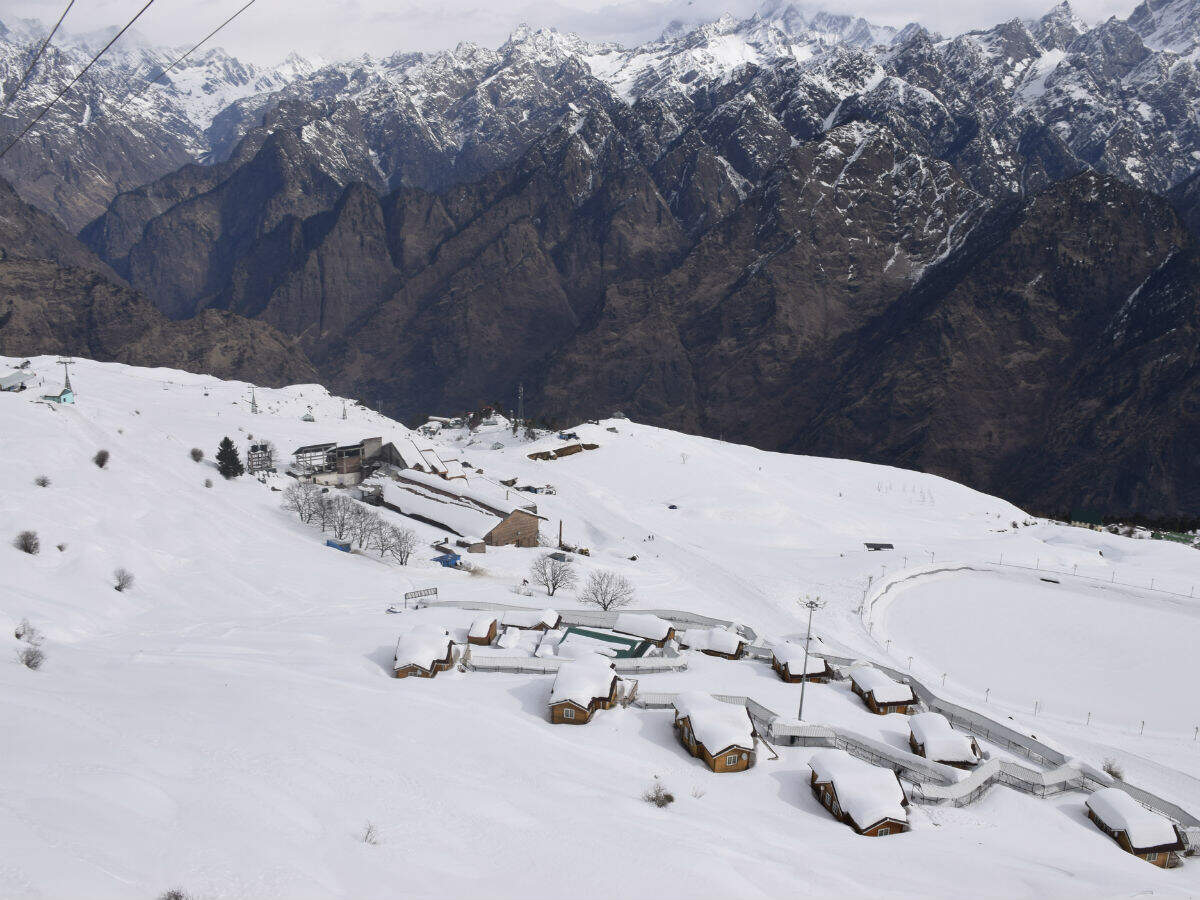
Auli’s main winter season generally runs from December to March. Uttarakhand Tourism identifies December–March as the peak snow period around Auli and recommends January–March particularly for skiing.
Snowfall varies every year depending on western disturbances and changing Himalayan weather patterns. Therefore, travellers should distinguish between:
- Fresh snowfall – snow actually falling during your visit
- Snow cover – previously fallen snow remaining on the slopes
- Skiing conditions – sufficient snow depth and suitable operational conditions
You may find snow on the ground even when there is no fresh snowfall during your stay.
Best Time to See Snow in Auli
December
December marks the beginning of the main winter period. Snowfall may occur, especially towards the later part of the month, but conditions vary from year to year.
Travellers visiting around Christmas and New Year should check current snow reports rather than assuming guaranteed snowfall.
January
January is generally one of the strongest periods for travellers prioritising snow and winter activities.
Uttarakhand Tourism recommends January to March for skiing enthusiasts, making January a good choice when your main objective is a proper winter experience.

February
February usually remains an important snow and skiing month. Existing snow cover may remain on higher slopes even between individual snowfall events.
It can be a good period for couples, groups and travellers who want to combine snow sightseeing with skiing.
March
Snow conditions become increasingly variable as the season progresses. Higher slopes may retain snow even while temperatures begin to rise.
March can still work for skiing depending on actual snow depth, which is why checking recent conditions is essential.
Does Joshimath Receive Snowfall?
Joshimath is the main base town for travellers heading towards Auli and is connected to Auli by road and ropeway infrastructure. Uttarakhand Tourism notes that Auli is around 14 km from Joshimath.
Weather in Joshimath and Auli can differ because of elevation. Travellers should therefore avoid assuming that snow conditions in Joshimath will be identical to those higher up in Auli.
Many visitors stay in Joshimath and travel towards Auli for snow activities and sightseeing.
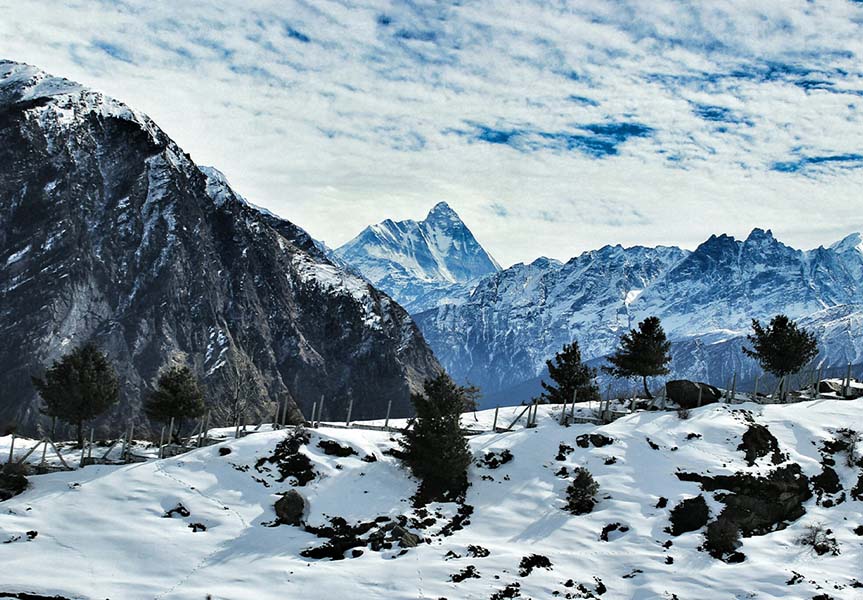
Auli Weather During Winter
Winter in Auli can be extremely cold, particularly during early mornings, evenings and after fresh snowfall.
Snow, ice and freezing conditions can affect:
- Road movement
- Walking trails
- Ropeway operations
- Skiing availability
- Local sightseeing schedules
Chamoli district officially describes the regional winter season as roughly mid-November to March, while climate varies significantly with altitude. (Chamoli District Website)
Before departure, check the latest Uttarakhand forecast from the India Meteorological Department – Dehradun, which provides state and district-level forecasts and warnings. (Mausam)
Skiing During Snowfall Season in Auli
Auli is recognised by Uttarakhand Tourism as one of India’s premier skiing destinations, with slopes suitable for beginners as well as experienced skiers.
The official tourism portal identifies January to March as the preferred skiing period, while its skiing information notes peak snow conditions broadly between December and March.
Beginners should use trained instructors and proper equipment rather than attempting skiing independently.
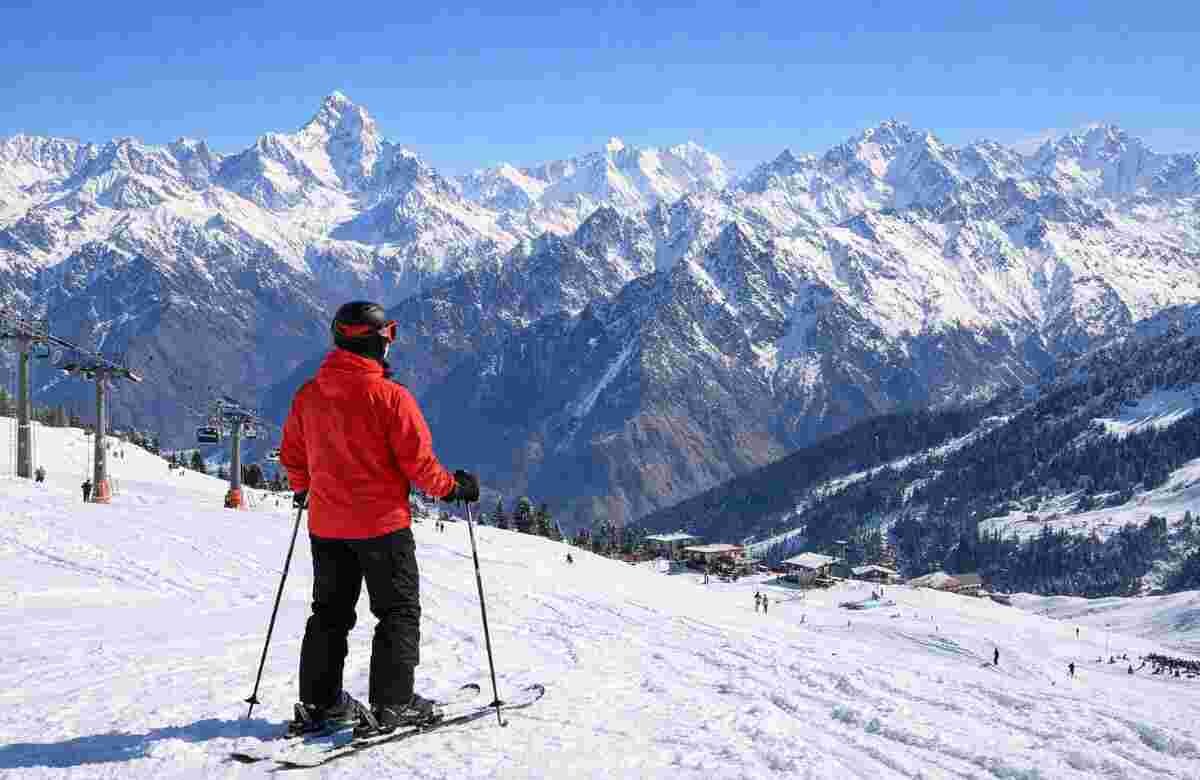
Actual skiing availability depends on:
- Snow depth
- Slope conditions
- Weather
- Equipment availability
- Local operations
So avoid booking a winter trip solely on the assumption that skiing will operate every day.
Auli Ropeway During Winter
The ropeway between the Joshimath side and Auli is one of the destination’s popular winter experiences and offers elevated Himalayan views.
During heavy snowfall or difficult weather, operations may be affected. Confirm the latest status locally instead of building your entire itinerary around a fixed ropeway schedule.
Road Conditions During Snowfall

Snow and ice can affect mountain roads around Joshimath and Auli. Heavy snowfall may cause delays, temporary restrictions or the need for local vehicle arrangements.
For winter travel:
- Start road journeys early
- Keep buffer time in your itinerary
- Avoid unnecessary night driving
- Follow local traffic instructions
- Do not attempt closed or unsafe roads
- Keep essential medicines and warm clothing accessible
Weather conditions can change quickly in Himalayan terrain.
What to Pack for an Auli Snow Trip

Carry proper winter gear instead of relying only on regular jackets.
Essential items include:
- Thermal innerwear
- Insulated winter jacket
- Waterproof shoes
- Woollen socks
- Gloves
- Warm cap
- Sunglasses
- Sunscreen
- Personal medicines
- Power bank
- Government-issued ID
Waterproof footwear is particularly useful when walking through snow or slush.
Important Snowfall Travel Tips
Never plan your trip around a promise of “guaranteed snowfall.” Fresh snowfall is a natural weather event and exact dates cannot be predicted far in advance.
Check forecasts closer to your travel date and keep some flexibility in your itinerary.
If your priority is simply to see accumulated snow, your travel window can be broader than someone specifically trying to witness active snowfall.
For travellers who want transportation, stay and sightseeing arranged together, explore our Auli Tour Package.
Frequently Asked Questions About Snowfall in Auli & Joshimath
1. When does snowfall usually start in Auli?
Snowfall can begin during the early winter period, but December to March is generally considered the main snow season. Exact timing varies each year.
2. Which month is best for snow in Auli?
January and February are generally strong choices for travellers prioritising winter snow conditions, while official tourism guidance recommends January–March for skiing. (Uttarakhand Tourism)
3. Is snowfall guaranteed in Auli in December?
No. December is part of the winter season, but fresh snowfall cannot be guaranteed on any specific date.
4. Can I see snow in Auli without fresh snowfall?
Yes. Snow from previous weather systems may remain on higher slopes even when no fresh snowfall occurs during your visit.
5. Does Joshimath get the same snowfall as Auli?
Not necessarily. Conditions can differ between Joshimath and higher-altitude Auli, so check local conditions for both locations separately.
6. Is skiing available throughout winter in Auli?
Skiing depends on sufficient snow and operational conditions. January to March is generally considered the preferred skiing period.
7. Is Auli safe during heavy snowfall?
Auli can be visited during winter, but travellers should follow weather advisories, local road instructions and activity safety guidance. Plans may need to change during severe weather.
Plan Your Auli Snowfall Trip
For the best winter experience, plan around the snow season rather than a guaranteed snowfall date. Check recent weather reports shortly before departure, carry proper winter clothing and keep flexibility for road or activity changes.
Auli remains one of Uttarakhand’s established skiing destinations, with official tourism guidance highlighting winter—particularly January to March—as its key skiing period. (Uttarakhand Tourism)


