
Darjeeling Culture and Heritage: Tea, Food & Local Experiences
Published on February 08, 2025 | Updated on August 28, 2026
Darjeeling is more than mountain views and tea gardens. Its real character comes from a fascinating mix of Himalayan traditions, Buddhist heritage, local cuisine, historic railways, handicrafts and communities that have shaped life in the hills over generations.
Exploring Darjeeling culture and heritage allows travellers to experience the destination beyond regular sightseeing. You can walk through a working tea estate, visit peaceful monasteries, ride the historic Toy Train, taste local dishes and discover traditional crafts that reflect influences from across the eastern Himalayas. The Darjeeling district administration also highlights the region's distinctive handicrafts, textiles and artistic traditions shaped by neighbouring Himalayan cultures.
What Makes Darjeeling's Culture Unique?
Darjeeling's identity has developed through a blend of Himalayan traditions, tea-estate history, Buddhist influences and its colonial-era development as a hill town.
This cultural diversity can be experienced through:
- Tea gardens and tea-making traditions
- Buddhist monasteries
- Local food
- Traditional handicrafts
- The Darjeeling Himalayan Railway
- Festivals and religious traditions
- Local markets and everyday hill life
Instead of rushing only between viewpoints, spending time with these experiences gives visitors a deeper understanding of Darjeeling.
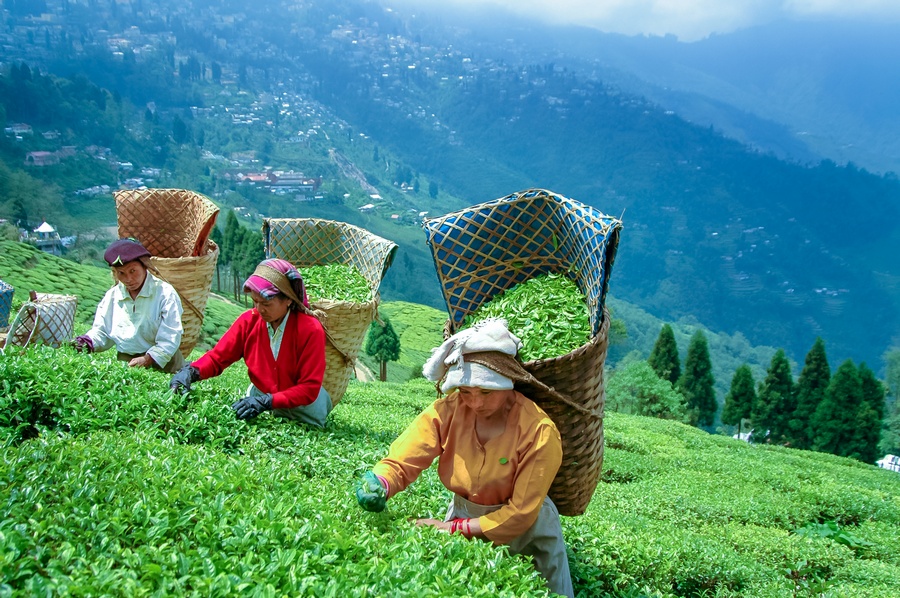
Experience Darjeeling's Famous Tea Culture
Tea is one of the strongest symbols of Darjeeling.
The hills surrounding the town are covered with plantations that have shaped the landscape, economy and international identity of the region for generations.
Visit Happy Valley Tea Estate
Happy Valley Tea Estate is one of the best-known tea gardens near Darjeeling. Established in 1854, the estate spreads across approximately 177 hectares and is located close to the town.
Visitors may be able to learn about:
- Tea cultivation
- Leaf plucking
- Tea processing
- Different tea varieties
- The journey from plantation to cup
You can find more information through the official Happy Valley Tea Estate guide.
When visiting any working estate, remember that access to production areas and factory tours can depend on season and current operations.
Explore Darjeeling's Buddhist Heritage
Monasteries are an important part of Darjeeling's cultural landscape and provide a peaceful contrast to its busy markets and tourist areas.
Ghoom Monastery
Ghoom is among the best-known monastery areas around Darjeeling and is often included with a visit to Batasia Loop.
Visitors should maintain silence, dress respectfully and follow photography instructions when entering religious spaces.
Bhutia Busty Monastery
Also known as Karma Dorjee Chyoling Monastery, Bhutia Busty Monastery represents another important part of Darjeeling's Buddhist heritage. The Darjeeling district administration notes that the monastery was relocated to its present area in the nineteenth century and later rebuilt following the 1934 earthquake.
Dali Monastery
Dali Monastery lies between Darjeeling and Ghoom. It belongs to the Drukpa Kagyud tradition of Tibetan Buddhism and was built in 1971.
The peaceful atmosphere, prayer halls and traditional architecture make these monasteries worthwhile cultural stops rather than simply photography locations.
Ride the Darjeeling Himalayan Railway
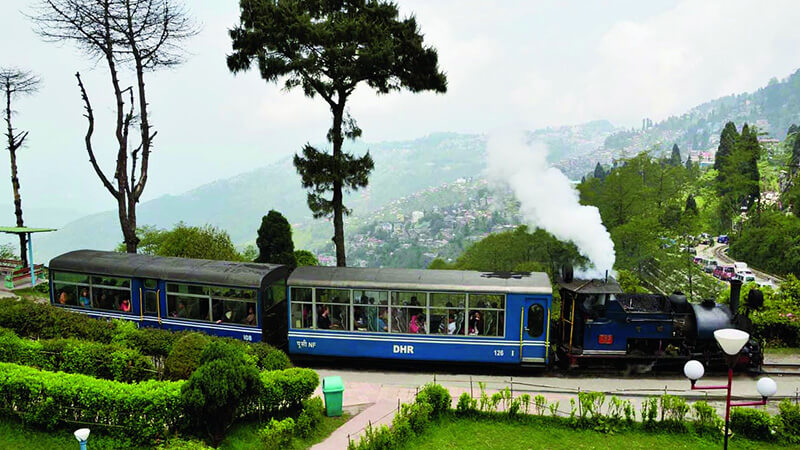
The Darjeeling Himalayan Railway, popularly known as the Toy Train, is one of the town's most important heritage experiences.
Opened in 1881, the railway was inscribed on the UNESCO World Heritage List in 1999 and today forms part of the Mountain Railways of India World Heritage property.
A Toy Train journey gives travellers a different view of Darjeeling's history while passing through hill settlements and famous railway features such as Batasia Loop.
Learn more from the official UNESCO Mountain Railways of India page.
Travel Tip: Toy Train seats are subject to schedule and availability, so book separately in advance if the ride is important to your trip.
Taste the Local Food of Darjeeling
Food is one of the easiest ways to experience Darjeeling local culture.
The cuisine reflects several Himalayan influences, and the district's official tourism resources feature dishes such as momos, thukpa and other local preparations.
Local Foods to Try
Momos: Steamed or fried dumplings served with spicy chutney.
Thukpa: A warm noodle soup particularly comforting in Darjeeling's cool weather.
Sel Roti: A traditional ring-shaped rice preparation associated with festive and community occasions.
Gundruk: Fermented leafy greens used in traditional Himalayan cooking.
Local Tea: No Darjeeling experience is complete without tasting freshly brewed Darjeeling tea.
Instead of limiting yourself to hotel restaurants, try established local cafés and eateries where possible.
Discover Traditional Handicrafts
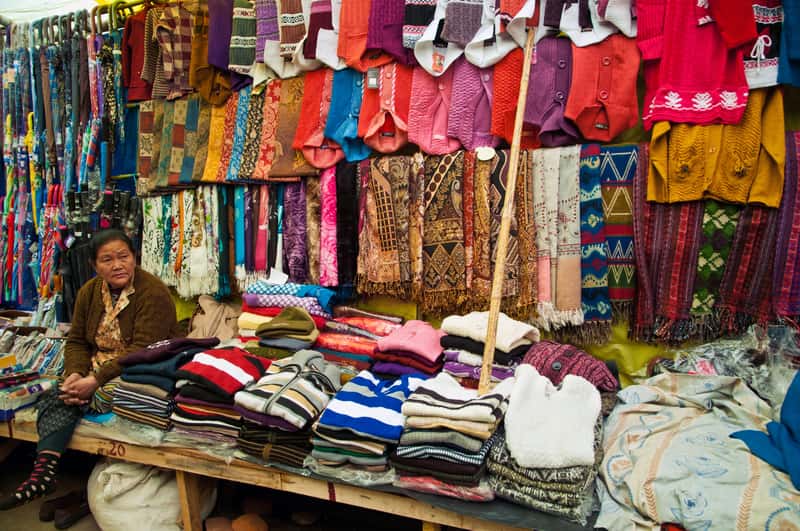
Darjeeling's handicrafts are another reflection of its cultural diversity.
According to the district administration, traditional crafts include wood and bamboo work, metal artefacts, jewellery, paintings, carpets, woollen garments and decorative products influenced by Himalayan artistic traditions.
Tibetan Refugee Self-Help Centre
A particularly meaningful cultural stop is the Tibetan Refugee Self-Help Centre at Lebong.
Established in 1959, the centre developed handicraft production and artisan training as part of its support for the Tibetan refugee community.
Visitors can learn about traditional craftsmanship and, depending on current operations, explore locally produced handicrafts.
Official information is available through the Tibetan Refugee Self-Help Centre.
Explore Chowrasta & Local Markets
Cultural experiences do not always require a museum or monument.
Spend some time walking around Chowrasta and Mall Road, where everyday life, cafés, shops and travellers come together.
Look for:
- Local tea
- Woollen products
- Handicrafts
- Souvenirs
- Traditional snacks
- Locally made products
Shopping from genuine local businesses can also help support the communities behind the destination's tourism economy.
Experience Local Festivals & Traditions
Darjeeling celebrates festivals connected with its diverse communities and religious traditions.
The district tourism portal lists celebrations such as Buddha Jayanti, Bhai Tika and other local religious and community festivals.
If your trip happens to coincide with a celebration, observe respectfully rather than treating religious or community events solely as tourist entertainment.
Festival dates can vary each year, so check current information before planning a trip specifically around one.
How to Experience Darjeeling Culture Responsibly
A cultural trip becomes more meaningful when travellers respect the people and places they visit.
Keep these simple points in mind:
- Ask before photographing people.
- Follow photography rules inside monasteries.
- Dress respectfully at religious places.
- Avoid touching religious objects without permission.
- Buy handicrafts from genuine local sellers.
- Avoid littering in tea gardens and public spaces.
- Do not enter restricted areas of working tea estates.
- Keep noise low inside monasteries and temples.
- Respect local customs and daily life.
Combine Culture with Darjeeling Sightseeing
Culture does not need to replace regular sightseeing.
A balanced Darjeeling trip can combine:
- Tiger Hill
- Batasia Loop
- Tea gardens
- Monasteries
- Toy Train
- Local food
- Chowrasta
- Peace Pagoda
- Himalayan Mountaineering Institute
- Local markets
For attraction-focused planning, read our Best Places to Visit in Darjeeling.
For practical planning, best time and transportation information, explore our Darjeeling Travel Guide.

FAQs About Darjeeling Culture and Heritage
1. What is Darjeeling famous for culturally?
Darjeeling is known for its tea heritage, Himalayan communities, Buddhist monasteries, Toy Train, local cuisine, handicrafts and diverse religious traditions.
2. What is special about Darjeeling tea culture?
Tea estates have shaped Darjeeling's landscape and identity for generations. Visitors can explore tea gardens and learn how tea moves from the plantation to the finished product.
3. Which monasteries can I visit in Darjeeling?
Popular options include Ghoom Monastery, Bhutia Busty Monastery and Dali Monastery.
4. Is the Darjeeling Toy Train a UNESCO World Heritage Site?
Yes. The Darjeeling Himalayan Railway was inscribed on UNESCO's World Heritage List in 1999 and is now part of the Mountain Railways of India property.
5. What local food should I try in Darjeeling?
Popular choices include momos, thukpa, sel roti, gundruk-based dishes and locally produced Darjeeling tea.
6. Where can I experience traditional handicrafts in Darjeeling?
Local markets and the Tibetan Refugee Self-Help Centre are useful places to learn about or shop for traditional crafts.
7. Is Happy Valley Tea Estate worth visiting?
Yes, especially for travellers interested in Darjeeling's tea heritage and plantation landscapes. Visitor activities may depend on season and current estate operations.
8. How many days are enough to explore Darjeeling's culture?
Two to three days can cover the main cultural attractions when combined with regular sightseeing, while a 4 Nights/5 Days trip allows a more relaxed experience.
9. Can families enjoy Darjeeling's cultural attractions?
Yes. Tea gardens, the Toy Train, monasteries, local markets and cultural centres can all be included in a family itinerary.
10. What should tourists keep in mind when visiting monasteries?
Dress respectfully, maintain silence, follow local instructions and ask before taking photographs inside prayer halls or of religious ceremonies.
Conclusion
Exploring Darjeeling culture and heritage reveals a side of the hill town that goes far beyond scenic viewpoints.
Its tea estates tell the story of an industry that became internationally recognised, monasteries preserve Himalayan Buddhist traditions, the Toy Train reflects its historic development, and local food and handicrafts show how different cultural influences have become part of everyday life.
Spend time tasting local tea, walking through neighbourhoods, visiting monasteries and understanding the stories behind the places you see. These experiences can make a Darjeeling trip far more memorable than sightseeing alone.
Plan Your Darjeeling Holiday
Want to combine cultural experiences with Darjeeling's major tourist attractions?
Explore TourMyHoliday's Darjeeling Tour Package with accommodation, transfers and planned sightseeing for a comfortable hill getaway.


