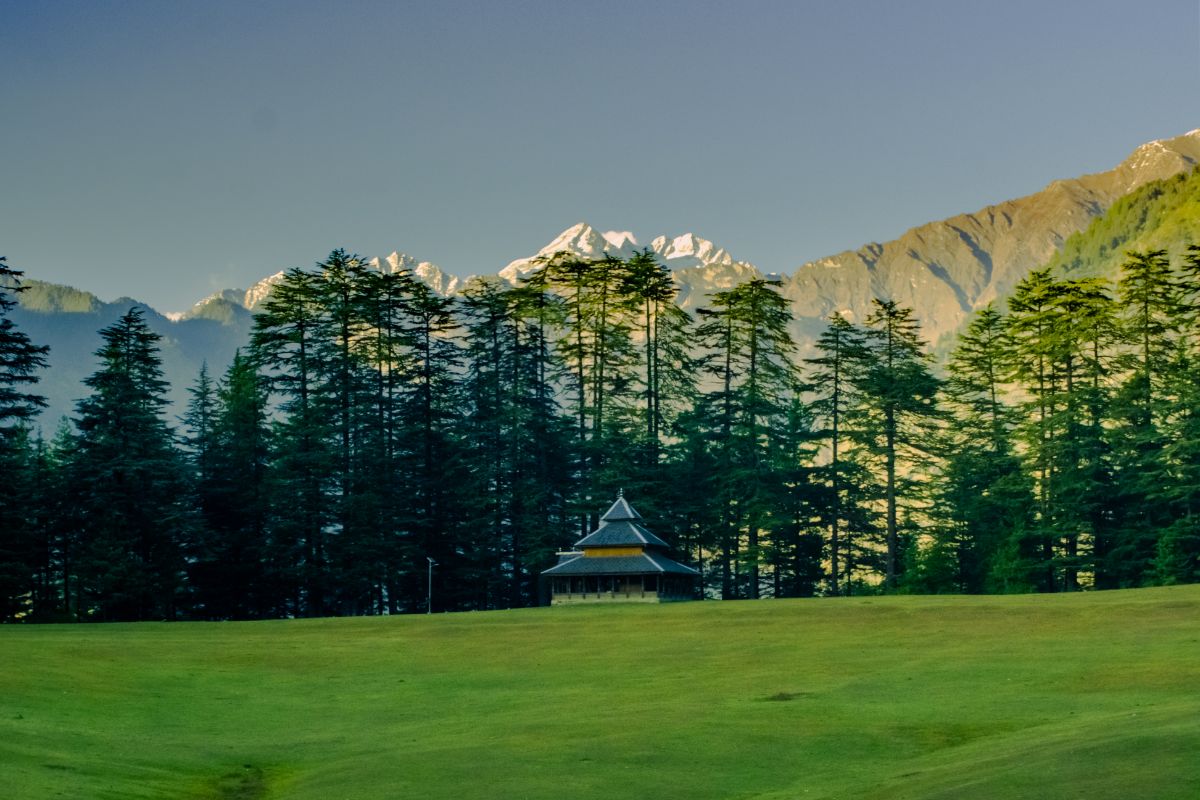
Sainj Valley,
Published on February 13, 2025
Hidden in the Kullu district of Himachal Pradesh, Sainj Valley is an ideal destination for travellers who want mountains, forests and traditional village life without building their entire trip around busy tourist markets and café hopping.
The valley forms part of the wider Great Himalayan National Park landscape and is known for the Sainj River, forested slopes, traditional temples, small Himalayan settlements and the beautiful meadows of Shangarh. Unlike a fast-paced sightseeing destination, Sainj is best experienced slowly—walking through villages, spending time around the meadows and planning deeper forest excursions only when conditions and permissions allow.
For travellers searching for an offbeat place in Himachal Pradesh, this Sainj Valley travel guide covers how to reach the valley, the best places to visit, the ideal season, where to stay, suggested trip duration and practical tips for planning your journey.
Where Is Sainj Valley?
Sainj Valley lies in the eastern part of Kullu district in Himachal Pradesh. The valley follows the Sainj River and is closely connected with the protected landscape surrounding the Great Himalayan National Park Conservation Area.
The official Great Himalayan National Park Sainj Valley guide highlights Shangarh, the Sainj River, traditional temples, forest areas and trekking trails as key features of the region.
Sainj is a useful choice for travellers looking for a quieter alternative to the more established tourist circuit around Jibhi and Tirthan Valley. That does not mean there is nothing to do here. The appeal is simply different: fewer commercial attractions and more time spent in natural and village surroundings.

Why Visit Sainj Valley?
The strongest reason to visit Sainj Valley is its combination of accessible village experiences and proximity to a major protected Himalayan landscape.
You can spend a relaxed trip around Shangarh without attempting a difficult trek, or use the valley as a starting point for a more serious nature-focused journey with local guidance.
Sainj Valley is particularly suitable for nature lovers, photographers, couples looking for a quiet mountain break, small groups, slow travellers and trekkers planning routes around the Great Himalayan National Park region.
It also works well for travellers who have already visited popular Himachal destinations and now want to explore somewhere with a more rural character.
Best Places to Visit in Sainj Valley
1. Shangarh Meadows
Shangarh Meadows are the best-known attraction in Sainj Valley and one of the easiest reasons to include the region in a Himachal itinerary.
The broad meadow is surrounded by forested mountain scenery and sits beside the traditional settlement of Shangarh. Instead of rushing through it as a quick photo stop, keep enough time to walk around the village, observe the landscape and enjoy the slower pace.
Early mornings and late afternoons are particularly pleasant for walking and photography, while the surrounding village offers a glimpse of everyday life in the valley.
If you want transport, stay and sightseeing planned together, you can also explore the Shangarh Tour Package.
2. Traditional Temples of Shangarh
Sainj Valley has a strong local religious and architectural identity. Traditional temples built with Himalayan wood-and-stone techniques remain an important part of village culture.
While visiting temples, travellers should treat them as active places of worship rather than tourist props. Follow local instructions regarding footwear, photography and access to particular areas.
This cultural side of Sainj is one of the reasons the valley deserves more than a rushed day trip.
3. Sainj River
The Sainj River shapes much of the valley and adds a completely different character to the landscape.
Depending on your stay location, you can enjoy riverside views, short walks and quiet time near the lower sections of the valley. During or immediately after heavy rain, however, maintain a safe distance from fast-flowing water and follow local advice.
The river is also environmentally important: the UNESCO-listed Great Himalayan National Park Conservation Area includes the headwater catchments of the Sainj and other major rivers of this Himalayan region. You can read more on the UNESCO Great Himalayan National Park Conservation Area page.
4. Ropa and Neuli
Travellers interested in going deeper into Sainj Valley should become familiar with villages such as Ropa and Neuli.
Neuli is an important roadhead for treks entering the Sainj side of the Great Himalayan National Park landscape, while the Ropa area connects towards Shangarh.
These areas are more relevant to travellers planning hiking or forest exploration than to someone visiting only for a casual meadow trip. For deeper routes, arrange appropriate local guidance rather than relying only on online maps.
5. Great Himalayan National Park Landscape
One of the biggest reasons to choose Sainj Valley is its connection with the Great Himalayan National Park Conservation Area, a UNESCO World Heritage Site recognised for its Himalayan ecosystems and biodiversity.
A visit to Shangarh should not be confused with automatically entering every protected or core forest area. Longer treks and protected-area activities may involve permits, guides or specific rules.
If your main objective is trekking, contact the park authorities or an experienced local operator before finalising your itinerary.
How to Reach Sainj Valley

For most road travellers, Aut is the main gateway towards Sainj Valley.
A typical route from Delhi follows:
Delhi → Chandigarh → Bilaspur → Mandi → Aut → Larji → Sainj → Shangarh
After leaving the main Chandigarh-Manali highway region around Aut/Larji, the journey continues deeper into the valley.
The official GHNP access information identifies Neuli as the roadhead for trekking on the Sainj side and notes that the road climbing from the Ropa side towards Shangarh is narrow. Mountain-road conditions can change, so travellers should confirm the latest situation with their stay or local driver before departure.
Reaching Sainj Valley by Bus
Budget travellers can take a bus towards the Kullu-Manali corridor and get down at a suitable connecting point such as Aut, depending on the service.
From there, continue towards Sainj using current local buses, shared vehicles or a taxi.
Do not depend on an old online timetable. Bus frequency, stopping points and seasonal schedules can change.
Reaching by Private Car or Cab
A private cab is generally the most convenient option for couples, families or groups carrying luggage.
Self-drive travellers should be comfortable with narrow mountain roads and should preferably cover unfamiliar interior stretches during daylight.
Always keep extra travel time for mountain traffic, road work, rain or temporary restrictions.
Best Time to Visit Sainj Valley

For most travellers, March to June and September to November are practical periods for exploring Sainj Valley.
Spring and early summer are suited to village walks, green landscapes and outdoor sightseeing. September to November usually offers clearer post-monsoon conditions and is particularly attractive for photography and hiking.
The official Great Himalayan National Park guidance considers autumn especially favourable for outdoor activities across the wider park region.
Sainj Valley During Monsoon
July and August bring greener landscapes but also more rain.
Mountain roads and trails may become slippery, travel times can increase and landslide-related disruption is possible in Himachal during wet weather. Keep your itinerary flexible and check current road conditions before travelling.
Sainj Valley in Winter
Winter gives the valley a much quieter atmosphere, with cold conditions and the possibility of snow around higher areas.
Road access and trekking routes can be affected by snowfall, so do not assume that every place mentioned in a summer itinerary will remain accessible in December, January or February.
Where to Stay in Sainj Valley
Homestays are one of the best ways to experience Sainj Valley because they keep you close to the villages and local landscape.
Shangarh is the most convenient base for first-time visitors because it combines accommodation options with easy access to the meadow and village surroundings.
Travellers planning deeper GHNP exploration can also investigate accommodation around Ropa or official forest rest house options, subject to availability and applicable booking rules.
Instead of choosing only by price, check the exact location of your stay, road access, parking availability, meals and distance from the places you actually plan to visit.
How Many Days Are Enough for Sainj Valley?
For a first trip, 2 nights and 3 days works well.
Day 1: Reach Shangarh
Arrive in Sainj Valley, check into your stay and keep the first day relaxed.
Explore Shangarh village, walk around the meadow and visit nearby cultural sites according to local access rules.
Avoid adding a long trek immediately after a full road journey.
Day 2: Explore Sainj Valley
Use the second day for a deeper valley experience.
Depending on your interests and current conditions, explore riverside areas, nearby villages or a guided nature trail. Travellers interested in GHNP trekking should use this day only for routes suitable to their preparation, permits and available daylight.
Day 3: Slow Morning and Departure
Spend a quiet morning in Shangarh before beginning the return journey.
If you have additional days, you can continue towards the Jibhi-Tirthan region rather than trying to cover both valleys in a single rushed day.
For more attractions and nearby experiences, explore our guide to Places to Visit in Jibhi.
Travellers who prefer a pre-planned Jibhi extension can also check the Jibhi & Tirthan Valley Tour Package.
Sainj Valley or Tirthan Valley: Which Should You Choose?
Choose Sainj Valley if your priority is a quieter village atmosphere, Shangarh Meadows, nature, photography and access to the Sainj side of the GHNP landscape.
Choose Tirthan or Jibhi if you want a more developed short-break circuit with a wider selection of commonly visited attractions and tourist-oriented stays.
If you have four to five days or more, combining the two regions can create a balanced trip. Just avoid treating them as one destination—mountain roads take time, and a slower itinerary is usually more enjoyable.

Important Sainj Valley Travel Tips
Carry some cash because digital payments and mobile connectivity can be inconsistent in mountain areas. Save important maps and booking details offline before entering the valley.
Start road journeys and hikes early enough to avoid unnecessary travel after dark. Wear shoes suitable for uneven trails, carry an extra layer even when days feel comfortable and keep basic rain protection during changeable weather.
For any GHNP trek, check current permits, guide requirements and trail conditions before starting.
Most importantly, travel responsibly. Do not leave plastic or food waste in meadows and forests, avoid loud music in natural areas, respect village property and follow instructions around temples and protected landscapes.
Also Explore: Places Near Jibhi
Frequently Asked Questions About Sainj Valley
1. Is Sainj Valley worth visiting?
Yes. Sainj Valley is worth visiting for travellers interested in peaceful Himalayan villages, Shangarh Meadows, forests, local culture and the wider Great Himalayan National Park landscape. It is better suited to slow travel than to a long checklist of commercial attractions.
2. What is Sainj Valley famous for?
Sainj Valley is best known for Shangarh Meadows, traditional Himalayan villages and temples, the Sainj River and its connection with the Great Himalayan National Park Conservation Area.
3. How many days are enough for Sainj Valley?
Two nights and three days are enough for a relaxed first visit focused on Shangarh and nearby parts of the valley. Add more days if you want guided trekking or want to combine Sainj with Jibhi and Tirthan Valley.
4. What is the best time to visit Sainj Valley?
March to June and September to November are convenient periods for most sightseeing trips. Autumn is particularly suitable for clearer weather, while winter and monsoon travel require more flexibility because road and trail conditions may change.
5. How do I reach Shangarh in Sainj Valley?
Most travellers approach through Aut and Larji before continuing towards Sainj and the road leading to Shangarh. The final mountain sections can be narrow, so check current road conditions before travelling.
6. Do I need a permit to visit Sainj Valley?
You do not need to treat ordinary village sightseeing in the same way as a protected-area trek. However, entry into certain Great Himalayan National Park areas and organised trekking routes may involve permits, fees or guide requirements. Check current rules with the park authorities before your trek.
7. Can I visit Sainj Valley from Jibhi?
Yes, Sainj and Jibhi can be combined in the same Himachal itinerary. However, allow enough travel time rather than trying to cover Shangarh, Jibhi, Tirthan Valley and Jalori Pass in one day.
8. Sainj Valley suitable for families?
A relaxed Shangarh-focused trip can work well for families comfortable with mountain-road travel and walking. Longer treks should be selected according to individual fitness, weather and trail conditions.
Final Thoughts
Sainj Valley is not a destination that needs an overloaded sightseeing plan.
Its real appeal lies in spending time around Shangarh, walking through quiet village surroundings, watching the landscape change through the day and exploring the Great Himalayan National Park region responsibly.
Plan at least two nights, keep road and weather conditions in mind and leave room in your schedule for unplanned moments. If your idea of a Himachal holiday is less about crowded markets and more about forests, meadows, traditional villages and slow mountain travel, Sainj Valley deserves a place on your itinerary.