
Barsu Village
Published on December 16, 2025
Dayara Bugyal Trek via Barsu Village
Dayara Bugyal is one of the most beautiful and largest alpine meadows in Uttarakhand, and Barsu Village is one of its most popular and convenient starting points. Located in the Uttarkashi district, Barsu offers a classic trekking route that combines scenic forests, open grasslands, Himalayan views, and peaceful camping experiences. This route is especially famous among first-time trekkers, families, and nature lovers who want to experience high-altitude meadows without extremely difficult climbs.
Barsu Village lies at an altitude of around 2,200 meters and is well connected by road from Uttarkashi. From here, the trail gradually ascends through dense oak and rhododendron forests before opening into the vast green stretches of Dayara Bugyal. The trek is known for its well-marked paths, moderate gradients, and breathtaking scenery at every turn.
Why Choose Dayara Bugyal via Barsu Village?
The Barsu route is considered slightly more scenic and comfortable compared to other approaches. It offers excellent camping locations, steady altitude gain, and wide meadow views once you reach the bugyal. The trail is safe, less technical, and perfect for beginners who want to experience Himalayan trekking for the first time.
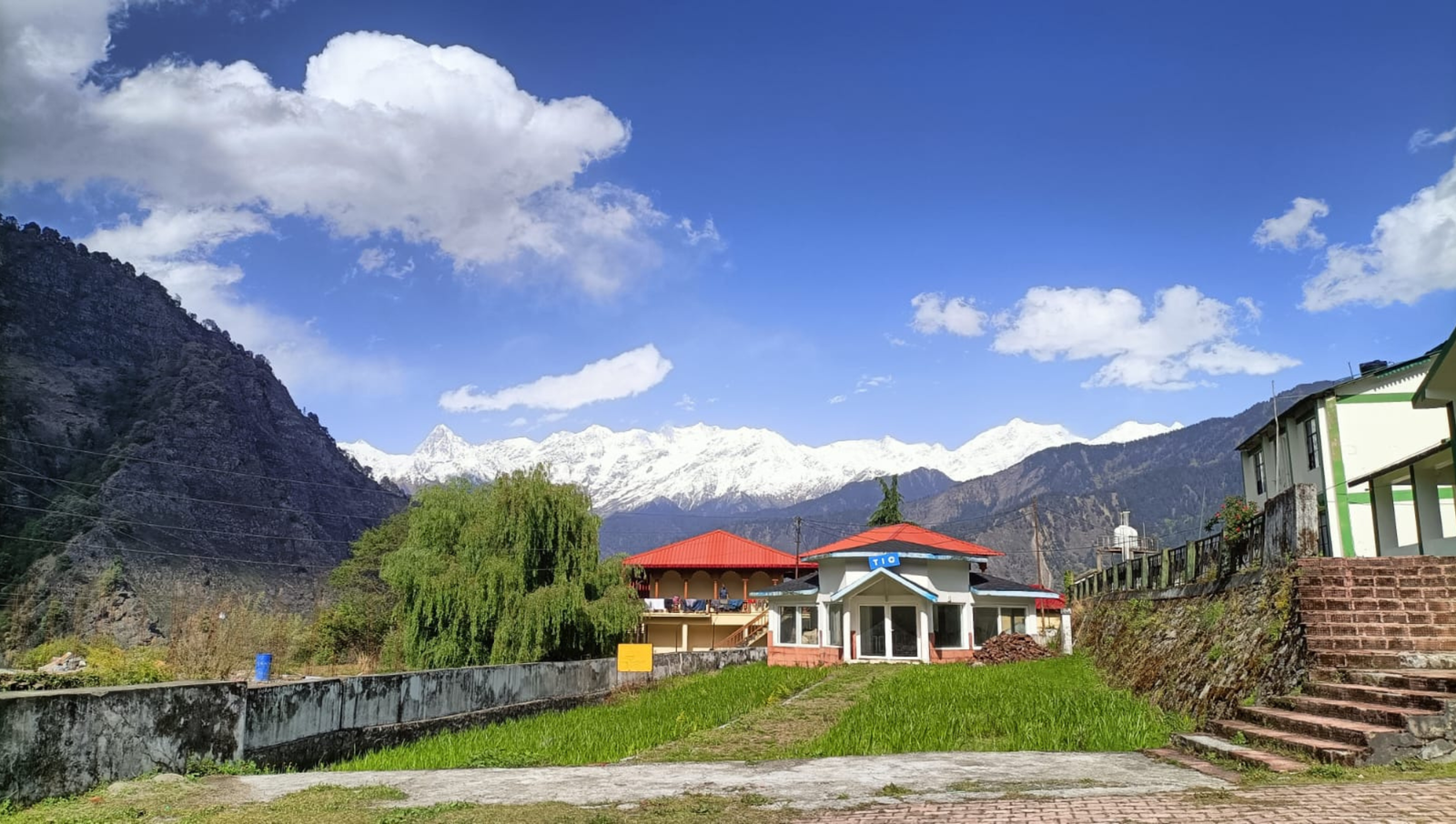
Another advantage of starting from Barsu is the availability of local homestays, guides, and porters. Villagers are friendly and experienced in hosting trekkers, making the journey smoother and more authentic.
Quick Facts About Dayara Bugyal (Barsu Route)
| Feature | Details |
|---|---|
| Location | Uttarkashi district, Uttarakhand |
| Base Village | Barsu Village |
| Base Altitude | ~2,200 meters |
| Highest Point | ~3,600 meters (Dayara Bugyal) |
| Trek Distance | Approx. 18–22 km (round trip) |
| Trek Difficulty | Easy to Moderate |
| Best For | Beginners, families, nature lovers |
How to Reach Barsu Village
Barsu Village is easily accessible by road.
-
From Dehradun: Drive to Uttarkashi (approx. 8–9 hours), then another 30–35 km to Barsu.
-
From Uttarkashi: Local taxis and shared jeeps are available to Barsu Village.
-
Nearest Railway Station: Dehradun
-
Nearest Airport: Jolly Grant Airport, Dehradun
The road journey itself is scenic, following rivers, forests, and mountain landscapes.
Trek Route Overview (Barsu to Dayara Bugyal)
The trek from Barsu is gradual and enjoyable. The trail passes through forests, clearings, and finally opens into massive alpine meadows.
| Day | Route | Description |
|---|---|---|
| Day 1 | Dehradun → Uttarkashi → Barsu | Drive, village walk, acclimatisation |
| Day 2 | Barsu → Barnala Tal | Trek through the forest, camp near the lake |
| Day 3 | Barnala Tal → Dayara Bugyal | Meadow walk, explore & camp |
| Day 4 | Dayara Bugyal → Barsu → Return | Trek down and drive back |
(Itinerary can be shortened or extended depending on time and fitness.)
Barnala Tal – A Beautiful Stopover
Barnala Tal is a small high-altitude lake located on the Barsu route. It is surrounded by alpine vegetation and makes an excellent camping spot. Many trekkers prefer to camp here before moving on to Dayara Bugyal the next day. The lake adds charm and variety to the trek.
Natural Beauty & Landscapes
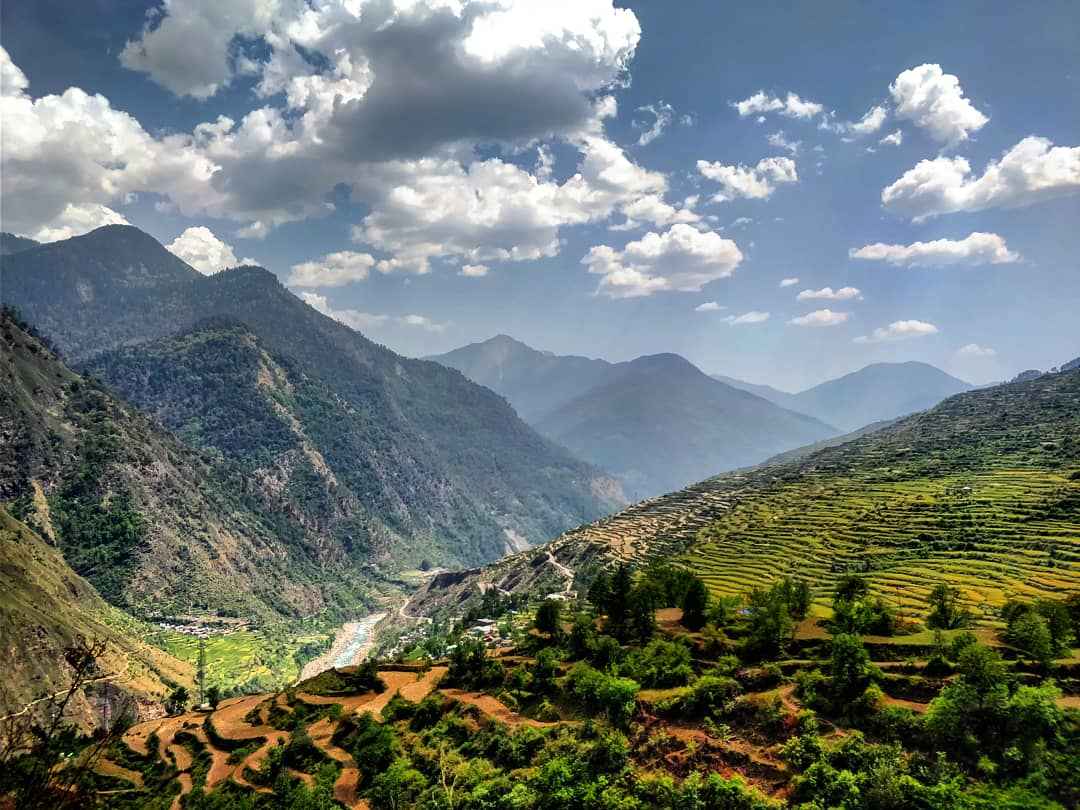
Dayara Bugyal is famous for its vast green grasslands, rolling hills, and panoramic Himalayan views. On a clear day, you can witness stunning peaks like Bandarpunch, Srikanth, and Draupadi Ka Danda. During summer, the meadows are covered with colourful wildflowers, while winter transforms the region into a snow paradise.
The forest section includes oak, maple, and rhododendron trees, making the trek visually rich throughout.
Best Time to Visit Dayara Bugyal via Barsu
| Season | Experience |
|---|---|
| April – June | Green meadows, pleasant weather |
| July – August | Monsoon (not recommended due to rain) |
| September – November | Clear skies, golden grass, best views |
| December – February | Snow trekking, winter camping |
Best months: May, June, September, and October
Accommodation Options
| Location | Stay Options |
|---|---|
| Barsu Village | Homestays, guesthouses |
| Barnala Tal | Camps (tents) |
| Dayara Bugyal | High-altitude camping |
Barsu homestays offer basic but clean rooms, local food, and warm hospitality. Camping during the trek is usually arranged by trekking operators.
Food & Water
-
Simple vegetarian meals are available in Barsu homestays
-
During the trek, food is cooked by the trekking staff
-
Carry a water bottle and purification tablets
-
Avoid plastic waste in the meadows
Permits, Guides & Safety
| Aspect | Details |
|---|---|
| Permits | Usually arranged by trekking operators |
| Guides | Strongly recommended for safety |
| Network | Limited or no mobile signal |
| Wildlife | Stay alert, follow local advice |
| Medical | Carry basic first-aid and medicines |
Hiring a local guide from Barsu is beneficial, especially in winter or off-season.

Who Should Do This Trek?
-
First-time trekkers
-
Families with older children
-
Nature photographers
-
Meadow and camping lovers
-
Travellers seeking peaceful Himalayan routes
This trek does not require technical skills, making it suitable for people with basic fitness.
Things to Carry (Essentials)
| Category | Items |
|---|---|
| Clothing | Warm layers, waterproof jacket |
| Footwear | Trekking shoes with a good grip |
| Gear | Backpack, trekking pole |
| Safety | First-aid kit, medicines |
| Accessories | Sunglasses, sunscreen, gloves |
| Documents | ID proof, emergency cash |
Dayara Bugyal via Barsu Village is a perfect blend of adventure, comfort, and natural beauty. The route is peaceful, beginner-friendly, and incredibly scenic, offering some of the finest meadow views in the Garhwal Himalayas. Whether you are trekking for the first time or simply looking for a short Himalayan escape, this trail promises unforgettable memories.
With friendly villages, gentle trails, open grasslands, and magical camping nights, the Barsu route to Dayara Bugyal stands out as one of Uttarakhand’s best trekking experiences.