
Barnala Tal Uttarakhand
Published on August 23, 2025
At around 2,508 metres, hidden inside the deep oak–pine forests above Barsu village, lies a quiet Himalayan lake that locals call “Devon ki Aaina Jheel” —
a lake so still, so untouched, and so sacred that even shepherds whisper while passing by.
Barnala Tal is not a tourist attraction.
It is a spiritual pause on the legendary Dayara Bugyal trail — a place where silence is loud, where folklore breathes, and where the mountains reflect themselves with absolute purity.
This is the full story of Barnala Tal — the “Sacred Mirror Lake” of Uttarkashi.
Exact Location & How to Reach (2025 Update)
District: Uttarkashi, Uttarakhand
Base Village: Barsu (7 km from Bhatwari)
Altitude: ~2,508 m
Trek Route (Classic 2025 Trail):
Barsu → Barnala Tal → Barnala Bugyal → Dayara Bugyal
Distance: Barsu to Barnala Tal = 3 km
Time: 1.5–2.5 hours (average pace)
Trail Type:
-
Well-marked forest path
-
Stone steps in the beginning
-
Rhododendron sections in the middle
-
Meadows opening near the lake
Best Season:
-
March–June: Fresh green forests
-
September–November: Crystal reflection views
-
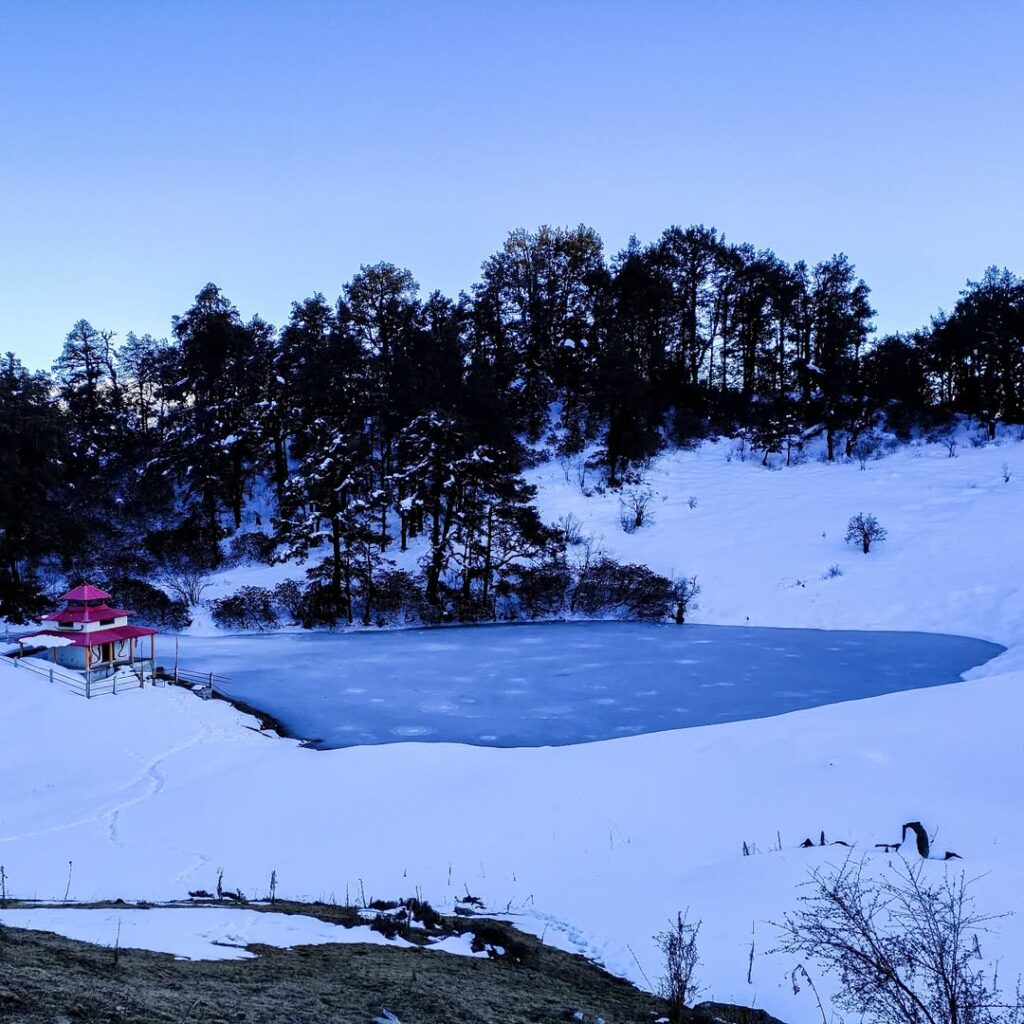
December–February: Partly frozen mystical lake
-
Avoid monsoon (July–Aug) – slippery trail & leeches
The Ancient Myths of Barnala Tal – Sacred Stories from the Himalayas
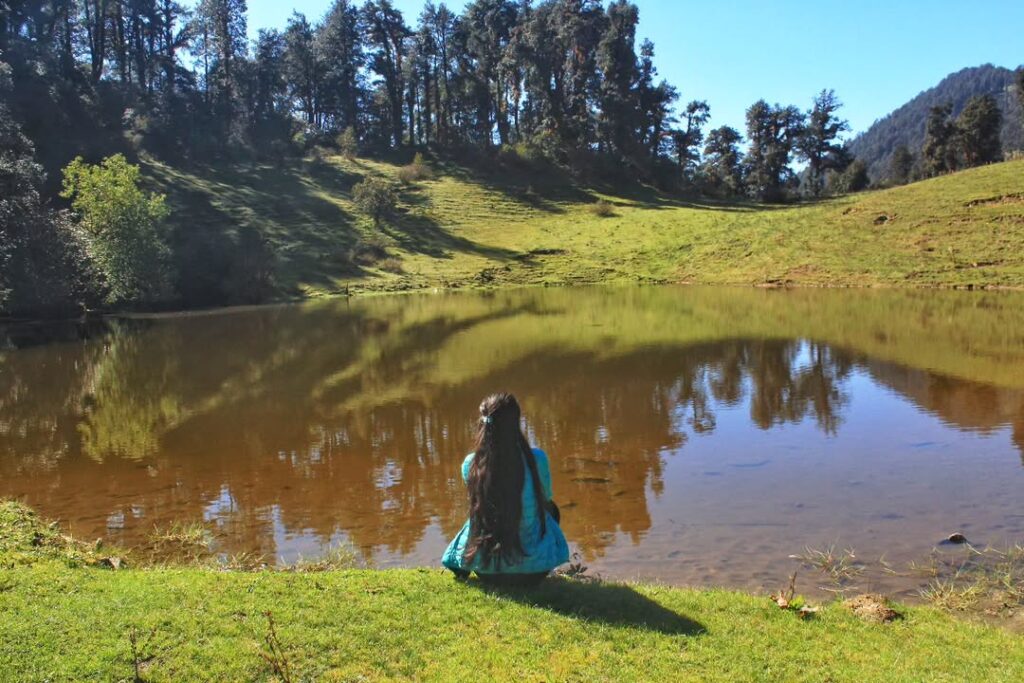
Barnala Tal is not just a peaceful alpine lake; it is a place where legends live, whispered through generations in the forests and meadows of Uttarkashi. Trekkers often pause here not only for its serene beauty but also to feel the sacred energy that locals believe has protected the lake and its surroundings for centuries. Two of the most enduring stories speak of divine guardianship and human devotion.
The Nagraj (Serpent God) Story
Hundreds of years ago, the villagers of Barsu faced a severe drought. Streams dried, crops failed, and the forests became silent and anxious. In desperation, the village priest meditated deeply, praying for guidance from the divine.
That night, Lord Shiva appeared in the priest’s dream and spoke:
“Seek blessings at the lake where the guardian serpent meditates. Water flows where devotion flows.”
Following his guidance, the villagers walked to Barnala Tal and offered prayers with full faith. Soon after, clouds gathered, rain fell, and the drought ended.
Since that day, Barnala Tal has been considered sacred, with villagers observing strict reverence:
-
Stones must never be taken from the lake, as it is believed to disturb its spiritual balance.
-
Throwing anything into the water is disrespectful to Nagraj, the guardian deity.
-
The lake is said to “choose” who may see it clearly—fog often lifts magically for those with pure hearts.
-
Elders claim the lake emits a soft humming at dawn, believed to be the breath of Nagraj itself.
The Shepherd Girl Legend (Barnala Devi)
Another touching tale speaks of a young shepherd girl who lived centuries ago. Brave and kind, she spent her days tending to her flock and often sat by the calm waters of Barnala Tal, surrounded by the fragrant alpine forest.
One winter evening, a sudden snowstorm swallowed the forest. Villagers searched endlessly but could not find her. The next morning, her footprints were seen leading straight into the lake, and the air was miraculously filled with the fragrance of wildflowers, even amidst the snow.
Locals believe she merged with the divine spirit of the mountains, becoming Barnala Devi, the protector of the lake.
It is said that:
“Only a calm heart sees Barnala Tal in its clearest reflection.”
Why These Legends Matter
These two stories together make Barnala Tal more than a scenic stop—it is a sacred pause in the Himalayas, where faith, nature, and legend converge. Trekkers visiting the lake often feel a quiet reverence, as if the lake itself is watching, waiting, and blessing those who approach with respect and humility.
What Makes Barnala Tal Special (2025 Highlights)
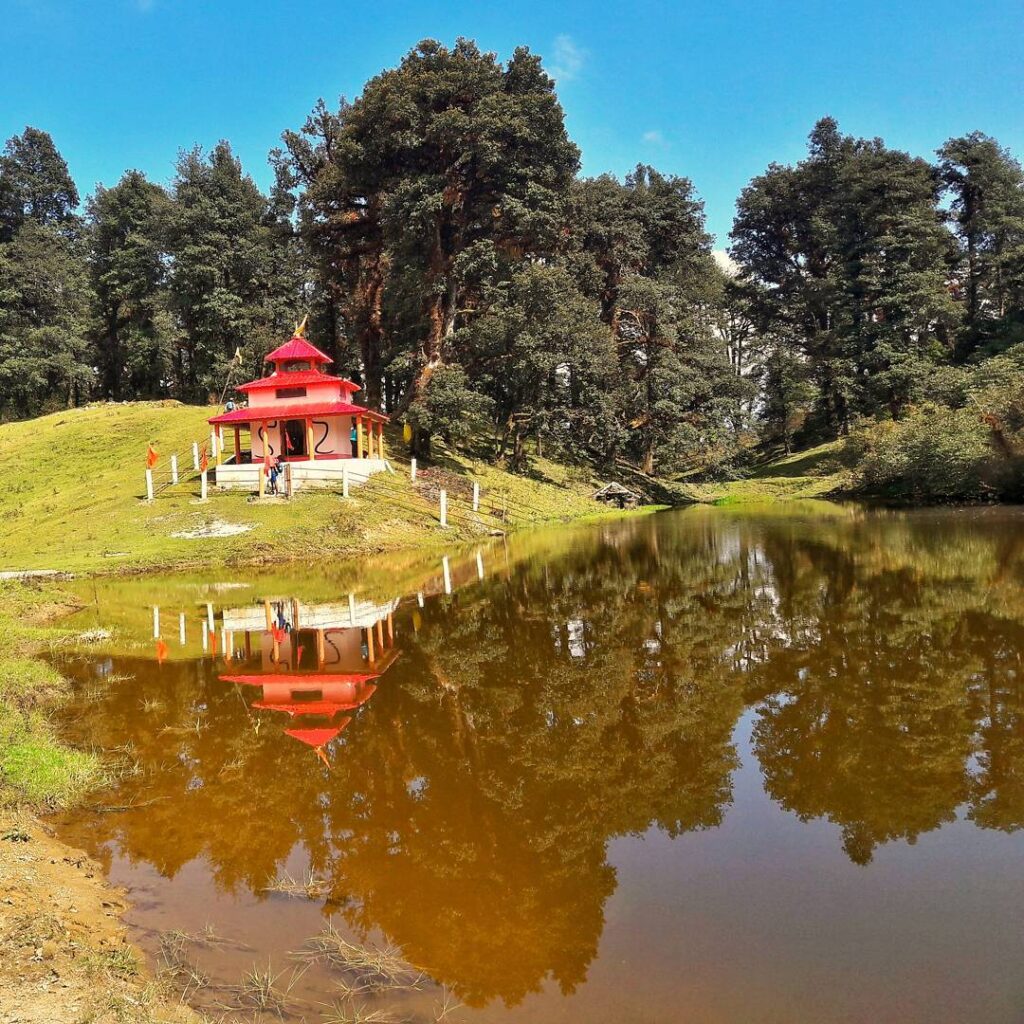
Even though Barnala Tal is relatively small, it is one of the most atmospheric and spiritual spots on the Dayara Bugyal trail. Trekkers often pause here, not just for rest, but to soak in the lake’s serene beauty and sacred aura.
✔ Mirror-like Reflection
On calm, clear mornings, the lake transforms into a perfect Himalayan mirror, reflecting:
-
Dense oak and rhododendron forests
-
The deep blue sky above
-
Snow-capped peaks of the Bandarpoonch range (visible in winter)
The still water creates a magical atmosphere, making it ideal for photography and quiet contemplation.
✔ Deep Forest Silence
Nestled in a natural bowl of oak, rhododendron, and pine, Barnala Tal offers an almost temple-like serenity. The surrounding forest muffles the sounds of the outside world, leaving only birdsong, wind, and the gentle ripple of water.
✔ Bird & Wildlife Spotting
Nature enthusiasts can often spot Himalayan fauna along the trail and near the lake:
-
Himalayan Monal – the colorful state bird
-
Kalij Pheasant – shimmering along the forest floor
-
Blue Magpie – darting between trees
-
Himalayan Griffon – soaring overhead
-
Musk deer – rarely seen but sometimes spotted at dawn
✔ Perfect Stop Before Dayara Bugyal
For trekkers heading to the expansive meadows of Dayara Bugyal, Barnala Tal is the ideal rest point. The lake provides both a mental and physical pause, allowing trekkers to recharge before the higher-altitude climb.
Trek Difficulty & Trail Details (2025)
Difficulty: Easy to Moderate – suitable for beginners, families, and first-time trekkers.
Trail Breakdown:
-
1 km → Steep stone steps from Barsu
-
1 km → Forest trail through oak and rhododendron
-
1 km → Gentle climb leading to the edge of the meadow
Practical Tips:
-
Water: No sources after Barsu, carry at least 1 litre
-
Shops: None on the trail
-
Guide: Not required for summer/fall, recommended in winter for snow-covered paths
Stay Options Near Barnala Tal (2025 Updates)
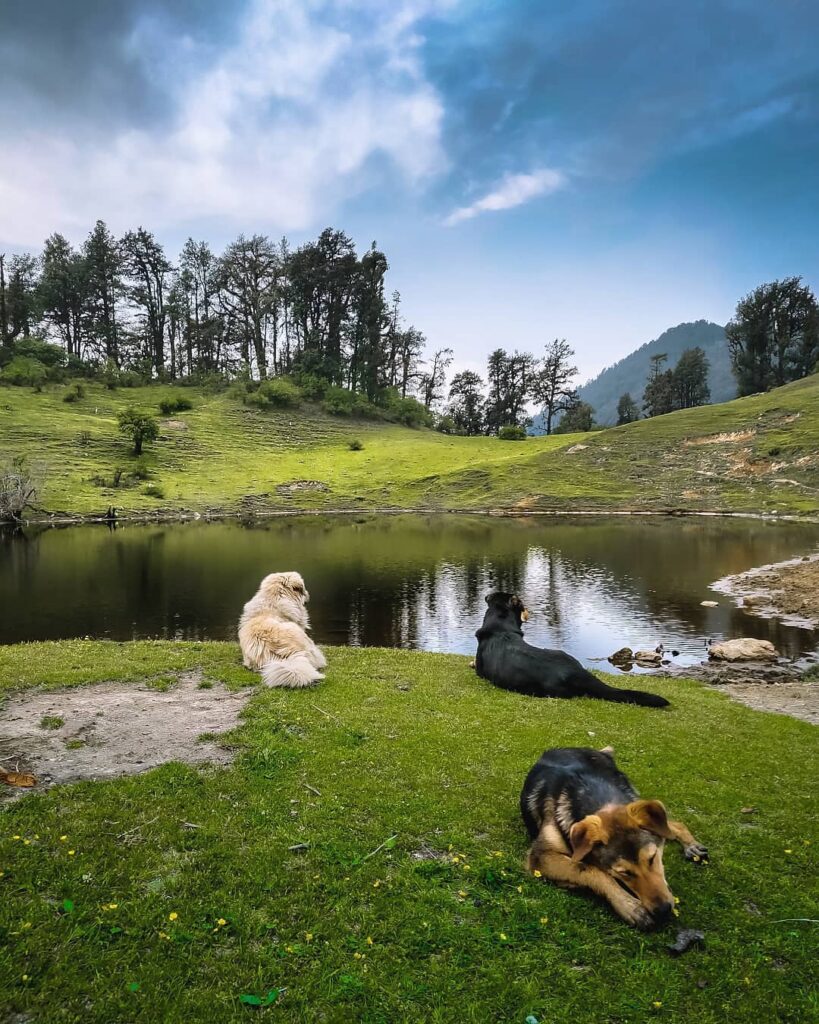
While Barnala Tal itself is a sacred spot and camping near the lake is strictly prohibited due to its environmental and cultural significance, trekkers have several comfortable options nearby to rest and prepare for their journey to Dayara Bugyal.
Stays in Barsu Village
Barsu, the base village for the trek, offers cozy and budget-friendly accommodations:
-
GMVN Barsu Lodge – Government-run facility with basic amenities and clean rooms
-
Local Homestays – ₹800–1500 per night, offering a warm Himalayan welcome and home-cooked meals
-
Budget Guesthouses – ₹600–1200 per night, simple and convenient for trekkers
Camping Options (Allowed)
While the lake itself is off-limits for camping, eco-conscious sites are available slightly above:
-
Barnala Bugyal – Open meadows just above the lake, perfect for overnight tents
-
Forest Camping Zones – Designated areas approved by local eco-committees, ensuring minimal environmental impact
These options allow trekkers to experience the Himalayan outdoors safely and respectfully, while keeping the sacred Barnala Tal untouched.
Local Rules & Strict Warnings (2025)
Barnala Tal is considered sacred and must be treated with utmost respect, just like other Himalayan pilgrimage spots. Trekkers should strictly follow these guidelines:
❌ Do NOT throw anything in the water – preserves sanctity and ecology
❌ Do NOT try to swim – cold water and sacred status make it unsafe
❌ Do NOT take stones from the lake – considered disrespectful to local legends
❌ Do NOT play loud music – maintains the natural serenity
❌ Camping at the lake is prohibited – only designated zones allowed
❌ Drone flying is banned – protects wildlife and sacred vibe
Local Saying:
“Lake punishes disturbance with fog.”
Many trekkers report sudden mist or fog covering the lake if someone disrespects it, a phenomenon locals say is the lake’s way of restoring balance.
Photography Tips
Barnala Tal is highly photogenic, but timing and location are key:
-
Best Time: 7 AM – 9 AM (morning light highlights reflections)
-
Best Season: October–November (autumn colors, crisp reflections)
-
Reflection Shots: Shoot from the opposite shore (south side) for perfect mirror effect
-
Winter Shots: Frozen edges of the lake combined with snow-covered forest create magical landscapes
Why Barnala Tal Feels Magical
Barnala Tal isn’t just a stop along the trail—it’s an experience that stays with you:
-
Sit quietly, feel the cold breeze through the trees, and watch the water ripple gently
-
Observe the reflection of surrounding peaks and forests
-
Sense the untouched, ancient aura of a Himalayan sacred lake
It is calm, ancient, untouched, and serves as a perfect pause before stepping into the vast meadows of Dayara Bugyal.
Barnala Tal – Frequently Asked Questions (FAQ)
Q1. How far is Barnala Tal from Barsu?
A: 3 km, approximately 1.5–2.5 hours trek.
Q2. Can beginners do the trek?
A: Yes, it’s one of the easiest Himalayan forest treks.
Q3. Is camping allowed at the lake?
A: No. Camping is only permitted near Barnala Bugyal or designated forest eco-zones.
Q4. Best season to visit?
A: March–June and September–November.
Q5. Does the lake freeze in winter?
A: Yes, partially freezes during December–February.
Q6. Are there food or water stalls on the trail?
A: No. Carry your own water and snacks.
Q7. Is drone photography allowed?
A: No, drones are banned to protect wildlife and maintain serenity.
Q8. How is the mobile network?
A: Jio works moderately in Barsu; network is weak or patchy near the lake.
Q9. Can I visit Barnala Tal & Dayara Bugyal in one day?
A: Yes, many trekkers complete both in a single day.
Q10. Why is Barnala Tal considered sacred?
A: Because of the Nagraj legend, the Shepherd Girl/Barnala Devi story, and its spiritual connection with Shiva folklore.