
Valley of Flowers Tourism
Published on November 09, 2025
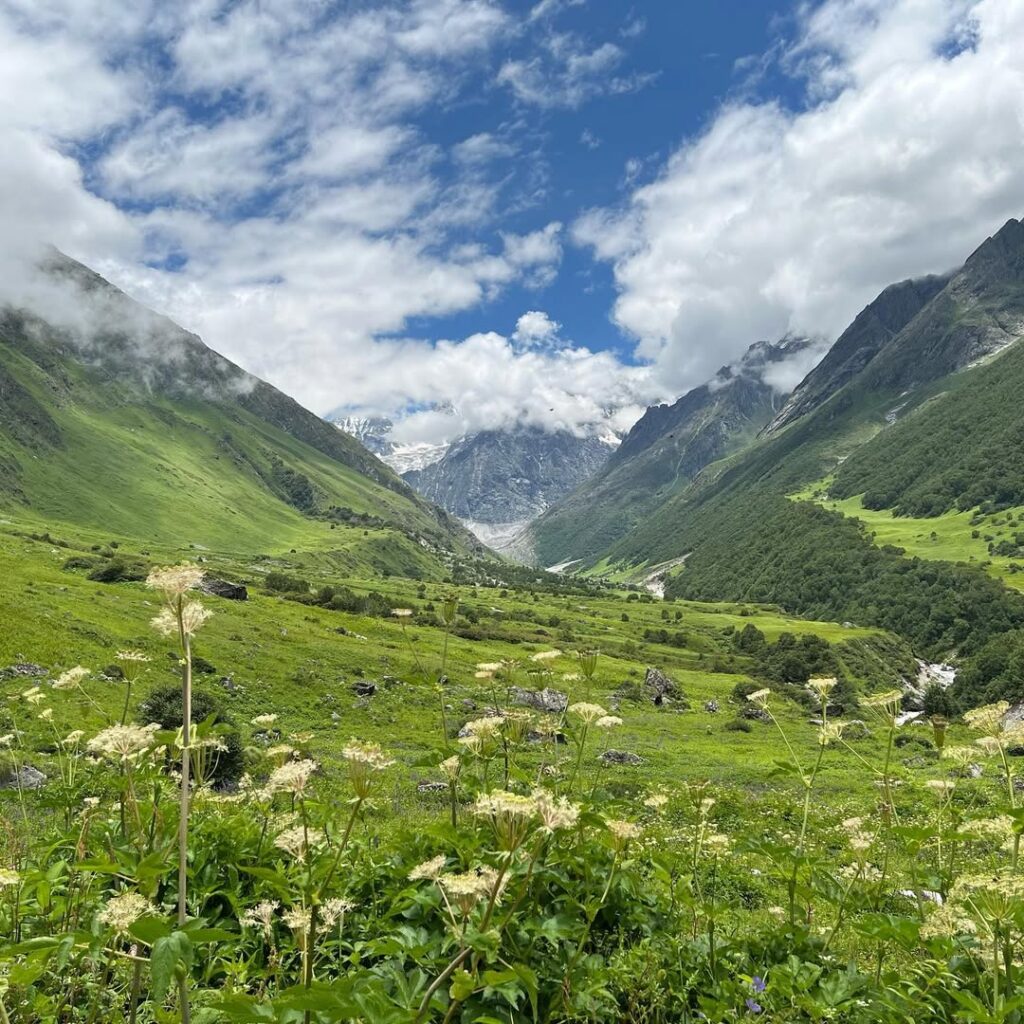
The Valley of Flowers in Uttarakhand is one of India’s most beautiful travel destinations, known for its breathtaking meadows filled with colorful Himalayan flowers. Every year, thousands of travelers plan their journey through different Valley of Flowers tour packages to witness this seasonal wonder. From solo trekkers to honeymoon couples, the valley attracts everyone with its peaceful charm, mountain views, and natural beauty.
Most visitors prefer a Valley of Flowers tour package from Delhi, Rishikesh, or Haridwar, which includes transportation, guided treks, accommodation, and meals. Travelers from western India can also book a Valley of Flowers tour package from Mumbai for a smooth experience. The journey starts from Govindghat, followed by a moderate trek through Ghangaria, leading to the lush valley blooming with hundreds of flower species.
For couples looking for a quiet and romantic escape, a Valley of Flowers Tour Package for couple offers a perfect mix of adventure and serenity. Nature enthusiasts often choose Valley of Flowers trek packages or guided tours that include expert support and necessary permits. Group travelers can join Valley of Flowers fixed departures, which are safe, budget-friendly, and well-organized.
The best time to visit is from July to September, when the valley turns into a colorful paradise after the snow melts. Surrounded by snow-capped peaks and gentle streams, this region truly represents the pure beauty of the Himalayas. Whether you come for trekking, photography, or peace of mind, Valley of Flowers tourism promises a refreshing experience that stays in your heart forever.
Introduction to Valley of Flowers National Park
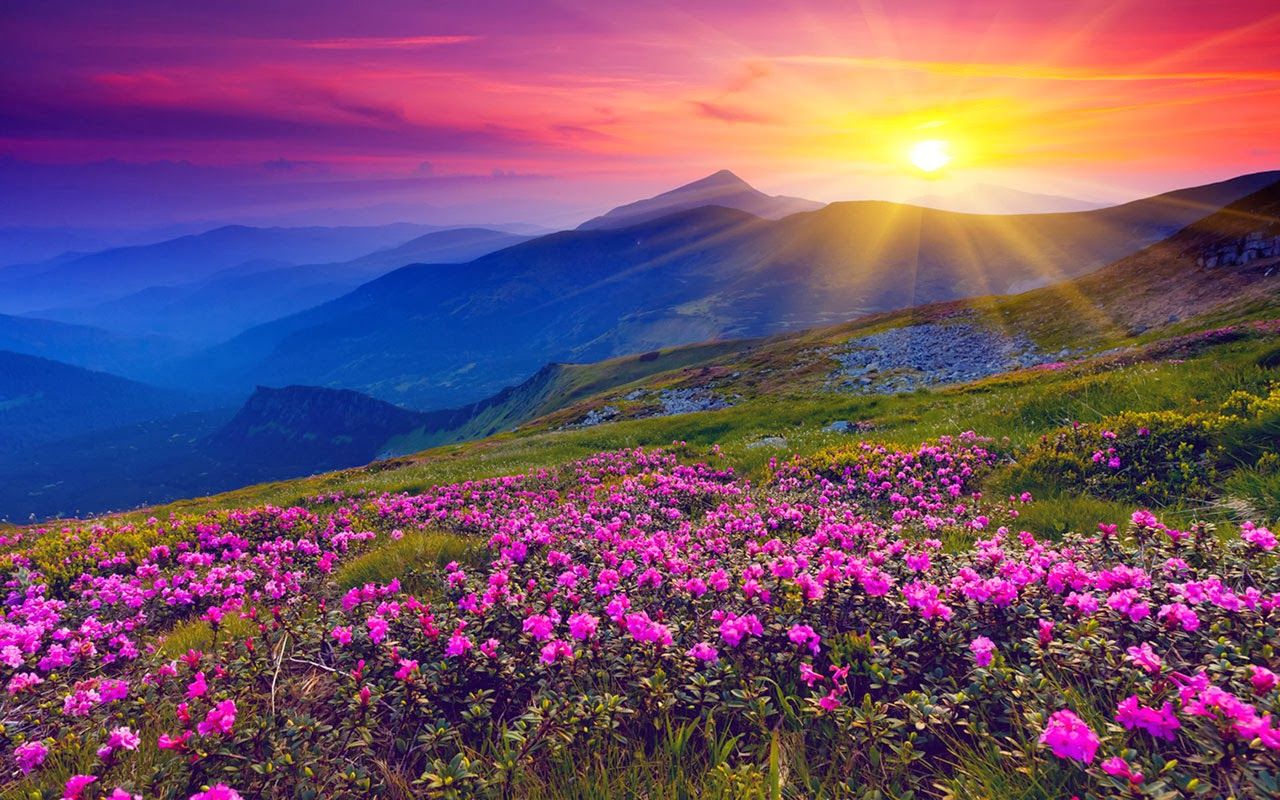
The Valley of Flowers National Park in Uttarakhand is known for its open grassy meadows, fresh mountain air, and colorful Himalayan flowers. During the monsoon months, the entire valley comes alive with hundreds of flower species, making it one of the most beautiful trekking spots in India.
People from all over the country plan their trips through different Valley of Flowers tour packages to enjoy this short but memorable season. The park is a UNESCO World Heritage Site and attracts trekkers, photographers, and nature lovers every year.
For many, it’s more than just a trek — it’s a break from the noise of the city. Most visitors choose a Valley of Flowers tour package from Delhi, Rishikesh, or Haridwar, which includes travel, accommodation, and guided treks. Some also prefer a Valley of Flowers tour package from Mumbai, with options for flights or trains to Dehradun.
There are also special Valley of Flowers Trek Packages and guided tours for beginners and couples who want a quiet nature holiday. For couples, a Valley of Flowers tour package for couple is ideal for spending peaceful time together amid clean air and natural scenery.
Where is the Valley of Flowers Located?
Location Overview
-
The Valley of Flowers is situated in the Chamoli district of Uttarakhand, India.
-
It lies in the Garhwal Himalayas, around 300 km from Rishikesh.
-
The valley is set at an altitude of nearly 12,000 feet above sea level.
-
Surrounded by snow-covered peaks and glaciers, it offers one of the most scenic trekking routes in the Himalayas.
Nearest Town and Trek Starting Point
-
The closest major town is Joshimath.
-
The trek to the Valley begins from Govindghat, located on the Badrinath highway.
-
From Govindghat:
-
It’s about 13 km to Ghangaria, the base village for the Valley of Flowers trek.
-
From Ghangaria, it’s an additional 4 km trek to reach the main valley area filled with vibrant flowers and clear streams.
-
How to Reach – Travel Options
-
From Rishikesh, Haridwar, or Delhi:
Most Valley of Flowers tour packages from these cities include road transport up to Govindghat, along with guides and accommodation. -
From Mumbai and Western India:
Travelers can opt for a Valley of Flowers tour package from Mumbai, which includes:-
Flight or train to Dehradun or Haridwar
-
A scenic mountain drive to Govindghat
-
Trekking arrangements and stays at Ghangaria
-
Quick Travel Facts
| Detail | Information |
|---|---|
| State | Uttarakhand |
| District | Chamoli |
| Nearest Town | Joshimath |
| Base Camp | Ghangaria |
| Starting Point | Govindghat |
| Best Time to Visit | July to September |
History and Significance of the Valley
Discovery and Early Exploration
-
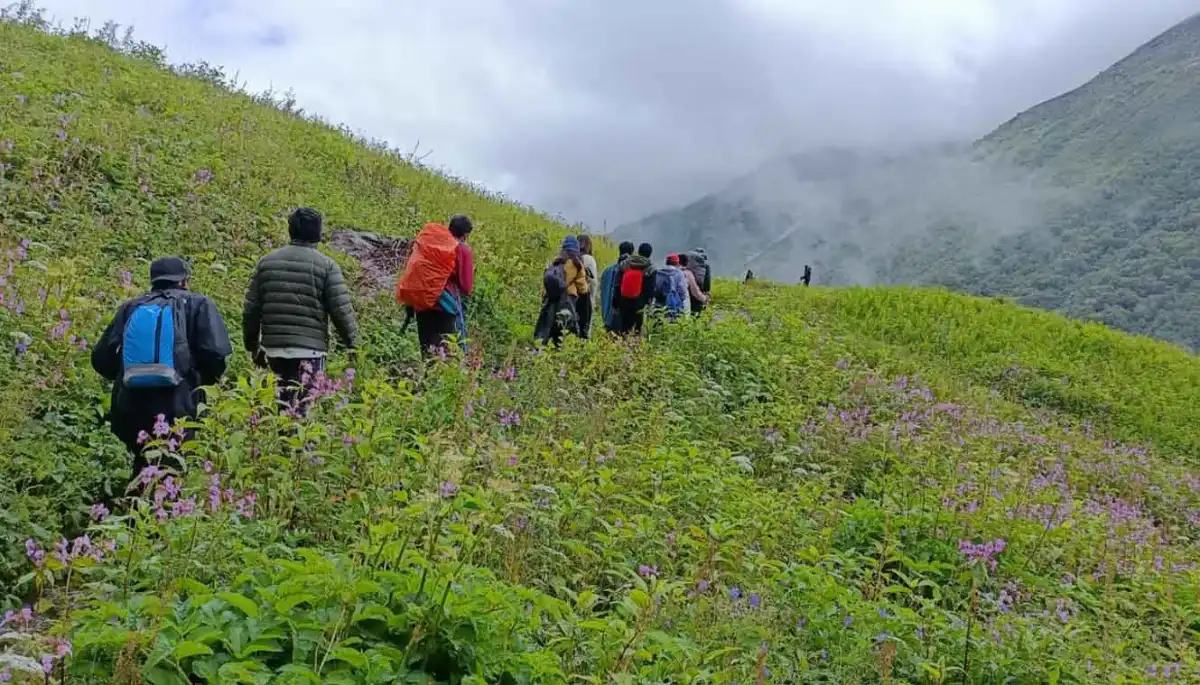
The Valley of Flowers was first discovered in 1931 by British mountaineer Frank Smythe and his team.
-
While returning from a Mount Kamet expedition, they accidentally reached this valley and were amazed by its colorful meadows.
-
Later, Frank Smythe wrote a book titled “The Valley of Flowers,” which made this hidden Himalayan valley known to the world.
Cultural and Natural Importance
-
The valley holds spiritual value for locals who believe it is home to fairies and divine energy.
-
It is part of the Nanda Devi Biosphere Reserve, which also includes Hemkund Sahib, a sacred Sikh pilgrimage site located nearby.
-
The area is known for its rich biodiversity, including rare Himalayan plants and animals.
-
Due to its unique ecosystem, it was declared a UNESCO World Heritage Site in 2005.
Modern Tourism
-
Today, it’s one of India’s most popular trekking destinations.
-
Many travelers visit through organized Valley of Flowers guided tours and trek packages.
-
The trek combines natural beauty, peaceful surroundings, and local culture, making it a favorite for both adventure lovers and casual travelers.
Best Time to Visit Valley of Flowers
Ideal Months
-
The Valley of Flowers opens for visitors every year from June to early October.
-
The best time to visit is between mid-July and September, when the flowers bloom fully after the monsoon rain.
Monthly Breakdown
| Month | What to Expect |
|---|---|
| June | Fresh greenery, snow melting, few flowers starting to bloom |
| July | Valley turns colorful with maximum flower variety |
| August | Full bloom continues; frequent light rain and misty mornings |
| September | Fewer flowers but clear skies and peaceful surroundings |
Travel Tip
-
Most Valley of Flowers fixed departures are scheduled between July and August, the best time for group treks.
-
For comfortable travel, book a Valley of Flowers tour package from Delhi, Rishikesh, or Haridwar well in advance.
-
Travelers from western India can choose a Valley of Flowers tour package from Mumbai, which includes flights or trains to Dehradun and onward travel to Govindghat.
Why Timing Matters
-
Visiting during the right season ensures the best views of the flowers and safe trekking conditions.
-
Late monsoon months are perfect for photography, peaceful walks, and enjoying the valley’s calm atmosphere.
Trekking Route and Entry Details
Starting Point
-
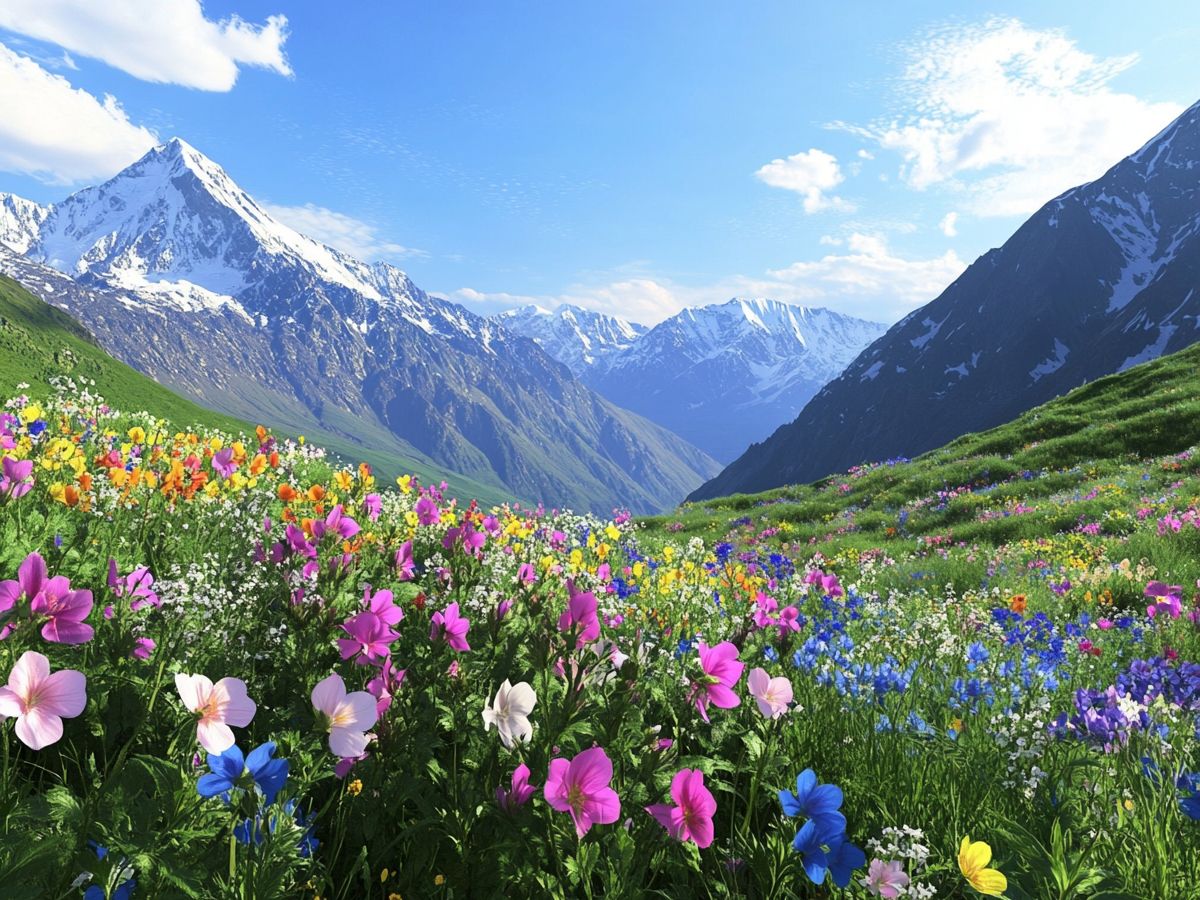
The trek to the Valley of Flowers begins from Govindghat, located on the Rishikesh–Badrinath highway.
-
From here, the path leads to Ghangaria, which serves as the base camp for both the Valley of Flowers and Hemkund Sahib treks.
Route Overview
| Route Section | Distance | Details |
|---|---|---|
| Govindghat → Pulna (by vehicle) | 4 km | Shared jeeps available |
| Pulna → Ghangaria (on foot) | 9 km | Moderate trek along the Pushpawati River |
| Ghangaria → Valley of Flowers | 4 km | Gentle uphill walk into the main valley |
Entry Information
-
Entry to the Valley of Flowers National Park is regulated by the Forest Department.
-
Entry Fee: Around ₹150 for Indians and ₹600 for foreign nationals (valid for 3 days).
-
Timings: Open daily from 7:00 a.m. to 2:00 p.m.; visitors must return to Ghangaria by evening.
Difficulty Level
-
The trek is moderate, suitable for beginners with average fitness.
-
Porters and ponies are available from Govindghat to Ghangaria.

Flora and Fauna: Nature’s Colorful Canvas
Blooming Beauty
-
The Valley of Flowers lives up to its name — over 500 species of alpine flowers bloom during the monsoon.
-
Popular species include:
-
Blue Poppy (State flower of Uttarakhand)
-
Brahma Kamal
-
Cobra Lily
-
Primulas, Daisies, and Anemones
-
Wildlife and Birds
-
The region is also home to rare Himalayan animals and birds such as:
-
Asiatic black bear
-
Musk deer
-
Snow leopard (rarely spotted)
-
Himalayan monal (state bird of Uttarakhand)
-
Tahr and blue sheep
-
Ecological Importance
-
The valley forms part of the Nanda Devi Biosphere Reserve and is recognized by UNESCO for its unique alpine ecosystem.
-
Strict conservation rules ensure that no camping, littering, or plucking of flowers is allowed inside the park.
Nearby Attractions: Hemkund Sahib & Ghangaria
Hemkund Sahib
-
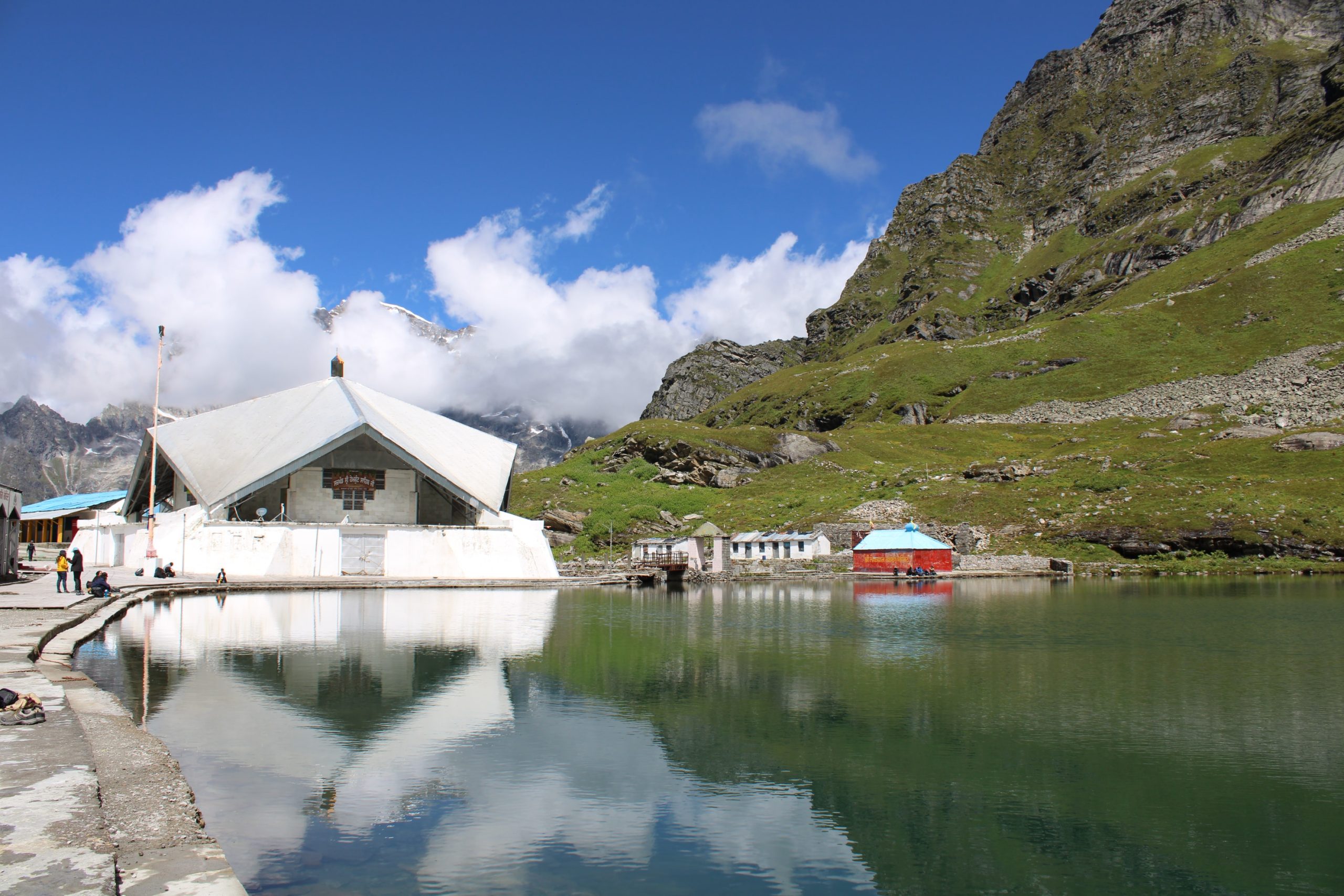
Just 6 km from Ghangaria, Hemkund Sahib is a high-altitude Sikh shrine dedicated to Guru Gobind Singh Ji.
-
The crystal-clear Hemkund Lake, surrounded by snow-covered peaks, adds spiritual serenity to the place.
-
The trek is steep but rewarding, offering breathtaking mountain views.
Ghangaria Village
-
Ghangaria is the base point for both Valley of Flowers and Hemkund Sahib treks.
-
The village offers small hotels, guesthouses, and eateries for trekkers.
-
Helicopter service between Govindghat and Ghangaria is available during peak season, ideal for senior travelers.
Other Places to Explore
-
Badrinath Temple (40 km from Govindghat) – one of the Char Dham pilgrimage sites.
-
Auli – a famous hill station known for skiing and Himalayan views.
-
Joshimath – base for many treks and cable car rides to Auli.
Accommodation Options in and around Valley of Flowers
Stay at Ghangaria
Most trekkers stay overnight at Ghangaria, as staying inside the Valley is not allowed.
Popular accommodation types include:
-
Budget lodges and guesthouses
-
Mid-range hotels
-
GMVN (Garhwal Mandal Vikas Nigam) guesthouses for reliable service
Stay Options at Nearby Towns
-
Joshimath: Ideal for travelers looking for more comfort before or after the trek.
-
Govindghat: Offers small hotels and dharamshalas for short stays.
-
Auli: Great option for a relaxed stay with scenic mountain views post-trek.
Tips for Booking
-
During the main trekking season (July–September), accommodation fills quickly.
-
Booking through a Valley of Flowers Tour Package from Delhi, Rishikesh, or Haridwar ensures confirmed stays and transport.
Travel Tips for a Safe and Memorable Journey
Before You Go
-
Carry valid ID proofs and keep copies handy.
-
Check the weather forecast — monsoon rains are common.
-
Avoid carrying plastic bags; the park promotes eco-friendly travel.
During the Trek
-
Wear comfortable trekking shoes with good grip.
-
Keep rain gear and light woolens even in summer.
-
Stay hydrated and take short breaks on uphill climbs.
-
Always follow the designated trails to protect local flora.
General Safety
-
Start your trek early to return before sunset.
-
Avoid trekking during heavy rainfall or fog.
-
Respect the environment and local customs — the valley is sacred to locals.
Pro Travel Tip
-
Book Valley of Flowers guided tours or trek packages for the best experience — they include permits, transport, stay, and professional guides.
-
Many operators offer Valley of Flowers fixed departures during July and August, making it easy for solo travelers or small groups to join safely.
Frequently Asked Questions (FAQs) – Valley of Flowers Tourism
Where is the Valley of Flowers located?
The Valley of Flowers is in the Chamoli district of Uttarakhand, about 300 km from Rishikesh in the Garhwal Himalayas.
What is the best time to visit the Valley of Flowers?
The best time to visit is from mid-July to early September, when the flowers are in full bloom after the monsoon rains.
How can I reach the Valley of Flowers from Delhi?
You can book a Valley of Flowers tour package from Delhi, which includes travel to Haridwar or Rishikesh, then a road trip to Govindghat, followed by the trek to Ghangaria and the valley.
Is the Valley of Flowers open throughout the year?
No, the park remains open only from June to October due to heavy snowfall in winter.
How difficult is the Valley of Flowers trek?
The trek is moderate and suitable for beginners with average fitness. The trail is well-marked and scenic, with gradual climbs.
How long is the Valley of Flowers trek?
The total trekking distance is about 17 km (Govindghat to Ghangaria to Valley), usually completed over 2–3 days.
What is the altitude of the Valley of Flowers?
The valley lies at an elevation of around 12,000 feet (3,658 meters) above sea level.
What kind of flowers can be seen there?
You can spot over 500 species of Himalayan flowers like Blue Poppy, Brahma Kamal, Anemone, Primula, and Daisies.
Do I need a permit to enter the Valley of Flowers?
Yes, trekkers must buy an entry ticket at Ghangaria. The fee is around ₹150 for Indians and ₹600 for foreigners, valid for three days.
Are camping and night stays allowed inside the Valley?
No, camping and overnight stays are not permitted inside the national park. Trekkers stay at Ghangaria village, about 4 km away.
What should I carry for the Valley of Flowers trek?
Carry comfortable shoes, rain gear, warm clothes, sunscreen, first-aid, and light snacks. A reusable water bottle is essential.
Can senior citizens or kids do the trek?
Yes, with good preparation. The trek is manageable for seniors and kids above 8 years if they are healthy and travel with guides or porters.
Is Hemkund Sahib near the Valley of Flowers?
Yes, Hemkund Sahib is located just 6 km uphill from Ghangaria, and both treks can be done in the same trip.
Are guides available for the trek?
Yes, Valley of Flowers guided tours are available from Rishikesh, Haridwar, and Joshimath, which include permits, meals, and stays.
What type of accommodation is available at Ghangaria?
You’ll find budget lodges, hotels, GMVN guesthouses, and small dhabas at Ghangaria — simple but comfortable options for trekkers.
Are there helicopter services for Valley of Flowers?
Yes, during the peak season, helicopter services operate between Govindghat and Ghangaria, reducing the trekking distance.
What wildlife can be seen in the Valley?
The park is home to Himalayan black bears, musk deer, blue sheep, snow leopards, and Himalayan monals (the state bird of Uttarakhand).
How can travelers from Mumbai visit the Valley of Flowers?
You can choose a Valley of Flowers tour package from Mumbai, which includes flight or train to Dehradun or Haridwar, then road travel to Govindghat.
Can I visit the Valley without a tour package?
Yes, but joining a Valley of Flowers trek package or fixed departure group is recommended for convenience, permits, and local support.
Why is the Valley of Flowers famous?
It’s famous for its vibrant alpine meadows, rare Himalayan flora, and UNESCO World Heritage status, making it one of India’s most scenic trekking destinations.


