
Experience Kerala’s Rich Culture and Traditions
Published on February 10, 2025
A Journey Through Kerala's History: Unveiling the Roots of Culture
Kerala Tour Package: Kerala, often dubbed "God's Own Country," boasts a culture as rich and diverse as its verdant landscapes. To truly appreciate this vibrant tapestry, one must embark on a journey through Kerala's captivating history, which has profoundly shaped its traditions, art forms, and way of life. Understanding this historical context is crucial for any traveller seeking an authentic Kerala tour experience.
Kerala's story is woven with threads of ancient maritime trade, colonial influences, and the resilience of its people. Its strategic location on the Malabar Coast made it a crucial hub on the spice route, attracting traders from across the globe. Arabs, Phoenicians, Chinese, and later, the Portuguese, Dutch, and British, all left their imprints on the region, contributing to its cosmopolitan character.
The spice trade, particularly in pepper, cardamom, and cinnamon, brought prosperity to Kerala and fostered cultural exchange. Arab traders were among the first to establish trade relations with the region, introducing Islam and influencing Kerala's architecture and cuisine. The Portuguese, arriving in the 16th century, established a foothold in Kochi, leaving behind a legacy of European architecture and Christian influence. The Dutch subsequently wrested control from the Portuguese, further shaping the region's cultural landscape. Finally, the British East India Company gained dominance, incorporating Kerala into its vast empire.
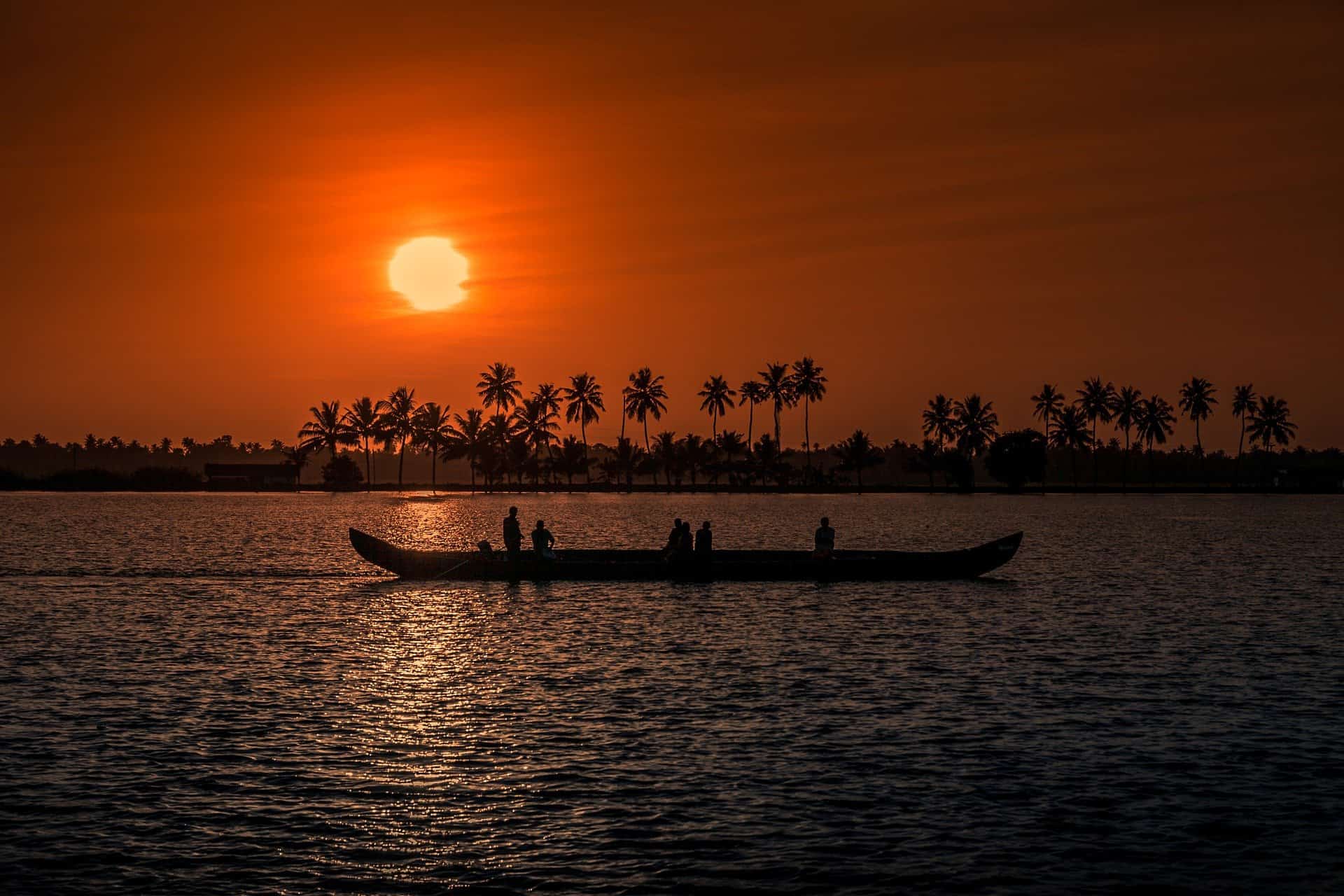
These colonial encounters, while often exploitative, also led to a fascinating fusion of cultures. European architectural styles blended with traditional Kerala designs, creating unique structures like the Mattancherry Palace and the Santa Cruz Basilica in Kochi. European art forms influenced local artists, while Kerala's spices and textiles made their way to Europe, enriching global cuisines and fashion.
However, Kerala's culture is not merely a product of external influences. It has deep roots in its own ancient traditions and indigenous practices. The Chera dynasty, which ruled over much of Kerala in ancient times, laid the foundation for a distinct regional identity. The influence of Dravidian culture is evident in Kerala's language, literature, and art forms. Kerala tourism often showcases these historical connections.
The traditional art forms of Kerala, such as Kathakali and Theyyam, are testaments to the region's rich cultural heritage. These elaborate dance forms, with their vibrant costumes, intricate makeup, and captivating storytelling, have been passed down through generations. Theyyam, in particular, reflects the deep connection between the people of North Kerala and their local deities, showcasing a unique blend of ritualistic dance and spiritual beliefs.
Kerala's history is not just a story of kings and conquests; it's also a story of the common people. The social structure of Kerala, with its complex caste system, has undergone significant changes over time. Reform movements in the early 20th century played a crucial role in challenging social inequalities and promoting education and empowerment.
Understanding Kerala's history is essential for appreciating its present-day culture. The influences of trade, colonialism, and indigenous traditions have all contributed to creating a unique and dynamic society. From its cuisine to its art forms, its festivals to its social customs, Kerala's culture is a reflection of its fascinating past. So, as you plan your Kerala Tour Package, take the time to delve into its history and discover the roots of its rich cultural heritage. It will undoubtedly add depth and meaning to your travel experience.
Kathakali: The Majestic Dance Drama of Kerala
Kathakali, the classical dance drama of Kerala, is a mesmerizing spectacle that captivates audiences with its vibrant costumes, elaborate makeup, and expressive storytelling. A highlight of any Kerala tour package from Delhi, experiencing a Kathakali performance is like stepping into a world of myths, legends, and divine narratives. This ancient art form, deeply rooted in Kerala's cultural heritage, is a feast for the senses and a window into the rich traditions of the region.
More than just a dance, Kathakali is a total theatre form, blending dance, music, drama, and ritual. The performers, all male, undergo rigorous training to master the intricate movements, facial expressions, and hand gestures (mudras) that bring the stories to life. The characters they portray range from gods and demons to heroes and heroines, each with their distinct makeup and costume.
The makeup in Kathakali is a work of art in itself. Each character is instantly recognisable by their elaborate face paint, which uses natural pigments and takes hours to apply. The colours and patterns symbolise the character's personality and role in the story. Green signifies noble and virtuous characters, while red denotes evil or demonic figures. The costumes are equally magnificent, consisting of layered skirts, ornate headgear, and various accessories that enhance the visual impact of the performance.
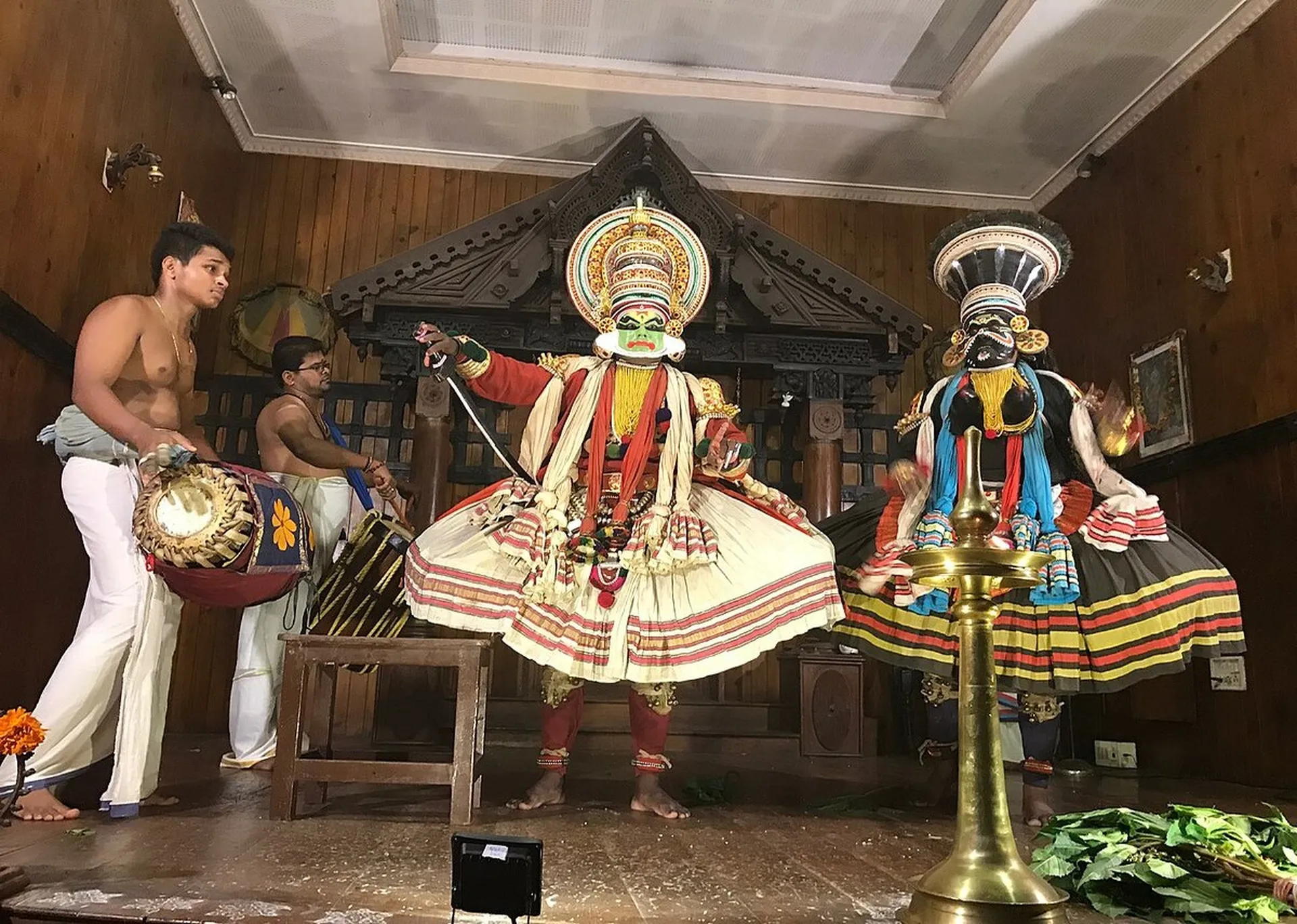
The stories enacted in Kathakali are typically drawn from Hindu epics like the Ramayana and the Mahabharata, as well as from Puranas and other mythological tales. The performance unfolds through a series of dramatic scenes, with the actors using their expressive movements and gestures to convey the narrative. The language used in Kathakali songs is a mix of Sanskrit and Malayalam, known as Manipravalam.
Music plays an integral role in Kathakali, setting the mood and enhancing the dramatic impact of the performance. The orchestra typically includes drums (chenda), cymbals (ilathalam), and a gong (chengila), creating a powerful and rhythmic soundscape. The vocalists sing the verses, while the actors interpret the lyrics through their dance and gestures.
Kathakali performances are traditionally held at night, often in temple courtyards or dedicated theatre spaces. The flickering oil lamps create an atmospheric ambience, adding to the mystique of the performance. Before the actual play begins, there is usually a "kelikod," a drumming session that announces the start of the show and attracts the audience.
A Kathakali performance is not merely entertainment; it's a deeply spiritual experience. The stories enacted often carry moral lessons and philosophical insights, reflecting the values and beliefs of the Kerala culture. The dedication and artistry of the performers, the visual splendour of the costumes and makeup, and the captivating storytelling combine to create a truly unforgettable experience. Including a Kathakali performance in your Kerala tour package from Delhi offers a unique opportunity to witness this majestic dance drama and delve into the rich cultural heritage of Kerala. It's a must-see for anyone interested in art, culture, and the traditions of this fascinating region.
Theyyam: A Divine Dance Ritual of North Kerala
Theyyam, a vibrant and captivating dance ritual from North Kerala, is a spectacle that transcends mere performance. It's a sacred tradition, a channel for divine communication, and a vibrant expression of the region's deep-rooted cultural beliefs. Unlike other classical art forms, Theyyam is not confined to stage performances; it's an integral part of village life, performed in sacred groves, temples, and even household shrines. Witnessing a Theyyam performance is like stepping into a world where myth and reality intertwine.
Theyyam is more than just a dance; it's a complex ritual that involves elaborate costumes, intricate makeup, and dynamic movements. The performers, often members of specific communities, are believed to be possessed by the deities they represent. During the performance, they transform into these divine beings, embodying their power and grace. The costumes are a visual feast, with vibrant colours, intricate designs, and towering headgear that add to the grandeur of the spectacle. The makeup is equally elaborate, with each deity having its distinct style and patterns.
The music of Theyyam is as powerful and evocative as the dance itself. Drums, cymbals, and other traditional instruments create a rhythmic and pulsating soundscape that accompanies the performance. The songs, sung in a mix of Malayalam and local dialects, narrate the stories and legends associated with the deities. The combination of music, dance, and costume creates a truly immersive and mesmerizing experience.
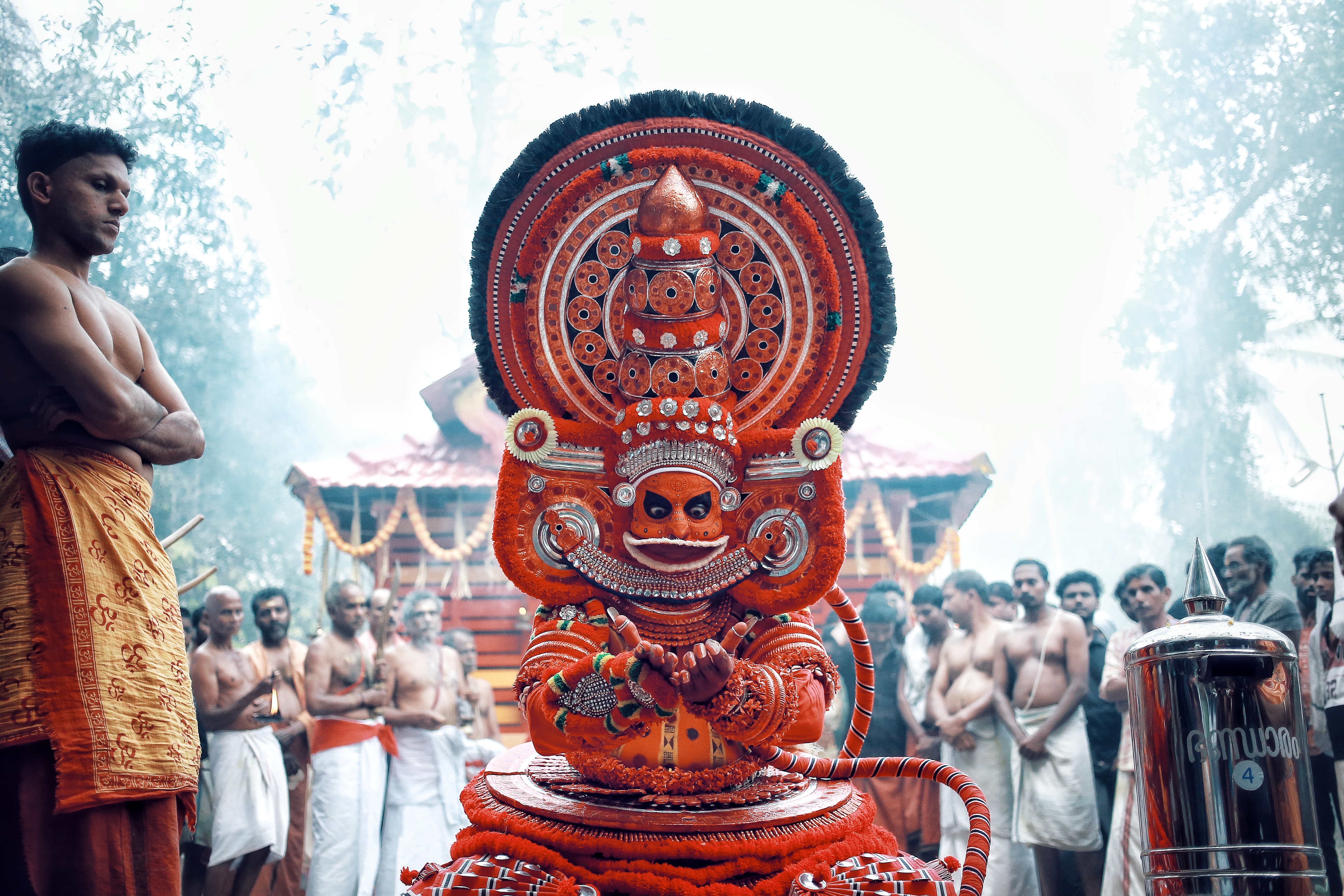
Theyyam performances are usually held at night, often in the open air, under the light of torches or oil lamps. The atmosphere is electric, with devotees and spectators gathered around the performers. The performances can last for several hours, with the dancers moving in a trance-like state, embodying the divine energy of the deities. Theyyam is not just a visual spectacle; it's a deeply spiritual experience for both the performers and the audience.
There are hundreds of different Theyyam forms, each representing a specific deity or spirit. Some of the most popular Theyyams include Theyyam of Gulikan, Muthappan, and Bhadrakali. Each Theyyam has its own unique story, costume, and performance style. Theyyam is not just a form of entertainment; it's a living tradition that connects the people of North Kerala with their ancestral beliefs and spiritual heritage. It's a reminder of the deep connection between humans and the divine, a celebration of life, and a testament to the rich cultural heritage of Kerala.
Kerala's Culinary Heritage: A Symphony of Flavors
Kerala, fondly known as "God's Own Country," is not just a visual delight but also a culinary paradise. Its cuisine, a vibrant tapestry of flavours, textures, and aromas, is an integral part of its rich cultural heritage. A trip to Kerala is incomplete without indulging in its diverse and delectable culinary offerings. From the coastal delicacies to the traditional vegetarian fare, Kerala's food is a reflection of its history, geography, and cultural influences.
Kerala's cuisine is characterized by the generous use of coconut, spices, and fresh ingredients. Coconut, in various forms – grated, milk, oil – is a staple ingredient, adding a distinct flavour and richness to many dishes. Spices, grown abundantly in Kerala's fertile lands, play a crucial role in creating the complex and aromatic flavours that define Kerala cuisine. Ginger, garlic, chilli, turmeric, and curry leaves are some of the commonly used spices. Fresh seafood, sourced from the Arabian Sea and the backwaters, is another highlight of Kerala's culinary scene.
One of the most iconic Kerala dishes is "sadhya," a traditional vegetarian feast served on a banana leaf. It's a culinary extravaganza, featuring a wide array of dishes, from rice and curries to lentil preparations and desserts. "Avial," a mixed vegetable curry in coconut and yoghurt gravy, and "thoran," a dry vegetable stir-fry, are popular components of Madhya. "Payasam," a sweet milk pudding, is a must-try dessert.

Kerala's coastal location means that seafood plays a prominent role in its cuisine. "Meen curry," fish curry cooked in coconut milk and spices, is a local favourite. "Karimeen pollichathu," pearl spot fish marinated in spices and cooked in banana leaves, is another delicacy. Prawns, crabs, and other seafood are also prepared in various delicious ways.
Beyond the popular dishes, Kerala's cuisine offers a wide range of culinary experiences. "Appam," a soft and fluffy pancake made from fermented rice batter, is a popular breakfast item. "Puttu," steamed rice cakes served with coconut gratings and chickpea curry, is another traditional breakfast dish. "Thalassery biryani," a flavorful rice dish influenced by Mughal cuisine, is a speciality of North Kerala.
No culinary journey in Kerala is complete without trying its various snacks and sweets. "Banana chips," crispy fried plantain slices, are a popular snack. "Unnai kadala," sweet dumplings made from rice flour and jaggery, are a must-try dessert. "Payasam," in its various forms, is a common dessert.
Kerala's cuisine is not just about the food; it's also about the dining experience. Food is often served on banana leaves, a traditional practice that adds to the authenticity of the meal. Eating with your hands is also common, allowing you to fully appreciate the textures and flavours of the food.
Kerala's culinary heritage is a symphony of flavours, a reflection of its rich cultural tapestry. It's an experience that tantalizes the taste buds and leaves you wanting more. So, when you visit Kerala, be sure to embark on a culinary adventure and savour the diverse and delicious offerings of this "God's Own Country.
Ayurveda: The Ancient Science of Healing and Wellness
Ayurveda, the "Science of Life," is an ancient Indian system of medicine that has been practised for over 5,000 years. More than just a system of treating illnesses, Ayurveda is a holistic approach to health and wellness, emphasizing prevention and promoting a balanced lifestyle. It views the individual as a unique combination of physical, mental, and spiritual energies, and seeks to restore harmony among these energies to achieve optimal health.
Central to Ayurveda are the concepts of the five elements (earth, water, fire, air, and space) and the three doshas (Vata, Pitta, and Kapha). The doshas are bio-energies that govern the body's functions. Vata is associated with movement, Pitta with metabolism, and Kapha with structure. When these doshas are in balance, an individual enjoys good health. Imbalances, caused by factors like diet, lifestyle, or stress, can lead to various health issues.
Ayurvedic treatments are highly personalized, taking into account an individual's unique constitution (Prakriti) and any imbalances (Vikriti). Diagnosis involves understanding a person's dosha profile, pulse diagnosis, and detailed questioning about their lifestyle and medical history.
Treatment approaches include dietary modifications, herbal remedies, lifestyle changes, yoga, meditation, and detoxification therapies (Panchakarma).
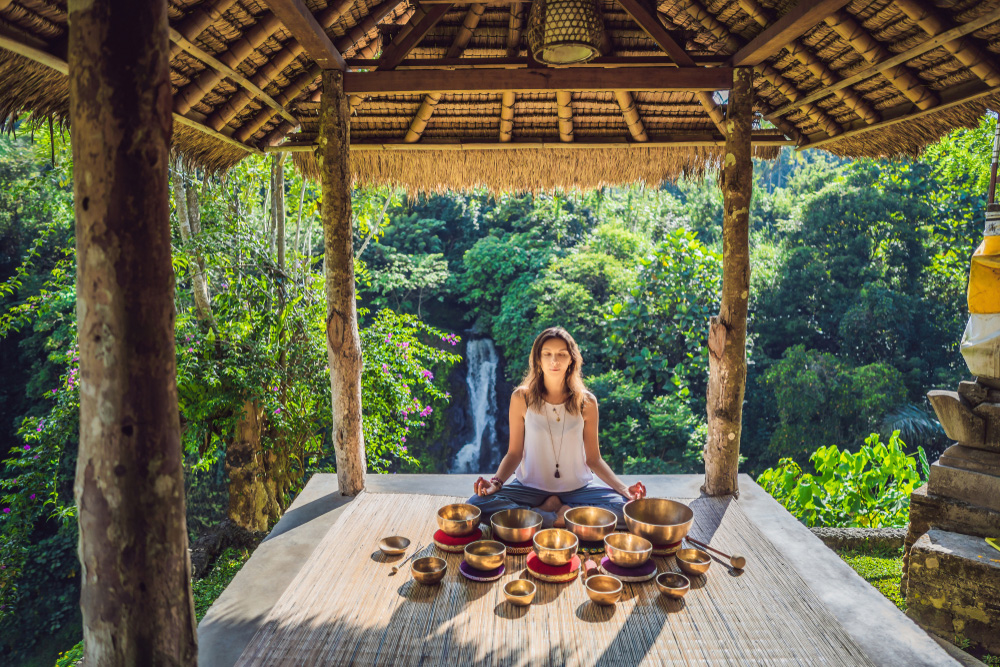
Ayurveda emphasizes the importance of a balanced diet tailored to an individual's dosha. It recommends specific foods and spices that can pacify or aggravate the doshas. Lifestyle modifications, such as regular exercise, adequate sleep, and stress management techniques, are also crucial for maintaining dosha balance.
Herbal remedies play a significant role in Ayurvedic treatment. Ayurvedic practitioners use a vast array of herbs, prepared in various forms like decoctions, powders, and oils, to address specific health concerns. Yoga and meditation are integral parts of Ayurveda, promoting physical and mental well-being. Panchakarma, a detoxification therapy, involves a series of cleansing processes to eliminate toxins from the body and restore balance.
Ayurveda is not just about treating illnesses; it's about empowering individuals to take control of their health. It encourages a proactive approach to wellness, emphasizing the importance of prevention and self-care. By understanding one's constitution and making appropriate lifestyle choices, individuals can achieve optimal health and longevity. Ayurveda offers a natural and holistic path to wellness, connecting individuals with the healing power of nature and promoting a harmonious balance between mind, body, and spirit.
Kerala's Art Forms: From Mohiniyattam to Mural Paintings
Kerala, a land of vibrant culture and rich heritage, boasts a diverse array of art forms that reflect its history, traditions, and spiritual beliefs. From the graceful movements of Mohiniyattam to the vibrant hues of mural paintings, Kerala's artistic expressions are a captivating blend of beauty, storytelling, and devotion. These art forms passed down through generations, are an integral part of Kerala's identity and a testament to its creative spirit.
Mohiniyattam, the "Dance of the Enchantress," is a classical dance form unique to Kerala. It's characterized by its fluid movements, graceful gestures, and expressive facial expressions. The dancers, traditionally women, wear elegant costumes and perform stories from Hindu mythology. Mohiniyattam is known for its lasya (graceful) style, emphasizing feminine charm and elegance. The music, typically Carnatic, complements the dance, creating a mesmerizing spectacle.
Theyyam, a ritualistic dance form from North Kerala, is a vibrant and dynamic expression of the region's folk beliefs. It's a complex ritual involving elaborate costumes, intricate makeup, and powerful movements. The performers believed to be possessed by deities, enact mythological stories and perform ritualistic dances. Theyyam is more than just a performance; it's a sacred tradition that connects the community with their ancestral spirits and deities.
Kalarippayattu, often referred to as the "Mother of all martial arts," is a traditional fighting system from Kerala. It's not just a martial art; it's a holistic practice that integrates physical training, mental discipline, and spiritual development. Kalarippayattu involves a variety of techniques, from unarmed combat to weapon-based fighting. It's also closely associated with traditional healing practices and is considered an important part of Kerala's cultural heritage.

Kerala is also renowned for its mural paintings, which adorn the walls of ancient temples, churches, and palaces. These vibrant artworks, created using natural pigments and traditional techniques, depict scenes from Hindu mythology, the Bible, and other religious narratives. Kerala's mural paintings are characterized by their bold lines, vibrant colours, and intricate details. They are not just decorative; they are also a powerful medium for storytelling and religious instruction.
Beyond these prominent art forms, Kerala boasts a variety of other artistic expressions, including traditional theatre forms like Koodiyattam and Mudiyettu, folk dances like Theyyam and Thirayattam, and musical traditions like Sopana Sangeetham. These diverse art forms, each with its unique style and characteristics, contribute to the rich cultural tapestry of Kerala. They are a reflection of the region's history, beliefs, and artistic sensibilities, and a testament to the enduring power of art to connect communities and transcend generations.
Festivals of Kerala: A Celebration of Life and Tradition
Kerala, a land of vibrant culture and rich heritage, is known for its colourful and joyous festivals. These celebrations, deeply rooted in tradition and mythology, are an integral part of Kerala's identity and a reflection of its vibrant spirit. From harvest festivals to religious observances, Kerala's festivals are a celebration of life, community, and the enduring power of tradition.
Onam, the most important festival of Kerala, is a harvest festival celebrated with great enthusiasm. It marks the mythical return of King Mahabali and is a time for feasting, boat races, flower arrangements (Pookalam), and traditional dances like Thiruvathirakali. The Vallamkali (boat races) are a major highlight, with decorated boats competing in a thrilling display of skill and teamwork. Onam is a festival of unity and prosperity, bringing together people from all walks of life.
Vishu, the Malayalam New Year, is another significant festival in Kerala. It's a time for new beginnings and is celebrated with great hope and anticipation. The "Kani Kandal," the first sight of auspicious objects in the morning, is an important ritual. People also prepare special dishes and exchange gifts with family and friends. Vishu is a symbol of renewal and a celebration of the agricultural cycle.
Thrissur Pooram, a spectacular temple festival held in Thrissur, is a visual extravaganza. It's famous for its grand procession of decorated elephants, accompanied by traditional music and fireworks. The Kudamattam, the changing of colourful umbrellas atop the elephants, is a breathtaking sight. Thrissur Pooram is a celebration of divine power and a display of Kerala's rich cultural heritage.
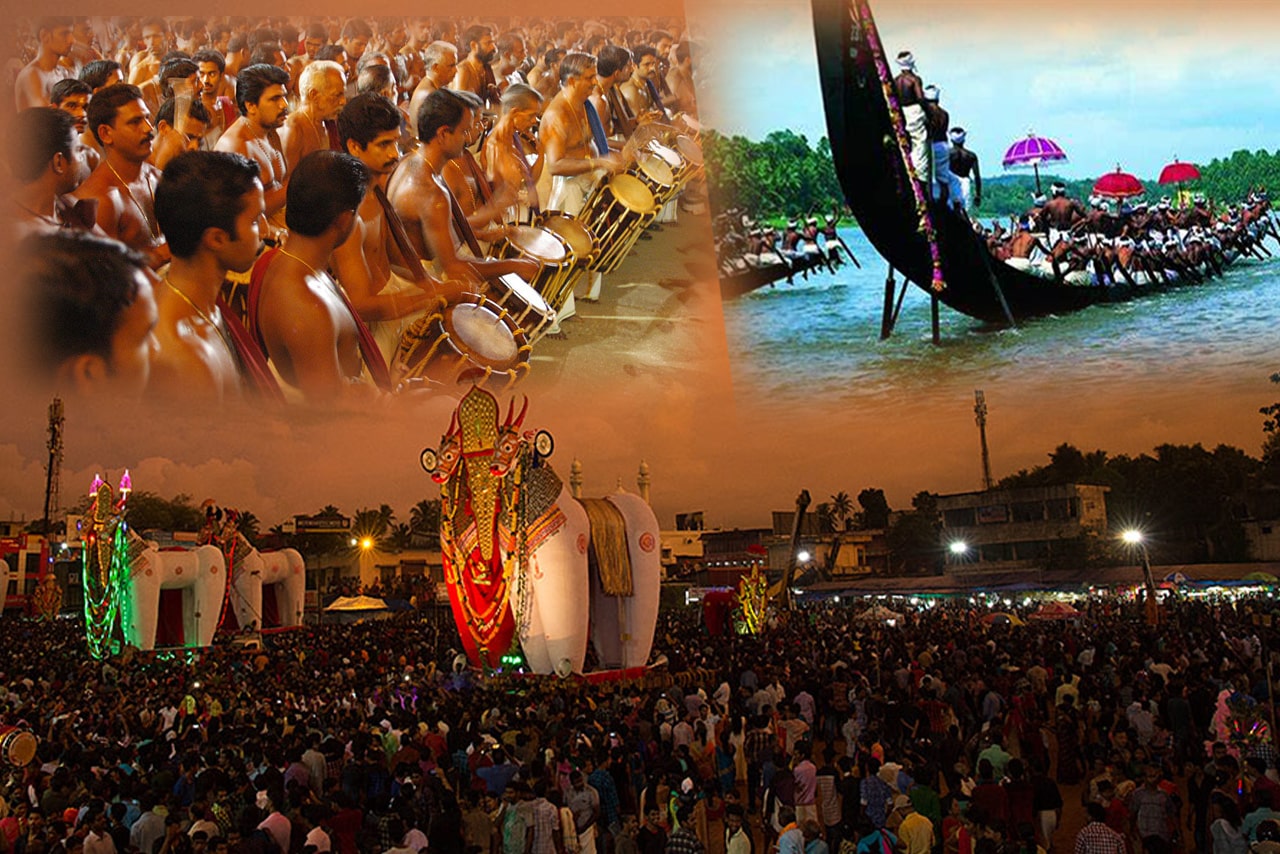
Beyond these major festivals, Kerala celebrates a variety of other religious and cultural events throughout the year. They include festivals associated with various temples, churches, and mosques, showcasing the state's religious harmony. These festivals often involve traditional dances, music performances, processions, and fairs, providing a glimpse into the diverse cultural tapestry of Kerala.
Kerala's festivals are not just occasions for revelry; they are also a time for reflection, community bonding, and reaffirming cultural values. They are a celebration of life in all its forms, a reminder of the importance of tradition, and a testament to the vibrant spirit of the people of Kerala. Experiencing these festivals is an essential part of any visit to Kerala, offering a unique insight into the heart and soul of this "God's Own Country.
Kerala, a land of verdant landscapes and rich cultural heritage, offers a tapestry of experiences that weave together history, tradition, and natural beauty. From the tranquil backwaters and misty mountains to the vibrant art forms and joyous festivals, Kerala captivates the senses and leaves a lasting impression on every visitor. Whether exploring the ancient spice markets of Kochi, witnessing the majestic Kathakali dance, or rejuvenating with Ayurvedic treatments, Kerala invites you to immerse yourself in its unique charm.
The symphony of flavours in its cuisine, the serenity of its beaches, and the warmth of its people create an atmosphere of unparalleled hospitality. Kerala is more than just a destination; it's an invitation to experience "God's Own Country," a place where nature and culture harmoniously blend, offering a journey of discovery and rejuvenation. So, whether you seek adventure, relaxation, or cultural immersion, Kerala promises an unforgettable experience, leaving you with cherished memories and a longing to return to its enchanting embrace.
Kerala Travel Itinerary (6 Days)
Day 1: Arrival in Cochin (Kochi)
-
Arrive at Cochin International Airport.
-
Transfer to your hotel and check-in.
-
Explore Fort Kochi area: visit St. Francis Church, Chinese Fishing Nets, and Dutch Palace.
-
Evening: Enjoy a Kathakali dance performance (traditional Kerala art).
-
Overnight stay in Cochin.
Day 2: Explore Cochin
-
After breakfast, visit Mattancherry Palace (Dutch Palace) and Jewish Synagogue.
-
Explore local markets and cafes in Jew Town.
-
Visit the Kerala Folklore Museum or Hill Palace Museum (optional).
-
Evening: Relax at Marine Drive or take a boat ride in the backwaters of Kochi.
-
Overnight stay in Cochin.
Day 3: Cochin to Periyar (Thekkady)
-
Early morning drive to Periyar (approx 4 hours).
-
Check-in at your hotel/resort near Periyar Wildlife Sanctuary.
-
Afternoon: Enjoy a boat safari on Periyar Lake for wildlife spotting (elephants, deer, birds).
-
Optional: Evening spice plantation visit or cultural show.
-
Overnight stay in Periyar.
Day 4: Periyar to Kumarakom
-
Morning: Nature walk or bamboo rafting in Periyar.
-
After breakfast, drive to Kumarakom (approx 3-4 hours).
-
Check-in at a backwater resort.
-
Relax and enjoy the serene backwaters and resort facilities.
-
Optional: Evening bird watching at Kumarakom Bird Sanctuary.
-
Overnight stay in Kumarakom.
Day 5: Explore Kumarakom
-
After breakfast, enjoy a full-day houseboat cruise on the Vembanad Lake and backwaters.
-
Experience village life, local cuisine on board, and peaceful surroundings.
-
Return to your resort by evening.
-
Overnight stay in Kumarakom.
Day 6: Kumarakom to Cochin and Fly to Delhi
-
After breakfast, drive back to Cochin (approx 1.5 hours).
-
Depending on your flight timing, you can do last-minute shopping or visit any missed spots in Cochin.
-
Fly back to Delhi with beautiful memories of Kerala.
Bonus Tips:
-
Carry comfortable clothes and footwear suitable for humid weather.
-
Keep insect repellent handy for Periyar and backwater areas.
-
Book a houseboat and Kathakali show tickets in advance if possible.
-
Try Kerala cuisine specialities like appam, puttu, and fish curry during your trip.
Top Sightseeing Places in Kerala: Explore the God’s Own Country
Kerala, famously known as “God’s Own Country,” is a vibrant blend of nature, culture, and history. From lush hill stations to tranquil backwaters and pristine beaches, Kerala offers a diverse range of sightseeing experiences that cater to every traveller’s taste. Here’s a detailed guide to the top places you must visit in Kerala.
1. Munnar: The Tea Garden Paradise
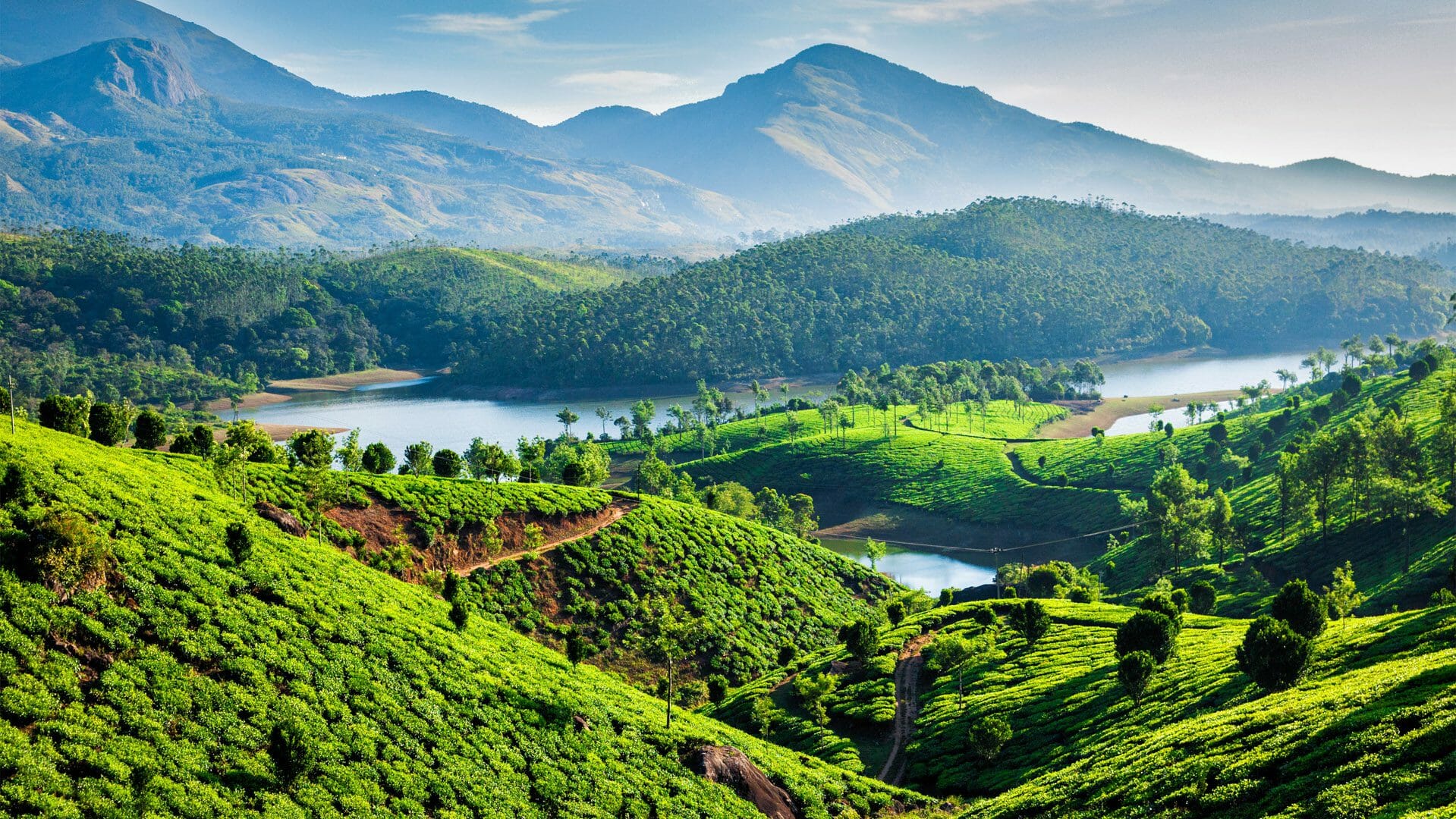
Nestled in the Western Ghats, Munnar is a picturesque hill station known for its sprawling tea plantations and cool climate. The rolling hills covered in emerald green tea gardens create a mesmerising landscape. Visit the Eravikulam National Park to spot the endangered Nilgiri Tahr, a mountain goat species unique to the region. Don’t miss the Tea Museum, which provides fascinating insights into the tea production process, and the serene Mattupetty Dam, perfect for boating and picnics. Munnar’s misty mornings and pleasant evenings make it an ideal getaway from the city heat.
2. Alleppey (Alappuzha): The Backwater Capital
Often called the “Venice of the East,” Alleppey is famous for its intricate network of canals, lagoons, and lakes. The best way to experience Alleppey is aboard a traditional houseboat, cruising gently through the Vembanad Lake. The calm waters, lush paddy fields, and quaint villages along the backwaters offer a glimpse into rural Kerala life. Besides the backwaters, you can relax at Alleppey Beach or visit the nearby Kumarakom Bird Sanctuary, a haven for migratory birds and nature lovers.
3. Kochi (Cochin): Where History Meets Modernity
Kochi is a vibrant city that showcases Kerala’s rich colonial heritage alongside its modern development. Explore Fort Kochi, where Portuguese, Dutch, and British influences are evident in the architecture and culture. The iconic Chinese Fishing Nets are a photographer’s delight, and you can also visit St. Francis Church, India’s oldest European church. The Mattancherry Palace, also known as the Dutch Palace, and the Jewish Synagogue in Jew Town offer fascinating insights into the city’s multicultural past. Kochi’s vibrant cafes, art galleries, and markets add to its charm.
4. Thekkady (Periyar Wildlife Sanctuary): Wildlife and Spice Tours
Thekkady is renowned for the Periyar Wildlife Sanctuary, home to elephants, tigers, deer, and a variety of birds. A boat safari on Periyar Lake is a must-do activity, allowing you to observe wildlife in their natural habitat. The area is also famous for spice plantations where you can learn about the cultivation of pepper, cardamom, and cinnamon. Thekkady’s blend of wildlife and nature makes it an excellent destination for adventure and relaxation alike.
5. Wayanad: Nature’s Wonderland
Wayanad, located in the northern part of Kerala, is a serene district filled with hills, waterfalls, and rich wildlife. Visit the Edakkal Caves, famous for their ancient petroglyphs, and Pookode Lake, a scenic freshwater lake surrounded by forests. The Banasura Sagar Dam, one of the largest earth dams in India, offers boating and panoramic views. Wayanad is perfect for trekking enthusiasts and nature lovers looking for an offbeat experience.
6. Kumarakom: Bird Watching and Backwater Bliss
Kumarakom is a charming backwater village on the banks of Vembanad Lake. It’s famous for the Kumarakom Bird Sanctuary, where you can spot migratory birds like Siberian cranes, egrets, and kingfishers. Besides bird watching, enjoy a houseboat cruise to witness the tranquil beauty of Kerala’s backwaters, complete with lush greenery and traditional villages.
7. Kovalam: Beach Paradise
Kovalam is Kerala’s most popular beach destination, known for its crescent-shaped beaches – Lighthouse Beach, Hawah Beach, and Samudra Beach. The golden sands, gentle waves, and palm-fringed shores make Kovalam ideal for swimming, sunbathing, and water sports like surfing and parasailing. The nearby Vizhinjam Lighthouse offers stunning views of the Arabian Sea.
8. Athirappilly Waterfalls: The Niagara of India
Located near Chalakudy, Athirappilly Waterfalls is the largest waterfall in Kerala and a breathtaking sight. Surrounded by dense forests, the cascading water creates a dramatic landscape often compared to the Niagara Falls. It’s a favourite spot for nature photography and picnics.
From tranquil backwaters to wildlife sanctuaries and cultural hubs, Kerala’s diverse sightseeing options promise a memorable and enriching travel experience. Whether you’re a nature lover, adventure seeker, or history enthusiast, Kerala has something special for everyone.

FAQS about Kerala
-
Where is Kerala located in India?
Kerala is a state on the southwestern coast of India, bordered by the Arabian Sea to the west and the Western Ghats to the east. -
What is Kerala famous for?
Kerala is known for its backwaters, beaches, Ayurveda treatments, spices, lush hill stations, houseboats, and vibrant festivals like Onam. -
Is Kerala a good place for a honeymoon?
Yes, Kerala is one of the top honeymoon destinations in India, with romantic spots like Munnar, Alleppey, Thekkady, and Kovalam. -
How many days are ideal for a Kerala trip?
A 6 to 8-day trip is ideal to explore the major destinations like Munnar, Thekkady, Alleppey/Kumarakom, and Kochi. -
What are Kerala’s major airports?
The main airports are Cochin International Airport (COK), Trivandrum International Airport (TRV), and Calicut International Airport (CCJ). -
Do people speak English in Kerala?
Yes, English is widely spoken and understood, especially in tourist areas, along with Malayalam (the state language). -
What is the currency used in Kerala?
The currency used is the Indian Rupee (INR). ATMS are easily available in cities and towns. -
Is Kerala expensive for tourists?
Kerala offers a range of options for all budgets—from luxury resorts and houseboats to affordable homestays and local restaurants. -
What’s the best time to visit Kerala?
October to March is the best time, as the weather is pleasant. The monsoon (June to September) is ideal for Ayurveda treatments. -
What food should I try in Kerala?
Try Kerala Sadya (a traditional feast), Appam with stew, Malabar Parotta, seafood dishes, and Kerala-style fish curry. -
Can I experience Ayurveda in Kerala?
Yes, Kerala is the birthplace of Ayurveda and offers authentic therapies in certified wellness resorts and Ayurvedic centres. -
Is Kerala safe for solo female travellers?
Kerala is generally safe for solo female travellers. The locals are friendly and helpful, but basic travel precautions should be followed. -
Are houseboats in Kerala worth it?
Absolutely! A houseboat cruise through Kerala’s backwaters in Alleppey or Kumarakom is a unique and peaceful experience. -
What should I pack for a Kerala trip?
Light cotton clothes, sunscreen, comfortable shoes, insect repellent, a raincoat (if visiting during monsoon), and a camera. -
Can I rent a car or bike in Kerala?
Yes, car and bike rentals are available in major cities and tourist spots, but a valid driving license is mandatory.


